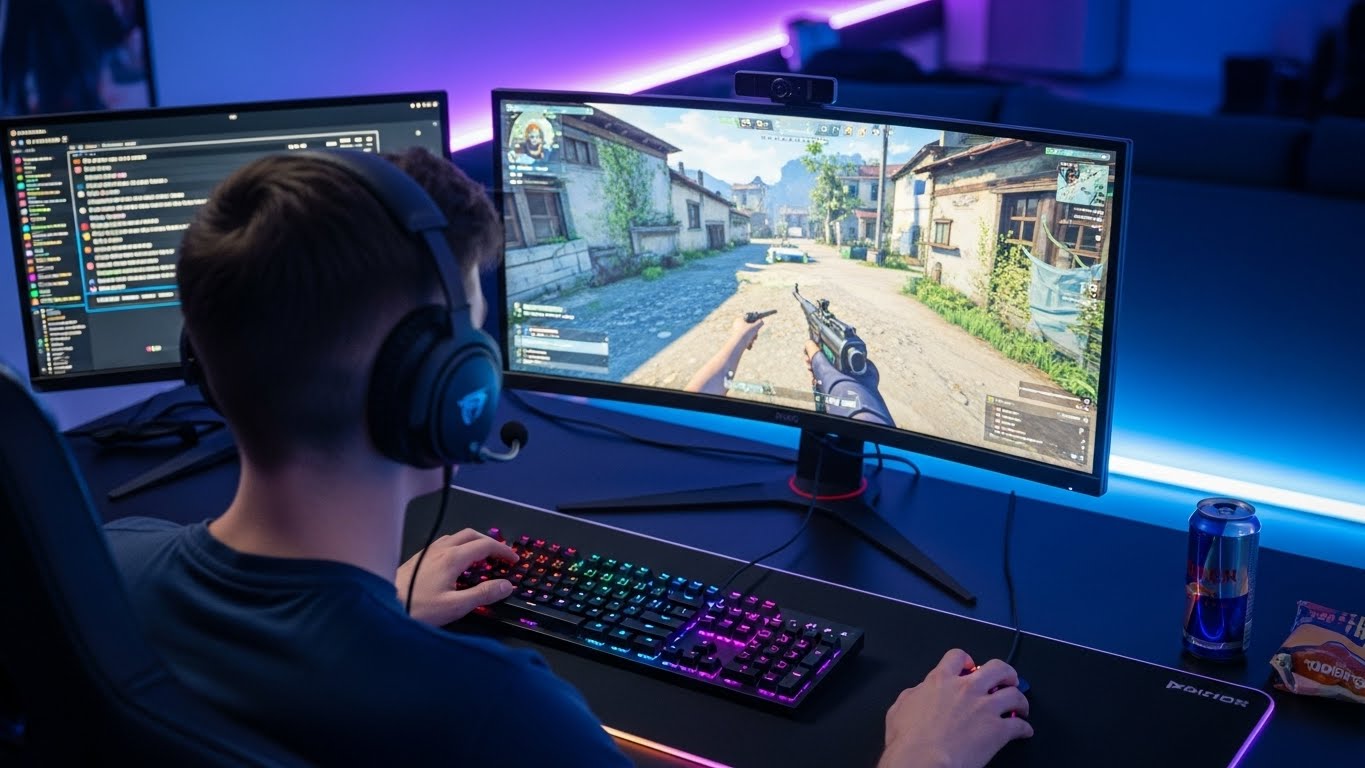
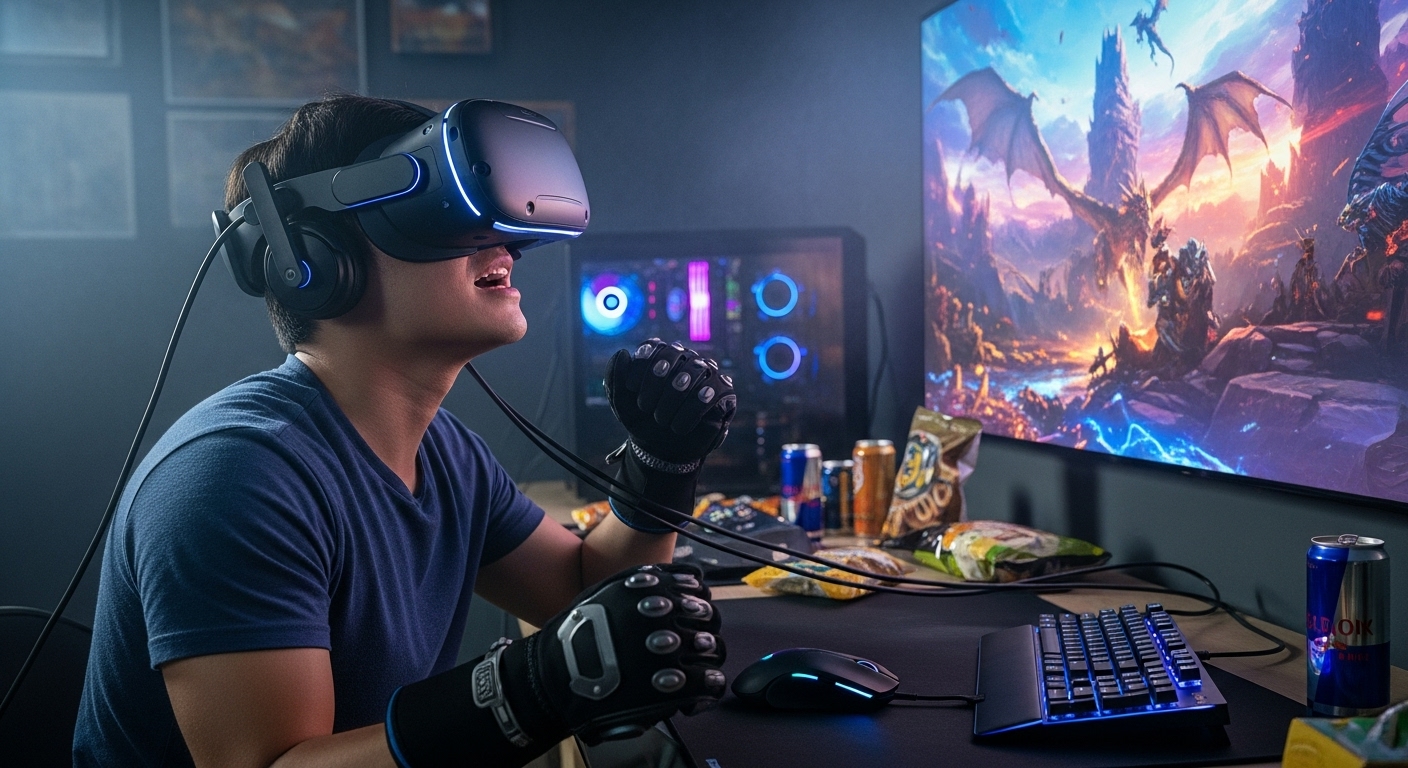
Gaming has evolved tremendously over the last few decades. What started as a niche hobby for a few enthusiasts has now become a massive global industry. The modern gaming landscape features cutting-edge graphics, complex narratives, and immersive worlds. However, the path to this level of advancement was neither short nor easy.
In this blog post, we’ll explore the evolution of gaming, its cultural impact, and what the future holds for this ever-expanding industry.
The Beginnings: Arcade Games and the Birth of Video Games
The history of gaming dates back to the 1950s and 1960s, but it was in the early 1970s that video games started to become more widely recognized. The first widely recognized arcade game was Pong, released in 1972 by Atari. It was a simple ping-pong simulation, but its success proved that there was a market for video games. This marked the beginning of the arcade gaming era.
Arcade games dominated the gaming scene throughout the 1970s and early 1980s. Games like Space Invaders (1978), Asteroids (1979), and Pac-Man (1980) became cultural icons. These games were accessible, fun, and simple, making them popular with people of all ages.
The Home Console Revolution
As the gaming industry grew, so did the technology behind it. In the late 1970s and early 1980s, home consoles became available, allowing people to play video games from the comfort of their homes. The Atari 2600, released in 1977, was the first successful home video game console, offering games like Adventure and Space Invaders. Other companies, including Mattel with their Intellivision and ColecoVision, followed suit.
The 1980s also saw the release of the Nintendo Entertainment System (NES) in 1985. The NES was groundbreaking because it introduced a new level of quality and complexity to home gaming. Games like Super Mario Bros., The Legend of Zelda, and Metroid not only set new standards for gameplay and graphics but also introduced players to expansive, story-driven worlds. The NES paved the way for the growth of the home console market.
The Rise of 3D Graphics and Early PC Gaming
By the early 1990s, 3D graphics began to emerge, revolutionizing the gaming industry. Titles like Doom (1993) and Wolfenstein 3D (1992) brought players into immersive, first-person shooter environments, laying the foundation for modern FPS games. These titles pushed the boundaries of graphics and gameplay, and they also showcased the power of personal computers in gaming. PC gaming began to gain traction, with enthusiasts building custom machines to support the latest titles.
Meanwhile, consoles were not far behind in adopting 3D technology. The Sony PlayStation, released in 1994, was the first major console to fully embrace 3D graphics. With hits like Final Fantasy VII, Gran Turismo, and Metal Gear Solid, the PlayStation helped solidify gaming as a legitimate form of entertainment for all age groups.
The Golden Age of Gaming: The Late 90s and Early 2000s
The late 1990s and early 2000s marked a golden age for gaming. The PlayStation was followed by the Nintendo 64 and Sega Dreamcast, each offering innovative titles and improved hardware. The Legend of Zelda: Ocarina of Time (1998) on the N64, for example, is still considered one of the greatest video games of all time, thanks to its open-world exploration, rich story, and groundbreaking mechanics.
During this period, the popularity of online multiplayer gaming also began to rise. Games like StarCraft (1998), Quake III Arena (1999), and Counter-Strike (2000) allowed players to compete against others online in real-time. The success of these titles ushered in the era of online gaming that continues to dominate today.
The Advent of HD Graphics and the Rise of Online Multiplayer
The mid-2000s saw the advent of high-definition (HD) graphics and the next generation of consoles. The Xbox 360 and PlayStation 3, released in the mid-2000s, introduced gamers to HD visuals and expansive, open-world environments. Games like The Elder Scrolls V: Skyrim (2011), Grand Theft Auto V (2013), and Red Dead Redemption (2010) pushed the limits of what was possible in terms of storytelling and visual fidelity. These games featured massive, immersive worlds, intricate narratives, and improved AI, making them among the most memorable experiences in gaming.
The rise of online gaming also played a pivotal role in shaping the modern gaming industry. With the launch of Xbox Live and PlayStation Network, multiplayer gaming became a central focus of many titles. Halo 3 (2007), Call of Duty: Modern Warfare (2007), and World of Warcraft (2004) helped make online multiplayer a core part of the gaming experience.
The Xbox 360 and PlayStation 3 era also marked a shift in how games were marketed and sold. Digital distribution platforms like Steam, Xbox Live Arcade, and PlayStation Network offered players the ability to download games directly to their consoles and PCs, reducing the need for physical media.
Mobile Gaming and the Rise of Casual Gamers
By the late 2000s and early 2010s, mobile gaming began to rise in prominence. With the widespread adoption of smartphones and tablets, gaming became more accessible than ever before. Casual games like Angry Birds (2009), Candy Crush Saga (2012), and Clash of Clans (2012) attracted a massive audience of non-traditional gamers. These games were designed to be easy to pick up, with simple mechanics and addictive gameplay loops that kept players engaged.
The rise of mobile gaming had a profound impact on the gaming industry. It introduced a new demographic of players who had previously been uninterested in console or PC gaming. It also led to the growth of free-to-play models and microtransactions, which have become commonplace in many games today.
The Future of Gaming: Virtual Reality and Beyond
As we look toward the future of gaming, one of the most exciting developments is virtual reality (VR). VR gaming has the potential to revolutionize the way we experience video games. With the Oculus Rift, HTC Vive, and PlayStation VR, players can now immerse themselves in 3D worlds like never before. These platforms allow gamers to experience games in an entirely new way, using motion tracking and specialized headsets to interact with virtual environments.
The potential for VR to transform not just gaming, but other sectors like education, healthcare, and entertainment, is enormous. Imagine learning in a virtual classroom, or taking part in medical simulations for training. Gaming, however, remains the leading edge of VR development, with titles like Half-Life: Alyx (2020) pushing the boundaries of what’s possible in VR.
In addition to VR, augmented reality (AR) is also gaining traction. Games like Pokémon GO (2016) demonstrated the potential for AR to create immersive experiences that blend the virtual and physical worlds. As AR technology continues to improve, we can expect even more innovative gaming experiences that integrate the real world with virtual elements.
The Social Impact of Gaming: A Cultural Force
Beyond its entertainment value, gaming has become an influential cultural force. From esports tournaments drawing millions of viewers to the creation of online communities and fanbases, gaming has shaped how people interact with each other. Platforms like Twitch and YouTube have turned gamers into influencers, with many streamers building large, dedicated followings.
Gaming has also sparked important conversations about representation, diversity, and inclusivity. In the past, the gaming industry was often criticized for its lack of diverse characters and narratives. However, in recent years, game developers have made significant strides toward creating more inclusive experiences. Games like The Last of Us Part II (2020) have featured diverse characters, LGBTQ+ storylines, and complex social themes, helping to make gaming a more inclusive space for everyone.
Gaming and Mental Health: The Double-Edged Sword
While gaming can offer many benefits, such as improving cognitive abilities, offering a sense of community, and providing an escape from reality, it can also have negative effects. Excessive gaming has been linked to addiction, and some studies have shown that excessive screen time can contribute to mental health issues like depression and anxiety.
It’s important to strike a balance when it comes to gaming. Like any form of entertainment, moderation is key. Developers and communities are also taking steps to address these concerns. Some games now feature time limits or warnings about prolonged play. Additionally, there are initiatives to promote healthy gaming habits and encourage players to take breaks and engage in physical activity.
Conclusion: Gaming as a Constantly Evolving Art Form
In conclusion, the world of gaming is a dynamic, ever-changing landscape. From its humble beginnings in arcades to the rise of mobile gaming and the potential of virtual reality, gaming has continually pushed the boundaries of what’s possible. Today, gaming is more than just a hobby—it’s a global cultural phenomenon that impacts entertainment, technology, and social interaction.
Looking ahead, the future of gaming is incredibly exciting. With advancements in VR, AR, AI, and cloud gaming, we can only imagine what the next decade will bring. Whether you’re a casual gamer or a hardcore enthusiast, one thing is clear: gaming is here to stay, and it will continue to evolve in ways