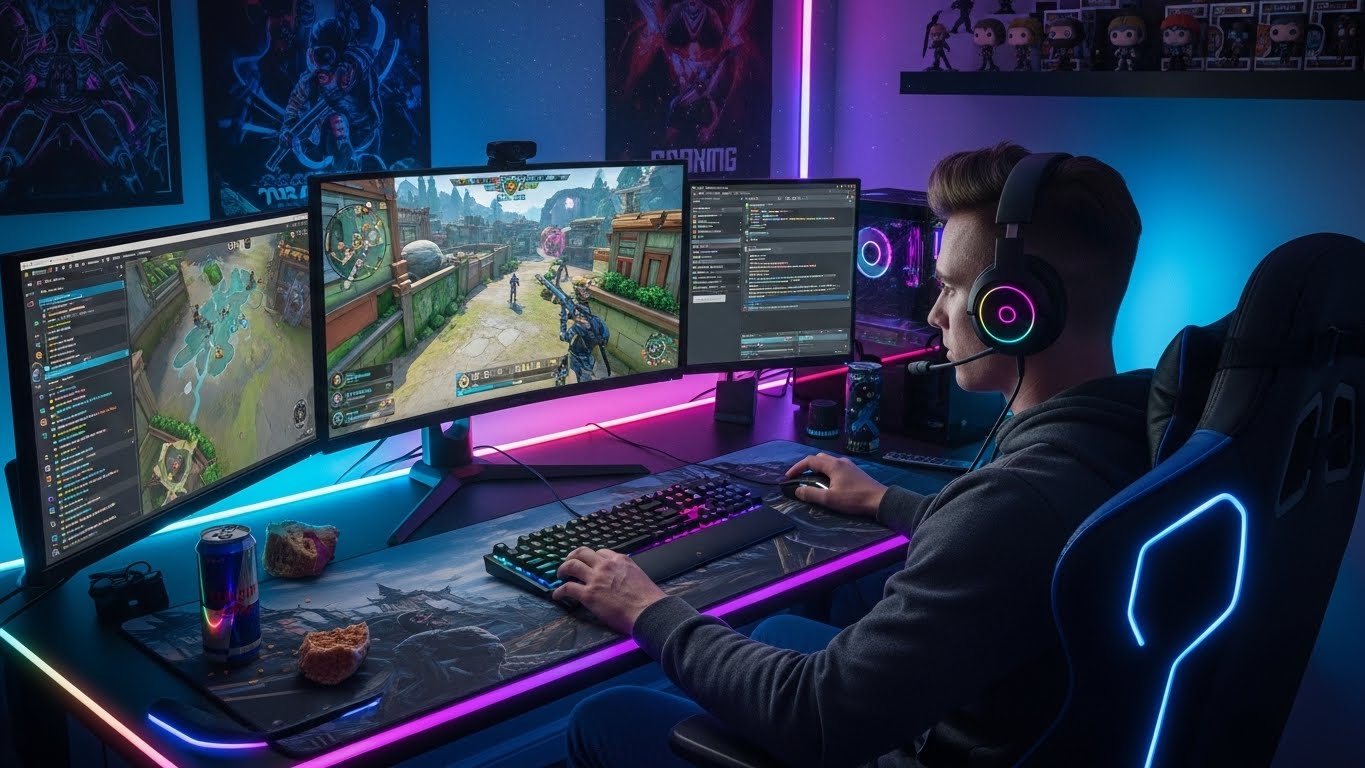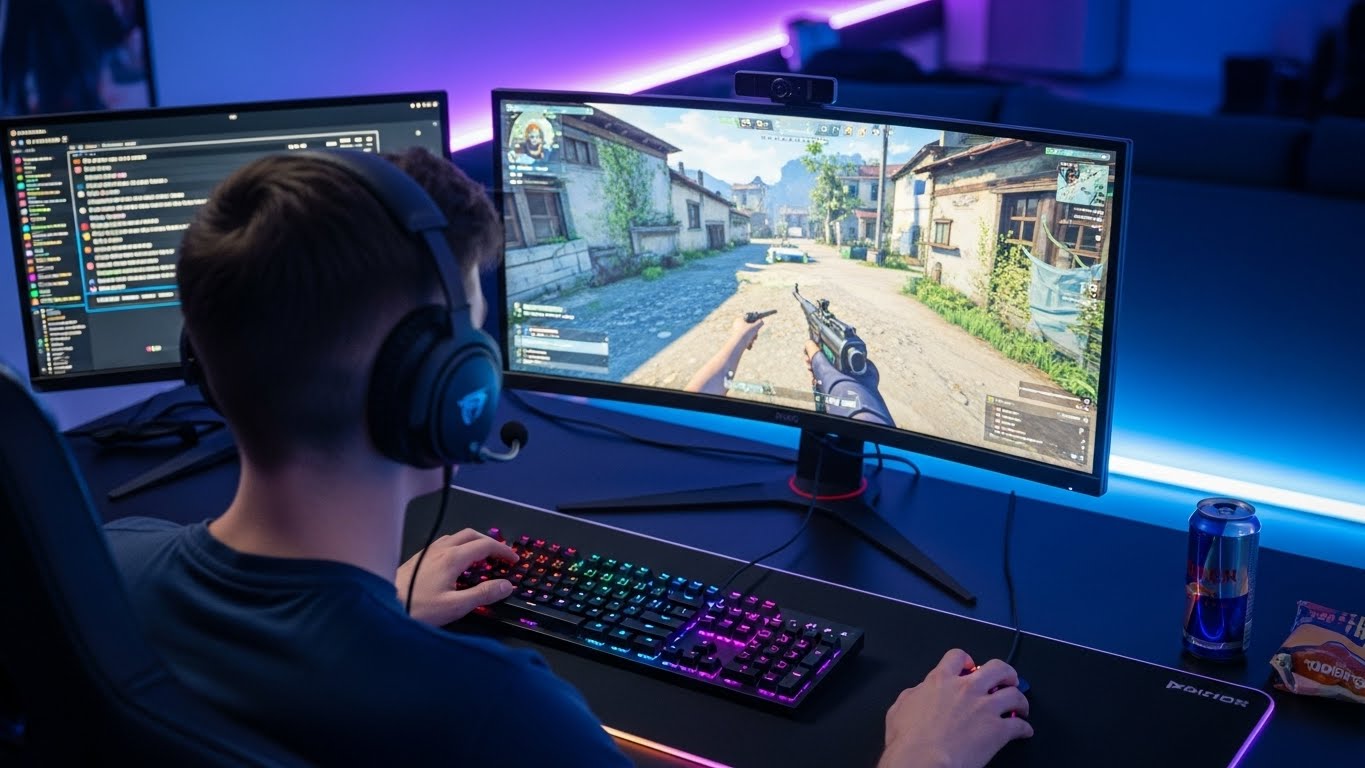

Gaming has transformed dramatically over the past few decades. What once was a niche hobby has grown into a global phenomenon that influences culture, technology, and social interaction. Today, gaming is more than just entertainment; it is a complex ecosystem where storytelling, strategy, creativity, and competition converge. From casual mobile games to massive multiplayer online universes, the gaming landscape has something for everyone, offering unique experiences that connect people across the globe.
The Rise of Modern Gaming
The roots of modern gaming can be traced back to the early 1970s, when arcade games like Pong and Space Invaders captured public imagination. These simple games laid the foundation for interactive entertainment, but they barely scratched the surface of what gaming could become. With technological advancements in personal computing, graphics, and internet connectivity, gaming expanded into home consoles, PC gaming, and eventually mobile devices.
Today, consoles such as the latest PlayStation and Xbox versions deliver cinematic graphics, immersive sound design, and real-time interactive storytelling. Meanwhile, PC gaming has evolved into a hub for competitive eSports, modding communities, and indie game development. The accessibility of smartphones has brought gaming into the pockets of millions, turning casual experiences into global sensations. The modern gamer has more options than ever, allowing personalized gaming experiences tailored to their preferences.
The Psychology Behind Gaming
Gaming is not just about fun; it also has profound psychological impacts. Studies have shown that gaming can enhance cognitive skills, improve problem-solving abilities, and boost hand-eye coordination. Strategy games, puzzle games, and simulations challenge players to think critically and make complex decisions under pressure. Multiplayer games promote teamwork, communication, and social interaction, while role-playing games allow players to explore different perspectives and identities.
Moreover, gaming provides a safe space for stress relief and emotional exploration. Many players find comfort in immersing themselves in fictional worlds, where challenges are predictable and failure can be retried without real-world consequences. This sense of control and achievement can improve mood, foster resilience, and even encourage creative thinking in day-to-day life.
Gaming as a Social Platform
Modern gaming has evolved into a social platform, where communities flourish and friendships are formed. Multiplayer online games connect players across continents, creating a shared experience that transcends language and geography. Social features such as voice chat, guilds, and in-game events provide opportunities for collaboration and social bonding.
Streaming platforms have further amplified this social aspect. Gamers can broadcast their gameplay to millions of viewers, turning individual experiences into collective entertainment. Viewers can interact with streamers, offer advice, or simply enjoy the excitement of live gaming. This dynamic has created new forms of social interaction, blurring the line between playing a game and being part of a broader cultural phenomenon.
The Role of Storytelling in Gaming
Storytelling has become one of the most compelling aspects of modern gaming. Unlike traditional media, games allow players to actively participate in the narrative. Choices made by the player can alter the course of the story, making each playthrough unique. This interactivity creates a deeper emotional connection and a sense of agency that is rarely possible in books or movies.
Games such as open-world role-playing titles immerse players in richly detailed universes, complete with intricate histories, complex characters, and moral dilemmas. Players do not just observe a story—they become part of it. The ability to shape the narrative provides a level of engagement that can be transformative, encouraging empathy, critical thinking, and exploration of human experiences from multiple perspectives.
Competitive Gaming and eSports
The competitive aspect of gaming has skyrocketed in popularity, giving rise to the professional eSports industry. Competitive gaming tournaments now attract millions of viewers worldwide, offering lucrative prizes and sponsorships for top players. Games like League of Legends, Dota 2, and Counter-Strike have become more than hobbies; they are legitimate careers for professional gamers.
eSports has created a new type of celebrity, where skill, strategy, and charisma combine to captivate audiences. Fans watch gameplay for entertainment, inspiration, and education, learning new tactics and techniques from the best in the world. The growth of eSports has also influenced the gaming industry, pushing developers to focus on competitive balance, online infrastructure, and spectator-friendly design.
Gaming Technology: A Leap Beyond Imagination
Technological innovation has always driven gaming forward. From pixelated screens to photorealistic graphics, the evolution of technology has continuously redefined what is possible in gaming. Virtual reality and augmented reality are pushing the boundaries even further, creating immersive experiences that feel tangible. VR games allow players to physically interact with digital worlds, while AR games blend reality and fiction in innovative ways.
Artificial intelligence has also played a significant role in gaming. Advanced AI can create dynamic environments, adapt to player behavior, and generate realistic non-playable characters. Procedural generation techniques enable infinite game worlds, offering endless exploration and replayability. These technological advances are not just improving graphics—they are enhancing storytelling, gameplay, and player engagement in profound ways.
The Impact of Gaming on Culture
Gaming has had a significant impact on modern culture, influencing music, fashion, and even education. Popular games inspire soundtracks, merchandise, fan art, and cosplay communities. Cultural references from games are often incorporated into films, TV shows, and social media trends, showing the pervasive influence of gaming beyond its original medium.
Educational games are another cultural contribution, using interactive experiences to teach subjects ranging from history to mathematics. By combining learning with entertainment, games make knowledge more accessible and engaging. The gamification of learning has shown that interactive experiences can improve retention, motivation, and critical thinking, proving that gaming is more than just recreation—it is a powerful tool for personal growth and cultural enrichment.
Challenges in the Gaming Industry
Despite its many benefits, the gaming industry faces several challenges. One major concern is the issue of addiction. Excessive gaming can interfere with daily responsibilities, mental health, and social life. It is crucial for players and caregivers to recognize healthy boundaries and encourage balanced gaming habits.
Another challenge is representation and inclusivity. Historically, gaming has struggled with diversity, often reinforcing stereotypes or excluding marginalized communities. In recent years, there has been a conscious effort to create more inclusive narratives, characters, and development teams. Representation matters, and games that embrace diversity not only appeal to a broader audience but also enrich the storytelling experience.
Cybersecurity is also a pressing concern. Online games often require personal data, making them targets for hacking and scams. Developers are continually working to protect players and their information, but awareness and vigilance remain essential for safe gaming experiences.
The Future of Gaming
The future of gaming is both exciting and unpredictable. Cloud gaming, for instance, promises to make high-quality games accessible without expensive hardware. This technology could democratize gaming, allowing players from around the world to enjoy experiences previously limited to those with high-end consoles or PCs.
Artificial intelligence and machine learning may further personalize gameplay, adapting experiences to individual preferences in real-time. Imagine a game that evolves based on your play style, emotional state, and decision-making patterns, creating an entirely unique journey for every player.
Social gaming will continue to grow, connecting people in new ways and fostering global communities. As technology, storytelling, and culture converge, gaming is set to become an even more integral part of human experience, shaping the way we play, learn, and interact with one another.
Conclusion: Gaming as a Multidimensional Experience
Gaming has evolved from simple pixelated screens to immersive, interactive universes that entertain, educate, and connect people. It engages the mind, challenges the body, and inspires creativity. It offers social interaction, emotional exploration, and competitive thrills, all while pushing the boundaries of technology and storytelling.
As gaming continues to expand and diversify, it is no longer just a pastime; it is a multidimensional experience with profound cultural, psychological, and technological implications. Whether you are a casual gamer, a competitive eSports player, or someone exploring virtual worlds for the first time, gaming has something to offer—and its future promises even more innovation, excitement, and connection.