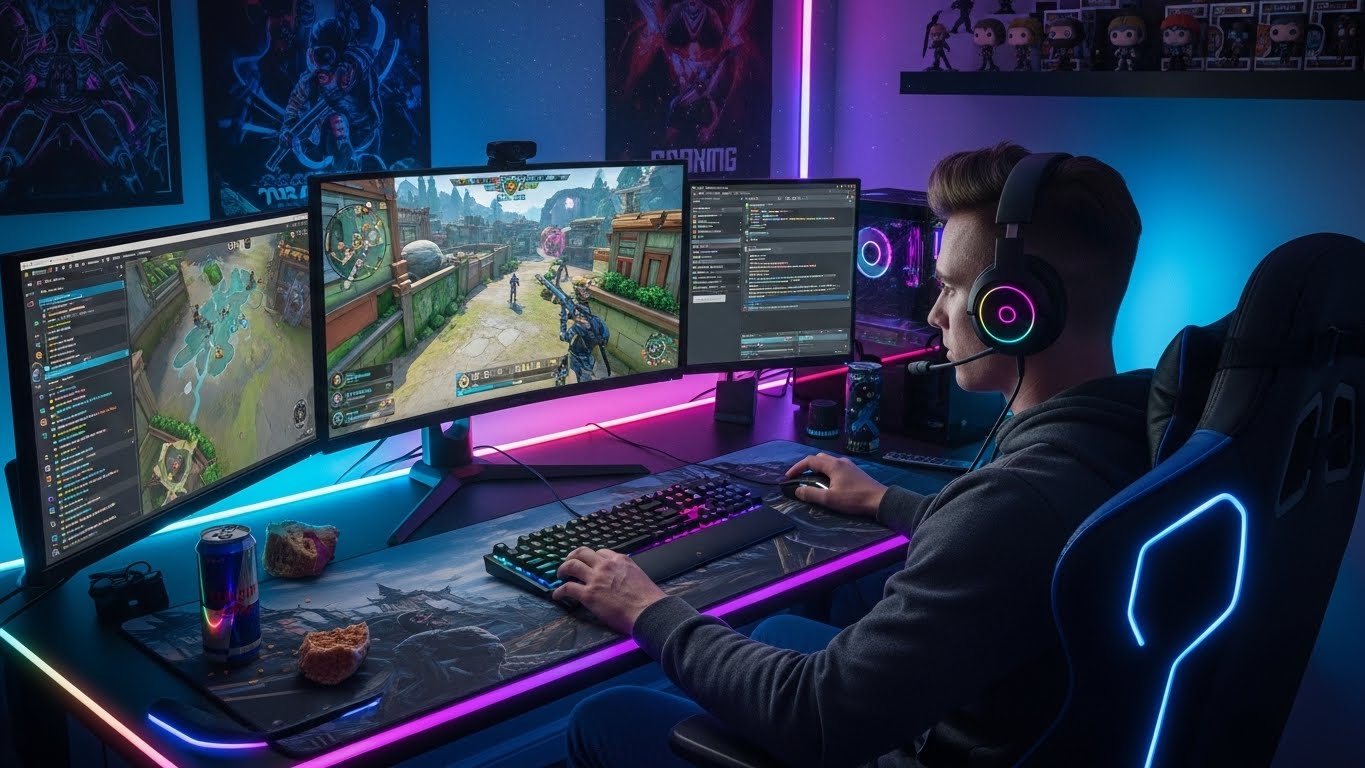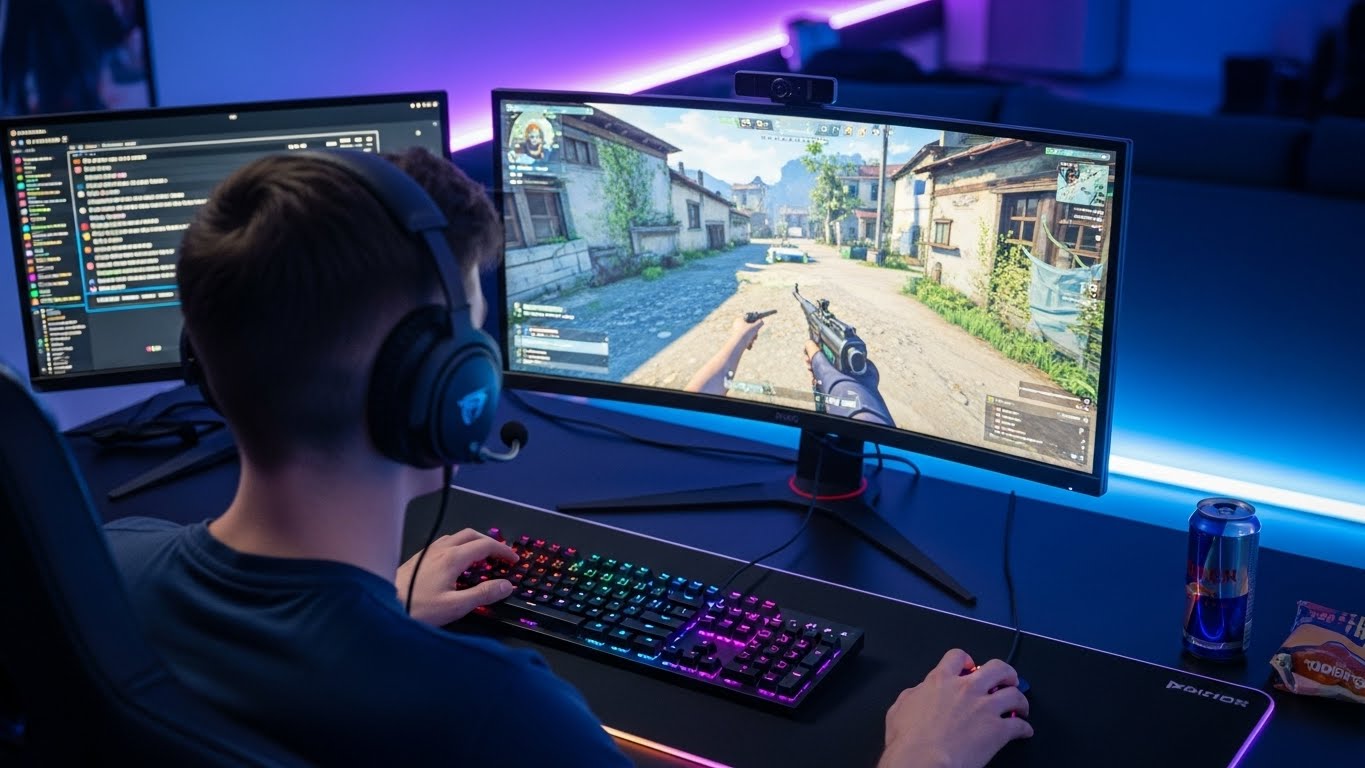

Gaming has evolved from simple pastimes into a global cultural phenomenon that entertains, challenges, and connects millions of people worldwide. What once began as a hobby for a select few has now become an industry that rivals movies and sports in both popularity and revenue. Modern gaming spans across platforms, genres, and communities, offering experiences that range from casual relaxation to highly competitive eSports arenas. This blog explores the growth of gaming, its cultural impact, technological innovations, and why it has become an integral part of modern life.
The Evolution of Gaming
The roots of gaming trace back decades, starting with arcade games and home consoles in the 1970s and 1980s. Early games were simple in design, often featuring basic graphics and limited storytelling. Classics like Pong, Space Invaders, and Pac-Man captured the imagination of players and laid the foundation for interactive entertainment.
With the arrival of personal computers and more advanced consoles in the 1990s, gaming became more complex. Titles with immersive storylines, expansive worlds, and sophisticated mechanics began to emerge. The rise of the internet enabled online multiplayer games, connecting players across countries and continents. Today, gaming encompasses virtual reality, augmented reality, and mobile gaming, making it accessible to a global audience.
The Psychology of Gaming
Gaming is not just entertainment; it engages the brain in unique ways. Cognitive benefits of gaming include improved problem-solving skills, enhanced spatial awareness, and better hand-eye coordination. Strategy games challenge players to plan ahead and adapt to dynamic situations, while puzzle games stimulate critical thinking.
Moreover, gaming provides emotional and psychological benefits. Role-playing games allow players to explore different perspectives, experience narratives in an interactive manner, and express creativity. Many players find comfort in gaming as a form of stress relief or as a safe space for social interaction, personal expression, and emotional exploration.
Gaming as a Social Experience
Modern gaming often extends beyond individual play, fostering social interaction and community building. Multiplayer games connect players globally, allowing them to cooperate, compete, and communicate in real-time. Guilds, clans, and online communities provide platforms for shared experiences, discussions, and collective achievements.
Streaming and content creation have further enhanced the social aspect of gaming. Platforms that allow players to broadcast gameplay have transformed individual experiences into shared entertainment. Viewers interact with streamers and fellow fans, forming communities based on shared passion. This has turned gaming into a social phenomenon that extends far beyond the screen.
The Impact of Storytelling in Gaming
One of the most compelling aspects of gaming is its ability to tell stories interactively. Unlike traditional media such as books or movies, games allow players to shape the narrative. Choices made in-game can lead to multiple outcomes, offering a personalized experience that engages players on a deeper level.
Story-driven games such as open-world role-playing titles create rich, immersive universes filled with complex characters and moral dilemmas. The player’s involvement in the storyline fosters empathy, decision-making, and engagement in ways that passive forms of storytelling often cannot. This interactive narrative potential has positioned gaming as a unique medium for creative expression and emotional impact.
Competitive Gaming and eSports
The rise of competitive gaming has transformed gaming into a professional arena. eSports tournaments now attract millions of viewers, with players achieving celebrity status and securing lucrative sponsorships. Titles like League of Legends, Dota 2, and Counter-Strike have become cultural icons in their own right.
Competitive gaming not only entertains audiences but also inspires players to improve their skills. eSports events combine strategy, teamwork, and reflexes, creating spectacles that rival traditional sports. The professionalization of gaming has expanded career opportunities for players, commentators, analysts, and organizers, demonstrating the industry’s versatility and influence.
Technological Innovations Driving Gaming
Technological advancements have continuously reshaped gaming. Graphics engines now deliver photorealistic visuals, immersive sound design enhances the experience, and AI-driven non-playable characters create dynamic gameplay. Virtual reality allows players to physically immerse themselves in digital worlds, while augmented reality blends the real and virtual in creative ways.
Mobile technology has also democratized gaming, enabling casual play on smartphones and tablets. Cloud gaming eliminates the need for high-end hardware, allowing users to access games instantly. These innovations make gaming more accessible, interactive, and immersive than ever before.
Gaming and Culture
Gaming has a profound cultural impact. Popular games influence fashion, music, art, and social trends. Iconic characters and franchises become cultural touchstones, inspiring fan art, merchandise, and conventions. Gaming also fosters cultural exchange, connecting players worldwide and creating communities that transcend language and geography.
Educational and serious games demonstrate that gaming’s cultural influence extends beyond entertainment. By gamifying learning, players engage with complex topics such as history, science, and language in an interactive and enjoyable manner. Gaming thus serves as a bridge between leisure, education, and cultural engagement.
Challenges in Gaming
Despite its many benefits, gaming faces challenges. Addiction and excessive screen time can affect mental health, relationships, and daily routines. Developers and communities are increasingly addressing these issues through features that encourage responsible play, parental controls, and mental health awareness.
Another challenge is representation. Historically, gaming has struggled with diversity, often reinforcing stereotypes. Recent efforts focus on creating inclusive narratives, diverse characters, and equitable gaming environments. Improving representation not only reflects society more accurately but also enhances storytelling and engagement.
Security and data privacy are additional concerns. Online games often require personal information, making cybersecurity and responsible data handling essential. Developers must continuously innovate to protect users while maintaining a seamless gaming experience.
The Future of Gaming
The future of gaming is full of exciting possibilities. Advances in virtual reality, augmented reality, and artificial intelligence promise even more immersive and personalized experiences. Games may adapt dynamically to a player’s choices, emotional state, and play style, creating unique journeys for each individual.
Social interaction will continue to grow, with virtual worlds, collaborative gameplay, and live streaming creating new forms of connection. Gaming will increasingly integrate with other forms of media, blending interactive storytelling, entertainment, and education in ways previously unimaginable.
Conclusion: Gaming as a Multidimensional Experience
Gaming has evolved far beyond its humble beginnings, transforming into a multidimensional phenomenon that entertains, educates, and connects. It challenges players intellectually, engages them emotionally, and fosters communities globally. From casual mobile games to competitive eSports tournaments, gaming offers experiences tailored to every preference and interest.
The industry’s growth reflects broader societal trends: technological innovation, global connectivity, and cultural exchange. Gaming is no longer a niche hobby; it is a vital part of modern life, influencing culture, technology, and social interaction. As it continues to evolve, gaming will remain an essential platform for creativity, connection, and immersive entertainment, shaping the way people play, learn, and experience the world around them.