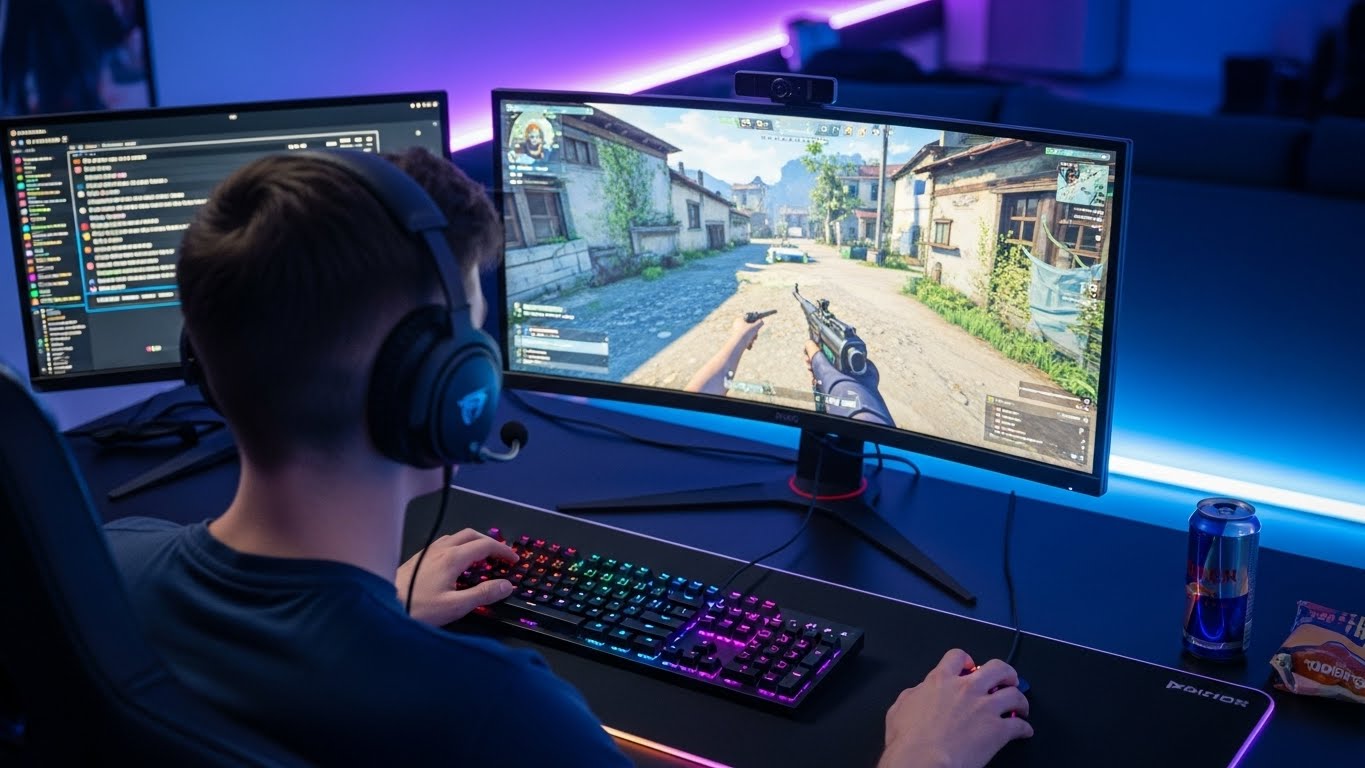

In a world dominated by hyper-realistic graphics, virtual reality, and ever-expanding multiplayer universes, it might be easy to overlook the timeless appeal of classic games. These games, often simple in design yet rich in creativity and challenge, have stood the test of time. They are proof that compelling gameplay, engaging mechanics, and strong storytelling can make a game enjoyable decades after its release.
Whether you grew up playing these titles or are discovering them for the first time, classic games offer a unique sense of nostalgia, creativity, and fun that modern games often struggle to replicate. From board games to video games, these enduring classics continue to entertain players of all ages.
This article explores classic games that are still fun today, the reasons behind their lasting appeal, and why revisiting them can be a rewarding experience for both new players and seasoned veterans.
Why Classic Games Remain Popular
Classic games endure because they focus on the core elements of entertainment: challenge, creativity, strategy, and social interaction. Unlike some modern games, which rely heavily on cutting-edge graphics or monetization strategies, classic games often excel at gameplay and simplicity.
Several factors contribute to the lasting popularity of classic games:
- Timeless Mechanics: Games like chess, Monopoly, and Tetris have rules and mechanics that are easy to learn but hard to master, keeping players engaged.
- Nostalgia Factor: Revisiting games from childhood brings a sense of comfort, familiarity, and joy.
- Accessibility: Many classic games don’t require high-end devices or fast internet connections, making them accessible to everyone.
- Social Interaction: Board games and multiplayer video games promote interaction, cooperation, and competition.
- Replay Value: Classic games often have high replayability due to variable strategies, random elements, or creative possibilities.
These qualities ensure that classic games remain relevant, even as technology evolves.
Classic Board Games That Are Still Fun Today
Board games are some of the most enduring examples of classic gaming. They combine strategy, luck, and social interaction in a way that keeps players coming back for generations.
1. Chess
Chess is a game of pure strategy, requiring foresight, patience, and tactical thinking. Played for centuries, it has evolved into one of the most respected and competitive games in the world. The beauty of chess lies in its simplicity and depth. With only six different types of pieces, the possibilities are virtually endless.
Chess continues to thrive today thanks to online platforms, tournaments, and AI opponents. The game challenges the mind, teaches critical thinking, and provides endless entertainment for beginners and grandmasters alike.
2. Monopoly
Monopoly is a classic board game centered around buying, trading, and managing property. Despite its age, Monopoly remains popular because of its blend of strategy and chance. Players must make smart investments, manage cash flow, and negotiate with opponents to dominate the board.
Modern editions of Monopoly, themed versions, and digital adaptations have kept the game fresh, proving that capitalism, luck, and cunning still make for compelling entertainment.
3. Scrabble
Scrabble is a word-based game that challenges players’ vocabulary, creativity, and strategic thinking. With the rise of digital word games, Scrabble’s competitive and educational aspects continue to appeal to families, friends, and word enthusiasts.
The game is not only entertaining but also intellectually stimulating, encouraging players to think critically about letter placement, word combinations, and score maximization.
4. Clue (Cluedo)
Clue is a murder mystery board game that combines logic, deduction, and suspense. Players gather clues to solve the case, navigating a mansion full of suspects and secrets.
Clue remains popular due to its unique gameplay, narrative elements, and social engagement. Modern adaptations, including digital versions and themed editions, have kept the intrigue alive for new generations.
5. Settlers of Catan
While not as old as other classics, Settlers of Catan has earned a place in the modern board game canon. It is a strategy game centered around resource management, trading, and territorial expansion.
Catan’s enduring appeal comes from its balance of skill, negotiation, and randomness. No two games are ever the same, making it endlessly replayable and engaging for both casual and serious players.
Classic Video Games That Are Still Enjoyable
Video games have grown rapidly over the past few decades, yet certain classics remain fun and relevant. Many of these games have simple mechanics, timeless appeal, and unique challenges.
1. Super Mario Bros.
Super Mario Bros., released in 1985, revolutionized platform gaming. The game follows Mario on a quest to rescue Princess Peach, combining precise jumping mechanics, creative level design, and memorable power-ups.
Even today, Super Mario games are celebrated for their intuitive gameplay, colorful worlds, and endless charm. The franchise has expanded across generations, making Mario a cultural icon while maintaining the fun of the original adventures.
2. Tetris
Tetris, first released in 1984, is a puzzle game that challenges players to arrange falling blocks into complete lines. Its simplicity, addictive nature, and mental challenge have made it one of the most recognized and beloved games in history.
Modern variations and competitive Tetris tournaments continue to attract players. Tetris demonstrates that gameplay depth and replayability matter more than flashy graphics.
3. The Legend of Zelda
The Legend of Zelda series combines exploration, puzzle-solving, and action. Since its debut in 1986, it has captivated players with immersive worlds, memorable characters, and intricate dungeons.
Zelda games offer a sense of adventure and discovery that transcends generations. Their influence can be seen in countless modern action-adventure titles, proving the enduring appeal of classic game design.
4. Pac-Man
Pac-Man, released in 1980, became an instant arcade sensation. Players navigate a maze, collecting pellets while avoiding ghosts. Its simple yet challenging mechanics, colorful visuals, and iconic sound effects have cemented its place in gaming history.
Even today, Pac-Man’s gameplay remains engaging, and modern iterations continue to entertain new players while evoking nostalgia for older generations.
5. Street Fighter II
Street Fighter II, released in 1991, defined competitive fighting games. Players select characters with unique abilities and engage in one-on-one battles, mastering combos, timing, and strategy.
Street Fighter II’s competitive nature has influenced countless fighting games, and its community remains active through tournaments and online play. The game’s balance of skill, reflexes, and strategy keeps it fun even decades later.
Card Games That Have Stood the Test of Time
Card games are another category of classic games with enduring popularity. They are often easy to learn, socially engaging, and highly strategic.
1. Poker
Poker is a game of skill, strategy, and psychology. Popular variants like Texas Hold’em combine betting, bluffing, and probability, creating a dynamic and competitive experience.
Even with online poker platforms, traditional games remain popular in homes, casinos, and clubs worldwide. Poker’s blend of risk, reward, and social interaction makes it timeless.
2. Solitaire
Solitaire is a single-player card game that has remained popular for decades. Its simple objective—arranging cards in order—offers a relaxing yet challenging experience.
Digital versions of Solitaire introduced players to casual gaming, and its appeal continues as a stress-relieving, mentally stimulating pastime.
3. Uno
Uno, introduced in 1971, is a colorful card game that combines luck, strategy, and social interaction. Players aim to match colors and numbers while using special cards to disrupt opponents.
Uno’s simplicity, fast-paced gameplay, and accessibility for all ages have ensured its lasting popularity.
Reasons Classic Games Remain Fun Today
Classic games remain enjoyable because they focus on what truly matters in gaming: interaction, challenge, and creativity.
1. Simplicity and Accessibility
Classic games often have easy-to-learn mechanics that are hard to master. This balance allows new players to jump in quickly while offering long-term depth for experienced players.
2. Replayability
Many classic games are highly replayable because of strategic depth, random elements, or player choice. No two sessions are ever identical, keeping the gameplay fresh and exciting.
3. Social Interaction
Board games, card games, and multiplayer video games foster social engagement. Whether playing in-person or online, these games encourage communication, collaboration, and competition.
4. Nostalgia
For many players, revisiting classic games brings back memories of childhood or earlier gaming experiences. Nostalgia adds an emotional layer that enhances the enjoyment.
5. Timeless Design
Classic games focus on strong gameplay mechanics rather than flashy visuals. Their timeless design ensures that they remain fun even as technology evolves.
How to Introduce Classic Games to a New Generation
Classic games aren’t just for adults who grew up with them. Introducing these games to younger players can provide both entertainment and educational benefits.
- Board Game Nights: Organize family or friend game nights to showcase classics like Monopoly, Chess, or Clue.
- Digital Adaptations: Many classic video games are available on modern consoles, PC, or mobile devices.
- Educational Benefits: Games like Scrabble and Chess can improve vocabulary, critical thinking, and problem-solving skills.
- Casual Competitions: Friendly tournaments or online competitions can make classic games exciting for younger players.
By adapting classic games to modern contexts, their fun and educational value can be preserved for future generations.
Conclusion
Classic games are a testament to the power of creativity, strategy, and human interaction in entertainment. From board games and card games to timeless video games, these titles continue to captivate players across generations.
Their enduring appeal lies in simple yet challenging mechanics, social engagement, replayability, and the nostalgia they evoke. In a constantly evolving gaming landscape, classic games remind us that fun doesn’t always require cutting-edge graphics or complex systems—it often comes from ingenuity, creativity, and timeless gameplay.
Whether you’re revisiting childhood favorites or discovering these games for the first time, classic games offer hours of entertainment, mental stimulation, and social connection. Their timeless charm proves that great games never truly age—they simply become classics.