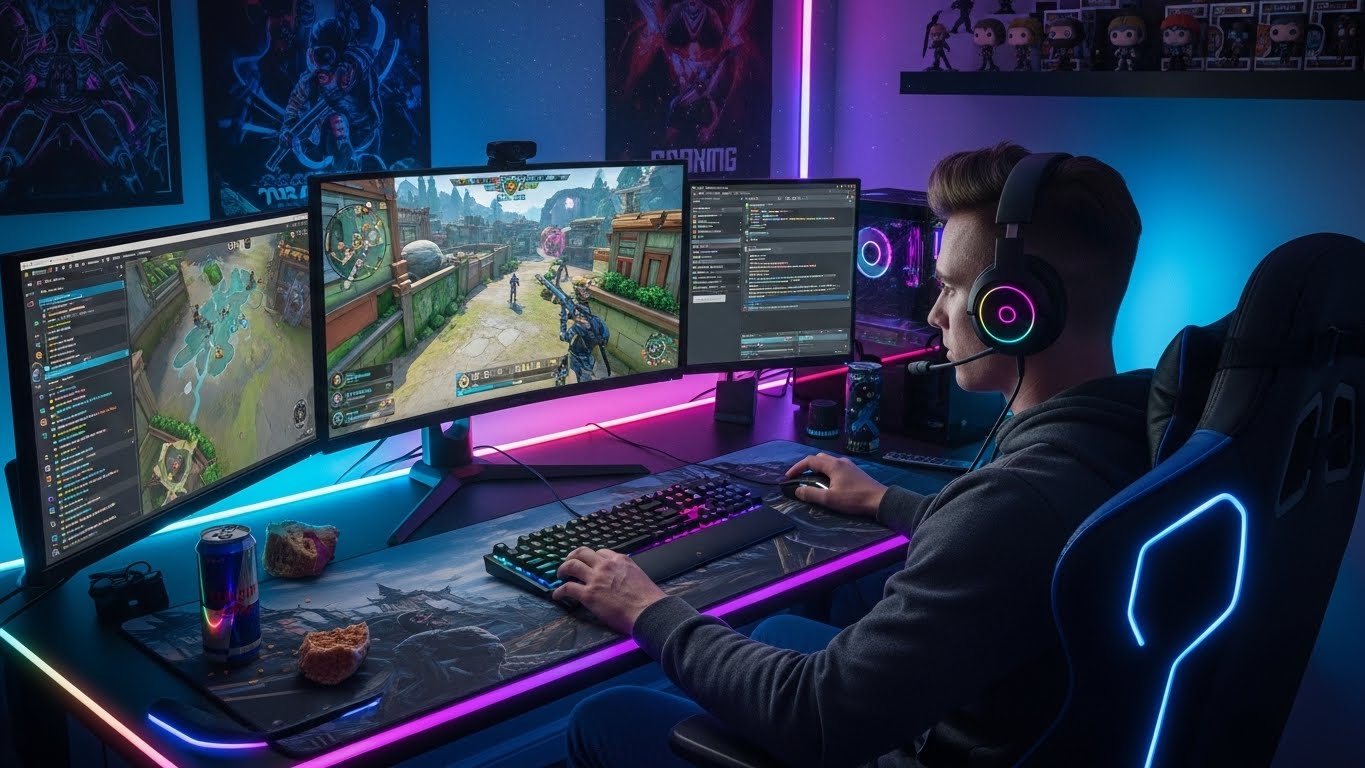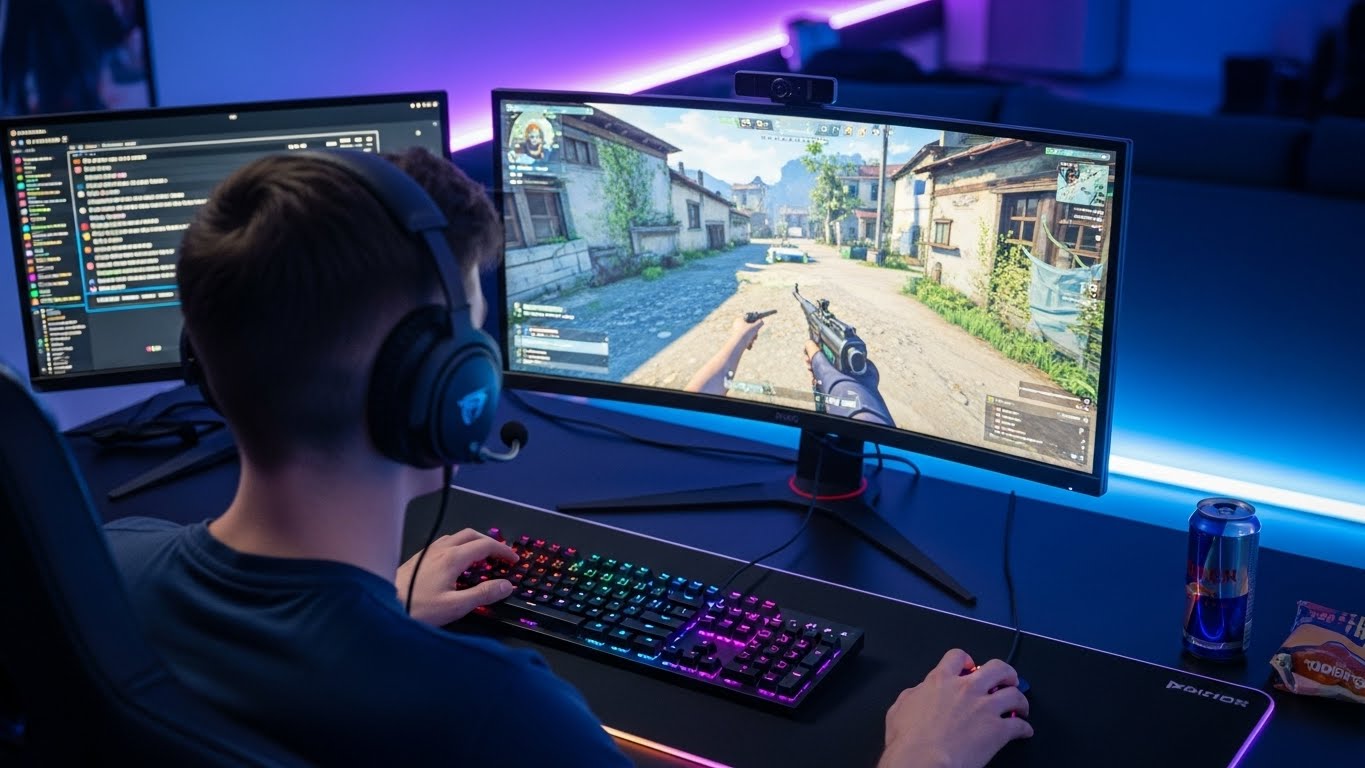

Gaming has come a long way from the days of pixelated screens and simple joysticks. What was once considered a niche hobby has evolved into a multi-billion-dollar industry influencing art, technology, culture, and social interaction. Today, gaming is more than entertainment—it is a powerful medium that can educate, inspire, and even connect people across the globe. In this blog post, we will explore the evolution of gaming, its unique experiences, and its broader impact on society.
The Origins of Gaming: From Arcades to Home Consoles
The story of gaming begins in the 1970s, a time when arcade machines and home consoles were first introduced. Titles like Pong, Space Invaders, and Pac-Man became cultural phenomena, offering players a new form of interactive entertainment. These early games were simple in design but addictive in gameplay, laying the foundation for the industry we know today.
Home consoles such as the Atari 2600 and Nintendo Entertainment System brought gaming into living rooms, making it accessible to a wider audience. The sense of achievement from high scores and progression sparked early competition and community building. These beginnings highlight the importance of innovation and creativity, which continue to drive gaming forward today.
Gaming as Storytelling: More Than Just Play
As technology advanced, gaming began to evolve beyond simple mechanics and embraced storytelling. In the 1990s, titles like Final Fantasy, The Legend of Zelda, and Metal Gear Solid demonstrated that video games could convey complex narratives and evoke emotional engagement. Players were no longer just participating in challenges—they were experiencing stories and building connections with characters.
Modern games have expanded this further. Titles like The Last of Us and Red Dead Redemption immerse players in rich, cinematic worlds. Through dialogue, choice, and exploration, players feel invested in the outcomes, blurring the line between traditional storytelling and interactive media. Games have become a unique art form, capable of eliciting profound emotional responses.
Innovative Gameplay: Redefining How We Play
Innovation in gameplay is a hallmark of modern gaming. Developers constantly experiment with mechanics to provide fresh and challenging experiences. Some games defy traditional genres entirely, offering entirely new ways to interact with virtual worlds.
Portal, for example, introduced a physics-based puzzle system that required players to think spatially and creatively. Indie titles like Limbo and Inside used minimalist design and environmental storytelling to create haunting, memorable experiences. These innovations prove that games are not just about graphics or complexity—they are about creativity and how ideas are executed.
Social Gaming: Building Communities and Connections
Modern gaming is as much about social interaction as it is about play. Multiplayer games, online communities, and live-streaming platforms have transformed gaming into a shared experience. Games like Fortnite, Among Us, and Minecraft enable collaboration, competition, and communication, connecting players from all corners of the world.
These social dimensions have inspired creativity. Players can build intricate worlds, develop strategies, and share content with communities. Gaming has become a participatory activity, where players contribute to the culture and evolution of the games themselves. This social aspect highlights the transformative power of gaming to foster connection, collaboration, and even leadership skills.
Games as Art: Emotional and Aesthetic Experiences
The artistic potential of games is increasingly recognized by both critics and players. Games like Journey, Gris, and Flower prioritize visual storytelling, music, and atmosphere to evoke emotions and create immersive experiences. Unlike traditional art forms, games allow players to interact with the narrative, creating a sense of agency and personal connection.
Games can also explore complex themes and societal issues. Titles like Life is Strange address identity, mental health, and choice, while historical games immerse players in real-world events. By combining interactivity with artistry, games provide experiences that are both entertaining and thought-provoking, demonstrating their potential as a medium of expression and reflection.
Technology and Gaming: Expanding Possibilities
Technological advancements have revolutionized gaming, enabling more realistic and immersive experiences. High-definition graphics, advanced physics engines, and realistic audio create worlds that feel alive and dynamic. Players can explore vast landscapes, interact with intricate systems, and experience stories in unprecedented ways.
Virtual reality and augmented reality are pushing these boundaries even further. VR games place players directly into interactive worlds, while AR games merge digital and physical environments. These technologies enhance immersion, challenge conventional gameplay, and provide experiences that are impossible in traditional formats. The future of gaming promises even more innovation as technology continues to evolve.
Mobile Gaming: Accessibility and Innovation
Mobile gaming has made interactive entertainment accessible to billions of people worldwide. Smartphones allow players to engage with games anywhere and anytime, from casual puzzle games to complex strategy titles. Games like Clash Royale, Candy Crush, and PUBG Mobile demonstrate that mobile platforms can offer competitive, creative, and immersive experiences.
Accessibility extends beyond devices. Modern games increasingly incorporate features that accommodate players with disabilities. Customizable controls, visual aids, and alternative input options ensure that gaming is inclusive and welcoming to diverse audiences. This focus on accessibility expands the reach of gaming and strengthens its role as a universal medium.
Gaming and Personal Growth
Beyond entertainment, gaming can contribute to personal growth. Many games improve cognitive skills, problem-solving abilities, and strategic thinking. Multiplayer games encourage teamwork, communication, and leadership, while creative games allow players to design, build, and experiment.
Certain titles provide mental health benefits by offering relaxation and stress relief. Games like Stardew Valley, Animal Crossing, and Journey offer calming environments where players can unwind, reflect, and focus on personal goals. These experiences illustrate that gaming can be therapeutic, fostering mindfulness and emotional resilience in ways few other media can achieve.
The Future of Gaming: Endless Possibilities
The future of gaming is full of exciting possibilities. Cloud gaming allows players to access high-quality titles without expensive hardware, while artificial intelligence enables dynamic, personalized gameplay experiences. Procedural generation ensures that game worlds can be vast, unpredictable, and endlessly explorable.
Emerging technologies like haptic feedback, brain-computer interfaces, and advanced AI-driven storytelling are set to redefine immersion. Players will not just participate in games—they will influence worlds, narratives, and outcomes in ways previously unimaginable. The line between reality and virtual experiences will continue to blur, making gaming a transformative medium for entertainment, education, and social interaction.
The Cultural Impact of Gaming
Gaming is no longer a solitary activity or niche hobby—it is a cultural force. It influences art, music, literature, and even education. Game mechanics, storytelling techniques, and virtual worlds inspire creativity across multiple disciplines. Gaming conventions, esports tournaments, and streaming communities have created global platforms where players, developers, and fans come together.
Moreover, gaming reflects societal values and challenges. Through interactive experiences, players confront moral dilemmas, explore diverse perspectives, and engage with historical and contemporary issues. The cultural significance of gaming is vast, shaping not only entertainment but also how we communicate, learn, and think about the world around us.
Conclusion: Gaming as a Transformative Medium
Gaming has grown far beyond its origins as simple entertainment. It is a medium that combines technology, art, storytelling, social interaction, and personal growth. From the earliest arcades to modern virtual reality, games continue to evolve, offering experiences that challenge, inspire, and connect players.
The industry’s willingness to innovate has led to games that break traditional boundaries, explore emotional depth, and redefine the player’s role. Whether through immersive storytelling, creative world-building, or social interaction, games have proven their ability to influence culture and society in meaningful ways.
As gaming continues to advance, it will remain a powerful medium for creativity, connection, and exploration. It invites players to step beyond the screen, immerse themselves in new worlds, and experience stories in ways that no other medium can provide. Gaming is more than play—it is a transformative journey that continues to shape our culture, technology, and imagination.