Introduction: The Growing Influence of Gaming
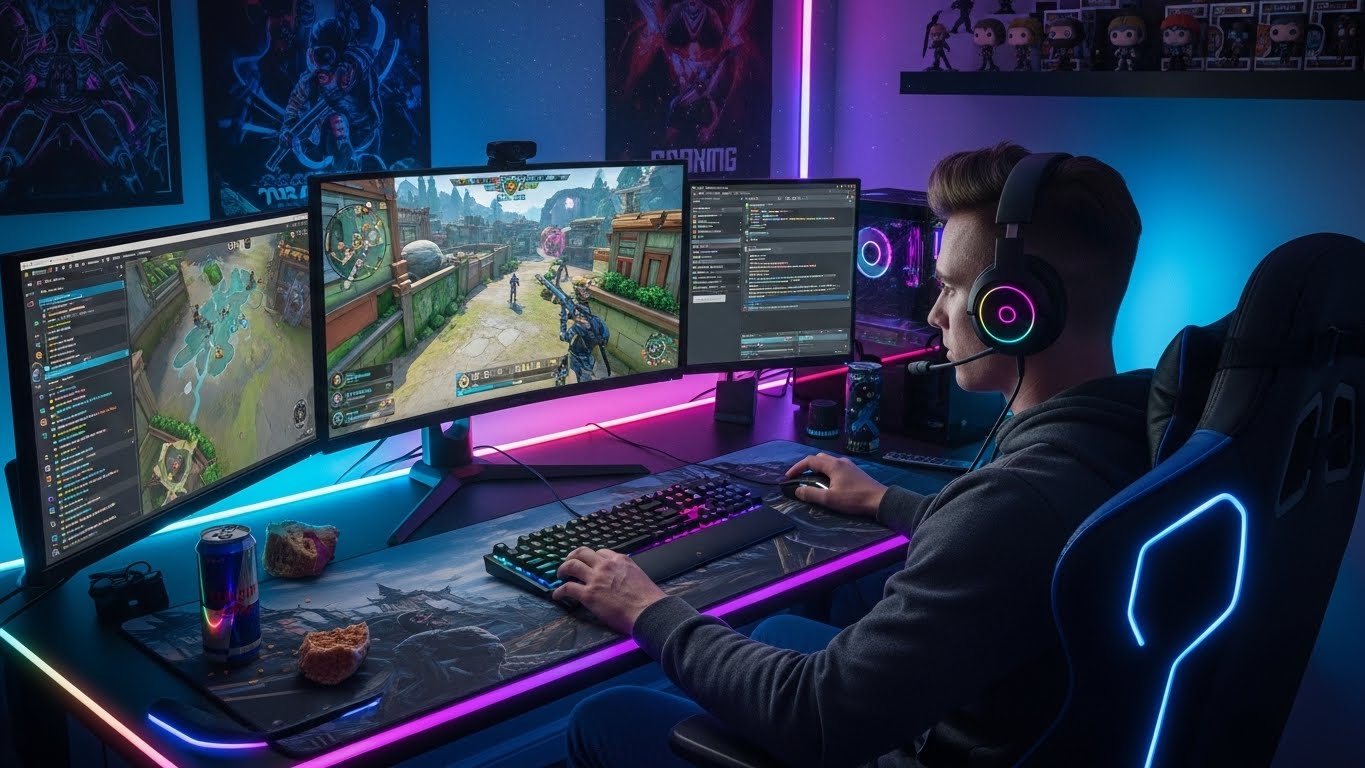
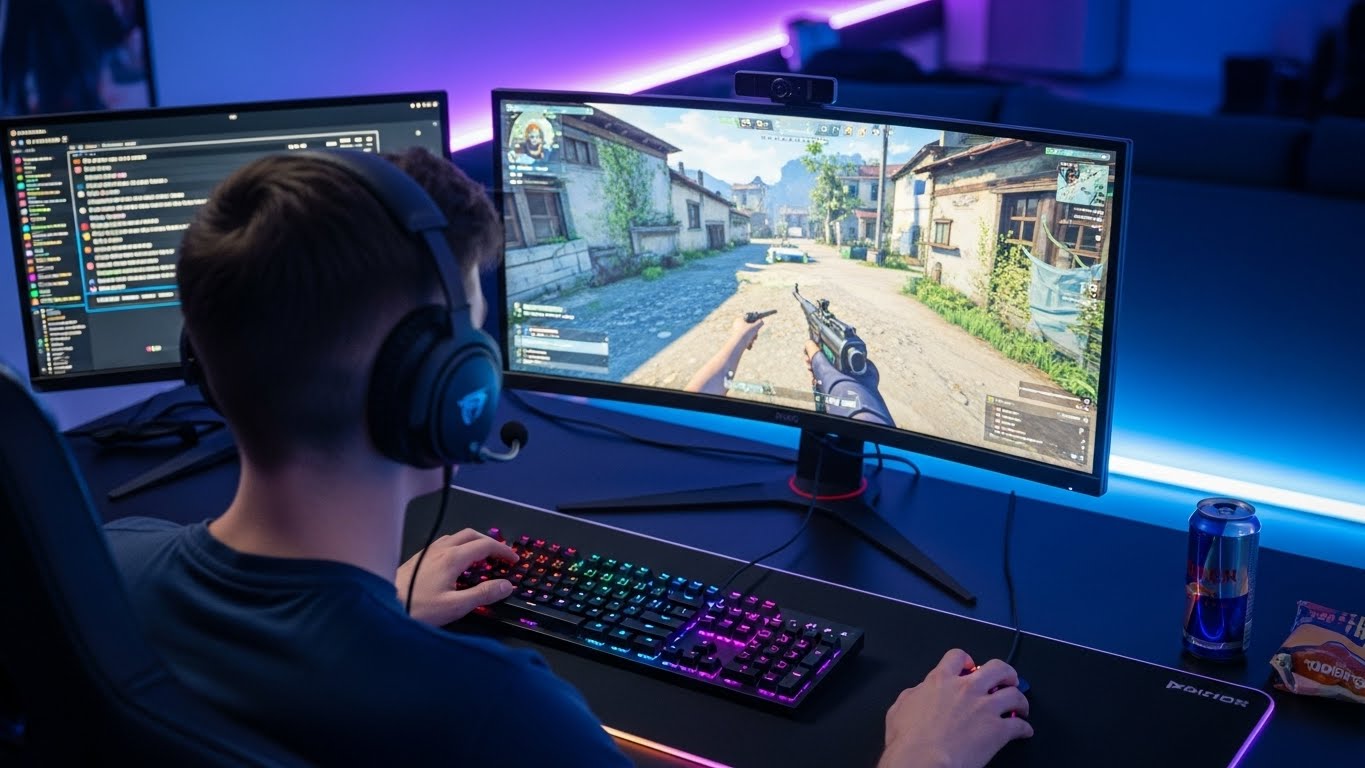
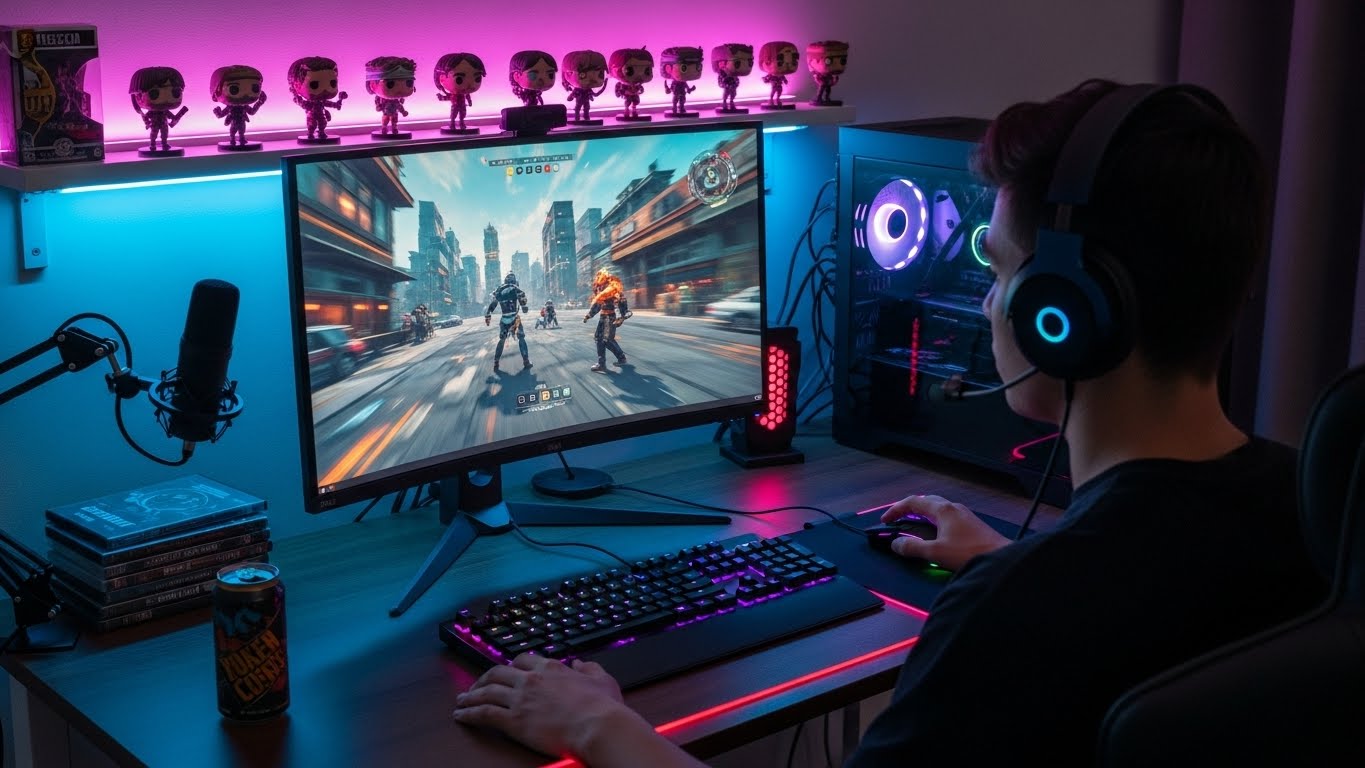
Gaming has come a long way from its humble beginnings as a pastime enjoyed on arcade machines and early home consoles. Today, it has become a multi-billion-dollar industry that influences culture, technology, and the way we connect with one another. What was once considered a hobby for children and teenagers has now grown into a medium that appeals to people of all ages. Modern gaming offers immersive experiences, innovative storytelling, and a global community where players can learn, compete, and create. This blog explores the different dimensions of gaming, from its cultural impact to its role in education, creativity, and mental wellness.
The Evolution of Gaming
The history of gaming is a testament to human ingenuity and technological advancement. In the 1970s and 1980s, video games were simple and focused on entertainment alone, offering players challenges like shooting targets, jumping obstacles, or navigating mazes. The 1990s and early 2000s brought console advancements, better graphics, and the birth of multiplayer online games, allowing players to connect and compete with others around the world.
Today, gaming encompasses not only consoles and PCs but also mobile devices, virtual reality headsets, and cloud-based platforms. Games now feature realistic graphics, complex storylines, and intricate gameplay mechanics. The evolution of gaming is also marked by a shift from passive entertainment to active participation, where players shape their own experiences and narratives within virtual worlds.
Storytelling and Immersion
One of the most compelling aspects of modern gaming is storytelling. Unlike movies or books, games place players directly into the narrative, giving them control over their choices and outcomes. Role-playing games, adventure games, and open-world simulations allow players to explore vast worlds, interact with characters, and make decisions that influence the course of the story.
This interactive storytelling enhances emotional engagement. Players experience joy, fear, sadness, and triumph, often creating memories as vivid as those from real-life experiences. Developers use techniques such as branching narratives, moral dilemmas, and hidden storylines to make players feel immersed and responsible for the outcome of the game. Storytelling in gaming is no longer just about completing objectives; it is about creating an emotional journey that players can live through.
Gaming as a Social Platform
Gaming today is as much about community as it is about fun. Online multiplayer games, cooperative challenges, and competitive matches create opportunities for players to interact and form lasting friendships. Platforms allow players to communicate through voice chat, text, and in-game gestures, building social bonds across continents.
The social aspect of gaming is particularly significant for younger players and those who might struggle with social interaction in the real world. It provides a safe space to meet people with similar interests, collaborate in teams, and even participate in events or competitions. Gaming communities have become vibrant hubs where people share experiences, exchange strategies, and support one another.
The Rise of Competitive Gaming
Esports, or competitive gaming, has emerged as one of the most visible and rapidly growing segments of the gaming industry. Professional players now train rigorously, strategize with teams, and compete in international tournaments that draw massive audiences. Esports has legitimized gaming as a professional pursuit, offering players career opportunities similar to traditional sports.
Competitive gaming emphasizes skills such as teamwork, quick decision-making, hand-eye coordination, and adaptability. Watching high-level gameplay can also be educational, helping aspiring players learn new strategies and techniques. The rise of esports demonstrates that gaming is not just entertainment; it is a discipline that requires dedication, skill, and mental resilience.
Creativity and Personal Expression
Gaming offers endless avenues for creativity. Sandbox and open-world games allow players to design cities, build elaborate structures, customize characters, and create unique narratives. These virtual worlds act as blank canvases for personal expression, encouraging players to experiment with design, aesthetics, and problem-solving.
Beyond in-game creativity, gaming inspires real-world artistic pursuits. Many players are motivated to write stories, create art, compose music, or even design their own games after being inspired by what they see in their favorite titles. Gaming empowers players to be creators, not just consumers, fostering imagination and innovation in ways that traditional entertainment often cannot.
Cognitive Benefits of Gaming
Games are not just entertaining; they also stimulate the mind. Strategy games, puzzles, and simulation games challenge players to think critically, solve problems, and make decisions under pressure. These skills can translate into real-life benefits, enhancing memory, focus, and analytical thinking.
Simulation-based games provide experiential learning. Players can experiment with scenarios such as managing a virtual city, running a business, or piloting a spacecraft. Such experiences help develop planning, resource management, and critical thinking skills. Gaming can also enhance adaptability, as players are constantly required to react to dynamic environments and unexpected challenges.
Gaming and Mental Wellbeing
Gaming has been shown to have positive effects on mental health when practiced responsibly. Immersive games provide an escape from everyday stress and offer players a sense of control over their environment. Achieving in-game goals can create feelings of accomplishment, boosting confidence and motivation.
Multiplayer and cooperative games also foster social connections, reducing feelings of isolation and loneliness. Many people find gaming to be a healthy outlet for relaxation and emotional regulation. While moderation is important, gaming can be a valuable tool for mental wellness, offering balance and enjoyment in a busy world.
Cultural Impact of Gaming
Gaming has become an influential part of modern culture. Video games inspire music, fashion, art, and storytelling across other media. Iconic characters, narratives, and aesthetics from games often become cultural symbols recognized worldwide.
The influence of gaming extends beyond entertainment. It shapes technological innovation, storytelling techniques, and even education. Cultural events, conventions, and tournaments celebrate gaming as an art form, emphasizing its significance as a medium for creative expression and community engagement.
Technological Innovations in Gaming
Gaming has always driven technological progress. From advancements in graphics and artificial intelligence to virtual and augmented reality, gaming often leads the way in creating immersive experiences. VR and AR technologies are transforming how players interact with digital worlds, making experiences more realistic and engaging than ever before.
Cloud gaming and streaming technologies are making games accessible to more people, eliminating the need for high-end hardware. Additionally, adaptive and accessible game design ensures that gaming can be enjoyed by people with different abilities, making the medium inclusive and widely appealing.
The Future of Gaming
The future of gaming is full of possibilities. With continued advancements in AI, VR, AR, and immersive technologies, games will become even more interactive and personalized. Dynamic storytelling, realistic worlds, and responsive characters will offer players experiences that are tailored to their preferences and choices.
Moreover, the line between gaming, learning, and creative expression will continue to blur. Games will increasingly serve as platforms for education, personal development, and artistic creation. Accessibility improvements will ensure that gaming remains an inclusive space where people of all backgrounds can participate, connect, and thrive.
Conclusion: Gaming as a Force for Creativity, Connection, and Growth
Gaming is no longer simply a hobby; it is a medium that connects people, fosters creativity, and provides opportunities for personal growth. It offers immersive storytelling, social interaction, mental stimulation, and creative outlets that reach far beyond traditional entertainment. Whether through competitive esports, cooperative online experiences, or personal exploration in sandbox worlds, gaming has become a powerful and multifaceted cultural force.
As technology evolves and games become more interactive and inclusive, the impact of gaming on society will only grow. It is a space where imagination and reality intersect, offering endless possibilities for exploration, learning, and human connection. Gaming is more than just a game—it is a reflection of our creativity, curiosity, and the universal desire to explore new worlds.