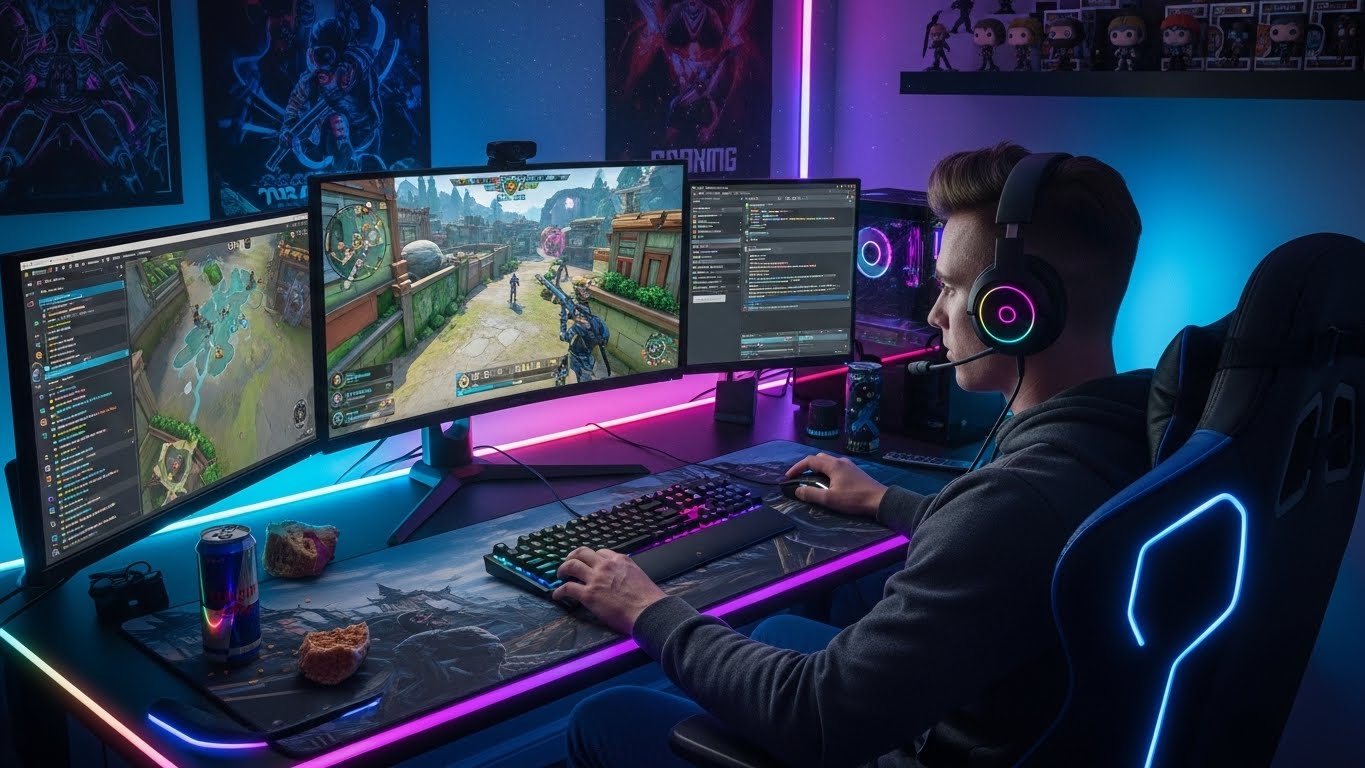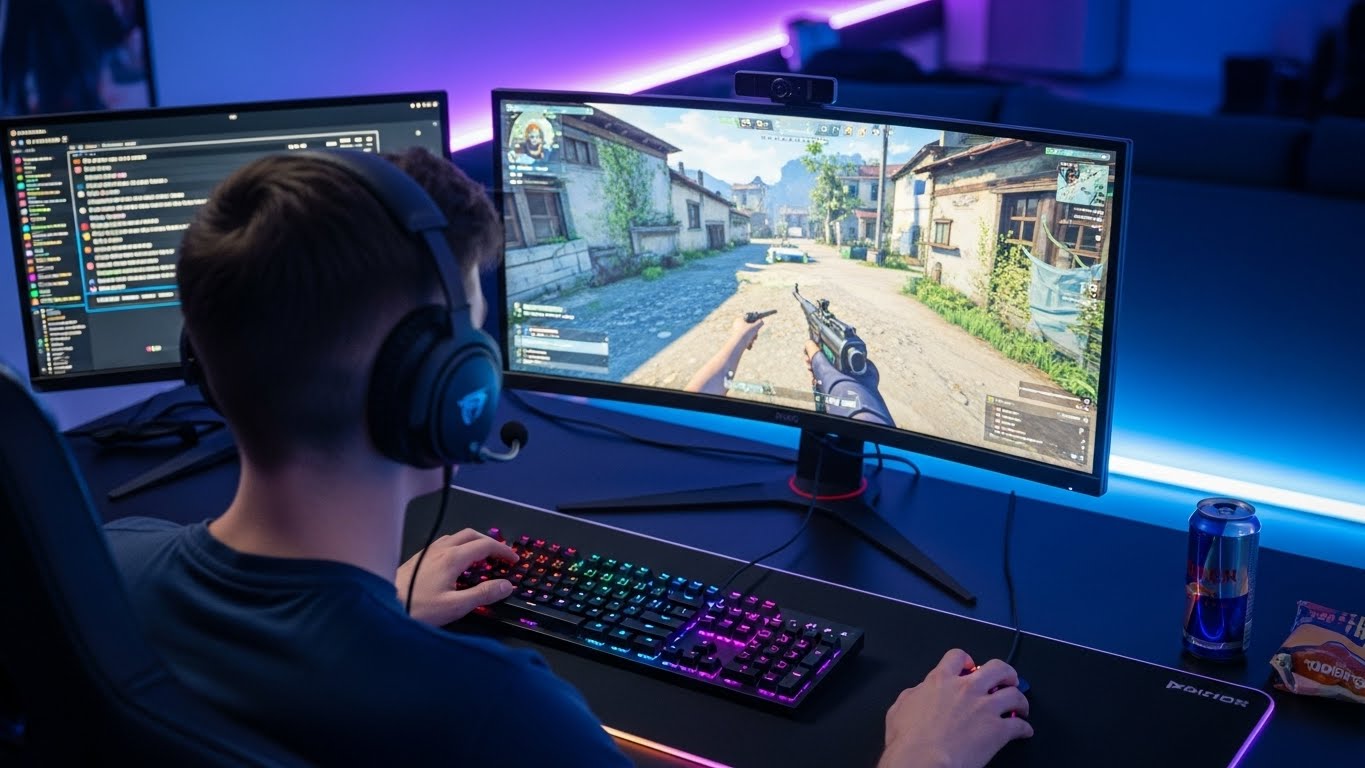

Gaming has long been a cultural phenomenon that has captured the attention of millions worldwide. From the humble beginnings of pixelated arcade games to the sprawling, lifelike worlds of today’s virtual reality, gaming has evolved into an incredibly complex and immersive form of entertainment. This blog will explore the different facets of the gaming world, focusing on how technology, storytelling, and community have shaped the industry. It will also reflect on how these elements have transformed gaming into a medium that transcends mere leisure to become an influential part of modern culture.
The Beginnings: Arcade Games and the Rise of Consoles
In the early days of gaming, the landscape was dominated by arcades. Games like Pong and Space Invaders offered players a simple yet exciting way to spend their time. These early titles didn’t require complex graphics or stories; their appeal was in their straightforward gameplay and competitive elements. As arcades became more popular, the gaming industry began to expand, and soon, home consoles entered the picture.
The release of consoles such as the Atari 2600 and the Nintendo Entertainment System (NES) brought gaming into the home, providing a new level of convenience and accessibility. The simplicity of these systems, however, didn’t last long. As technology improved, so too did the complexity of games. The early consoles were soon replaced with more powerful machines, such as the Super Nintendo Entertainment System (SNES) and the Sega Genesis, which offered more advanced graphics and more intricate gameplay mechanics.
The 1990s marked a turning point in the gaming world. With the advent of 3D graphics and the increasing power of home consoles, games began to shift toward more complex narratives and open-world environments. Titles like Super Mario 64 and The Legend of Zelda: Ocarina of Time pushed the boundaries of what gaming could achieve, both in terms of gameplay and storytelling.
Technological Advancements: A New Era of Possibilities
The 2000s saw the dawn of an entirely new generation of gaming technology. With the release of consoles like the PlayStation 2, Xbox, and Nintendo GameCube, developers were now able to create more lifelike graphics, expansive worlds, and immersive experiences. This era also marked the beginning of online gaming, allowing players to connect with others across the globe.
The PlayStation 3 and Xbox 360 were game-changers, both in terms of hardware capabilities and the integration of online services. With the introduction of high-definition graphics, gamers were treated to visuals that were as stunning as they were immersive. Titles like The Elder Scrolls IV: Oblivion and Halo 3 set new standards for what could be accomplished with next-gen technology. The ability to play multiplayer games over the internet also revolutionized the gaming experience, allowing players to compete, cooperate, and socialize in virtual worlds.
The PlayStation 4 and Xbox One ushered in another leap forward, with games featuring photorealistic graphics, vast open-world environments, and detailed character models. These advancements brought gaming closer to resembling cinematic experiences, with stories and characters that felt more real than ever before.
But perhaps the most exciting development of the past decade has been the rise of virtual reality (VR) and augmented reality (AR). VR headsets like the Oculus Rift, PlayStation VR, and HTC Vive have taken immersion to a whole new level, allowing players to step into their favorite worlds in ways never before possible. While VR is still in its early stages, its potential for revolutionizing gaming is undeniable.
The Power of Storytelling: Games as a Narrative Medium
One of the most significant changes in the gaming industry over the past few decades has been the increasing importance of storytelling. While early games were primarily focused on gameplay mechanics, today’s titles often feature complex narratives and character development that rival those found in movies and books.
Games like Final Fantasy VII, The Last of Us, Red Dead Redemption 2, and The Witcher 3: Wild Hunt have demonstrated the power of storytelling in gaming, with intricate plots, deep character arcs, and emotional moments that resonate with players. In fact, some of the most memorable gaming experiences today are less about the gameplay itself and more about the emotional journey players undergo while experiencing the story.
The shift toward narrative-driven games has also given rise to new genres of gaming. Action-adventure, role-playing games (RPGs), and interactive dramas are just a few examples of the genres that emphasize storytelling. These genres allow players to make choices that affect the outcome of the story, adding layers of interactivity that create a more personalized experience.
Moreover, games like Life is Strange and Detroit: Become Human have introduced branching narratives that offer players the ability to shape the story based on their decisions. This form of interactive storytelling is one of the ways in which gaming distinguishes itself from other forms of media. In games, players are no longer passive observers but active participants in the narrative.
The Rise of Gaming Communities and Esports
Another defining feature of modern gaming is the community aspect. Today, gaming is as much about the people you play with as it is about the games themselves. The rise of online multiplayer games like Fortnite, World of Warcraft, and League of Legends has created vast communities of players who connect, compete, and collaborate in ways that were once impossible.
These online communities have also given rise to the phenomenon of esports. Competitive gaming has become a global industry, with tournaments offering millions of dollars in prize money and drawing massive audiences both in-person and through live streams. Esports has transformed gaming from a casual hobby to a legitimate professional pursuit, with players, teams, and organizations achieving celebrity status in the same way athletes in traditional sports do.
Esports events such as the League of Legends World Championship and The International (Dota 2’s annual tournament) have become spectacles watched by millions of fans. Streaming platforms like Twitch and YouTube Gaming have further bolstered the growth of gaming communities, providing players with a platform to share their experiences, engage with their followers, and build careers as influencers.
The sense of belonging within gaming communities is one of the reasons why gaming has become more than just a pastime. For many players, these communities provide a space for social interaction, collaboration, and competition. Gamers from all walks of life come together to share their passion, often forming lifelong friendships and connections that extend beyond the games themselves.
The Impact of Gaming on Society and Culture
The impact of gaming extends beyond just the entertainment industry. Games have influenced other forms of media, including movies, television shows, and music. The Halo and Assassin’s Creed franchises have inspired books, films, and TV series, while soundtracks from games like Journey and The Elder Scrolls have found their way onto concert stages.
Moreover, games have become a platform for social commentary, tackling complex issues such as war, poverty, mental health, and environmentalism. Titles like Spec Ops: The Line, This War of Mine, and Hellblade: Senua’s Sacrifice have explored difficult and sensitive topics, using the medium of gaming to convey powerful messages and provoke thought.
The popularity of gaming has also led to a cultural shift, with gaming becoming more mainstream than ever before. Once considered a niche hobby, gaming now enjoys widespread recognition and acceptance, with people of all ages and backgrounds engaging in the medium. In fact, gaming has become so ubiquitous that it has penetrated nearly every aspect of life, from education and therapy to marketing and business.
The Future of Gaming: What’s Next?
As we look ahead, the future of gaming seems brighter than ever. Technological advancements, such as cloud gaming, artificial intelligence (AI), and improved VR and AR capabilities, are set to push the boundaries of what is possible even further. The potential for fully immersive, interactive experiences is limitless, and it’s likely that gaming will continue to evolve in ways we can’t yet predict.
One exciting area to watch is the development of the metaverse, a virtual world where users can interact with each other in real time. While the concept of the metaverse is still in its early stages, it holds the promise of revolutionizing how we experience gaming, socializing, and even working. It could become a space where gamers can live out their wildest fantasies, whether they’re exploring new worlds, engaging in competitive sports, or simply hanging out with friends.
In addition, as AI continues to improve, games will likely become even more personalized, with AI-driven characters that adapt to a player’s playstyle, preferences, and decisions. This could lead to even deeper, more engaging experiences, as players interact with NPCs (non-playable characters) who feel more alive and responsive than ever before.
Finally, we are likely to see continued growth in the world of esports and gaming influencers. The increasing popularity of live streaming and competitive gaming will make it easier for players to turn their passion into a career. As the gaming industry continues to evolve, more opportunities will arise for those who want to make a living doing what they love.
Conclusion: Gaming’s Ever-Expanding Influence
Gaming is no longer just a hobby; it has evolved into a global cultural force that influences entertainment, technology, and even society itself. As technology advances, the boundaries of what is possible within the gaming world continue to expand. The power of storytelling, the rise of gaming communities, and the growth of esports have all contributed to the transformation of gaming from a niche pastime to a mainstream cultural phenomenon.
As we look to the future, one thing is clear: gaming will continue to play a pivotal role in shaping entertainment and social interaction. The evolution of gaming is far from over, and with each new technological advancement, the industry will unlock new possibilities for creativity, interaction, and immersive storytelling.