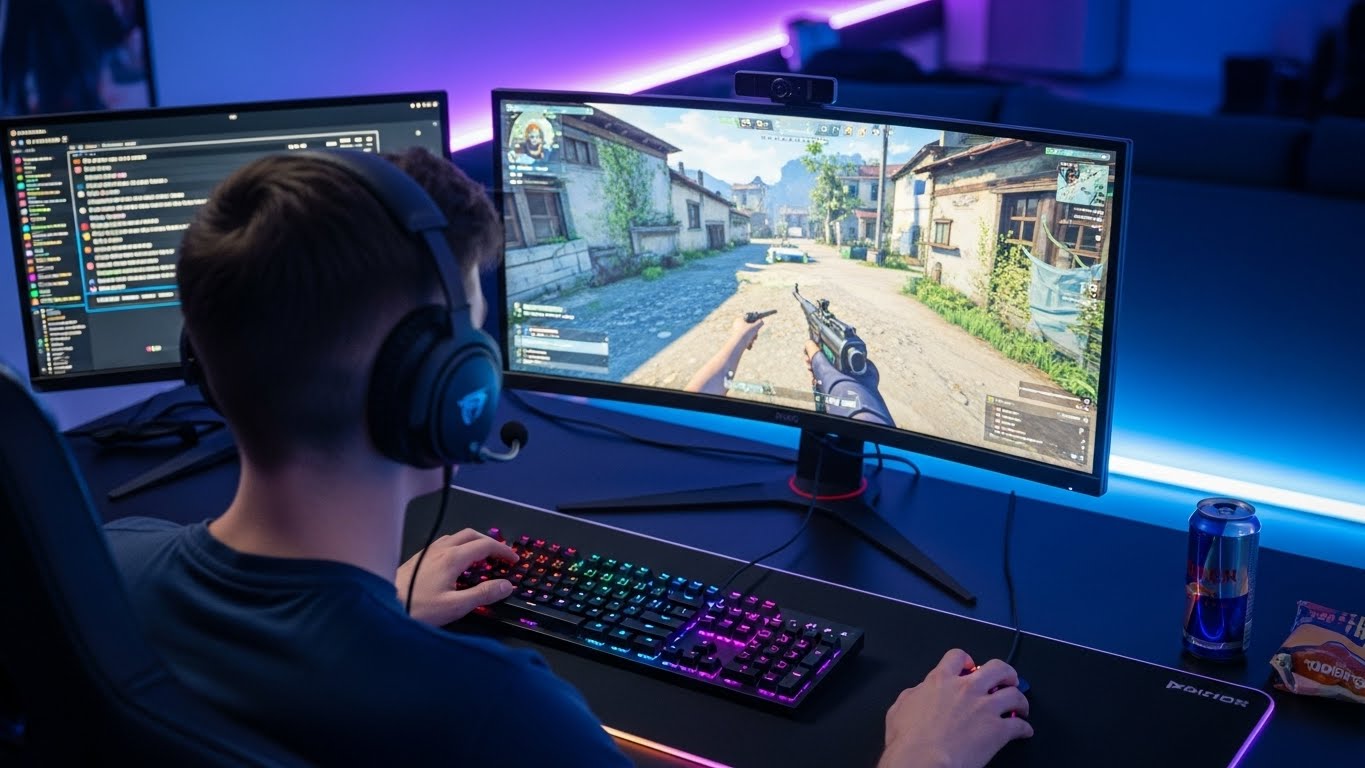
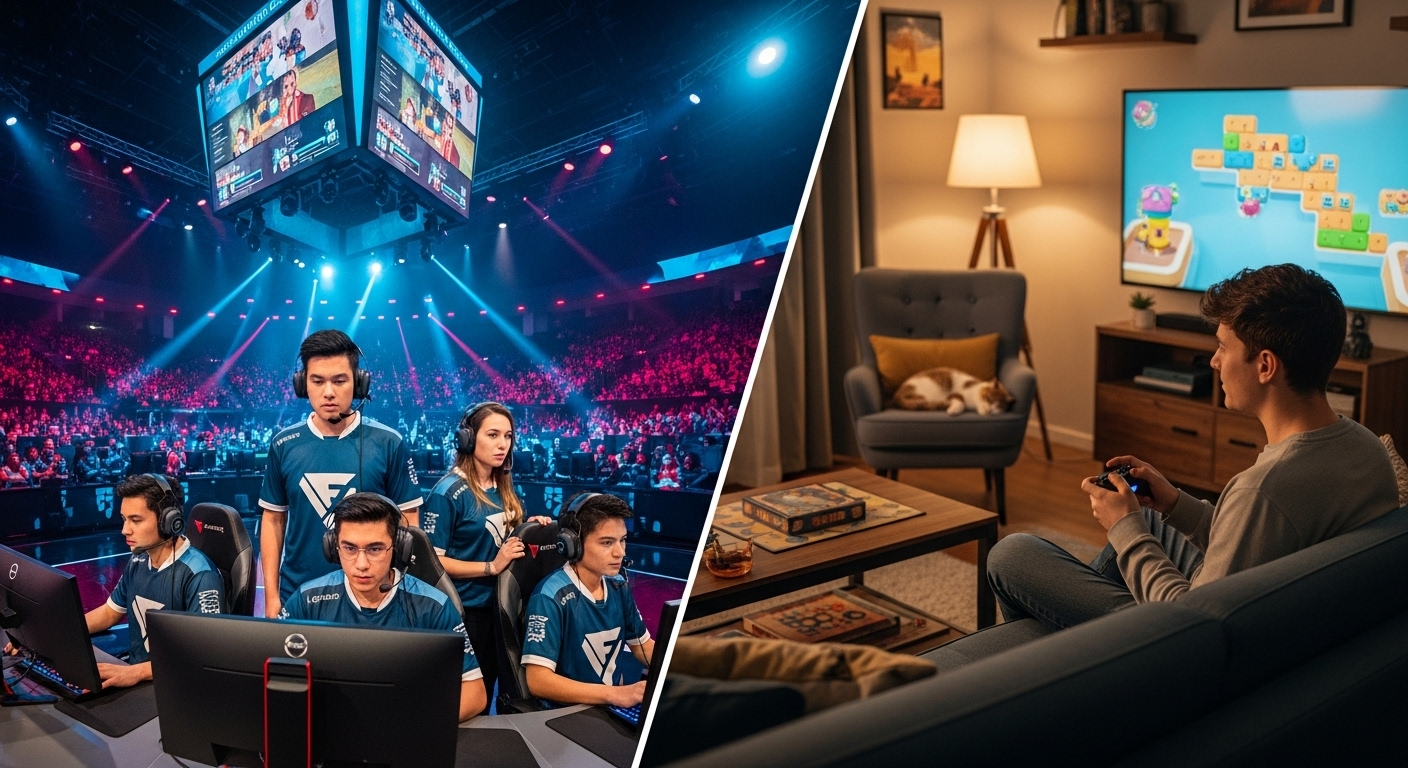
Gaming has transformed from a niche hobby into a global cultural phenomenon over the past several decades. What started as simple pixelated games played on arcades and early consoles has evolved into an industry that generates billions of dollars annually, attracting millions of players worldwide. This evolution is not just technological; it has reshaped social interaction, storytelling, and even the way we view entertainment. In this blog, we will explore the journey of gaming, its influence on society, and the reasons why it continues to captivate players of all ages.
The Early Days of Gaming
The history of gaming dates back to the 1970s with the emergence of arcade games. Classics like Pong and Space Invaders were groundbreaking at the time, offering simple yet addictive gameplay. Pong, with its rudimentary two-dimensional representation of table tennis, introduced players to the thrill of competing against either another player or a machine. Space Invaders added a layer of strategy, requiring players to defend against descending alien enemies while managing limited lives and resources.
During this era, arcades became social hubs. Friends would gather to challenge each other, celebrate high scores, and share strategies. The communal nature of early gaming established a culture of competition and camaraderie that still persists today.
The Rise of Home Consoles
The late 1970s and early 1980s marked the transition of gaming from arcades to homes. Consoles like the Atari 2600 allowed people to enjoy interactive entertainment without leaving their living rooms. This period saw the introduction of iconic titles like Pac-Man and Donkey Kong, which became household names.
The shift to home gaming also meant that developers had to focus on game design that could sustain player engagement over longer periods. This led to the development of more complex levels, storytelling elements, and innovative gameplay mechanics. Home consoles democratized gaming, making it accessible to families and individuals, thereby expanding the player base significantly.
The 16-Bit Era and Narrative Storytelling
The 1980s and early 1990s witnessed the rise of 16-bit consoles like the Super Nintendo Entertainment System (SNES) and Sega Genesis. This era brought a significant leap in graphics, sound, and gameplay complexity. Players were no longer just chasing high scores—they were embarking on immersive adventures.
Games like The Legend of Zelda: A Link to the Past and Sonic the Hedgehog introduced expansive worlds, engaging narratives, and memorable characters. These games showcased that video games could be more than a pastime—they could be artistic experiences with deep emotional impact. The 16-bit era also gave rise to role-playing games (RPGs), where players could develop characters, make choices, and influence storylines, laying the foundation for future immersive experiences.
The Impact of 3D Graphics
The mid-1990s brought about a revolutionary change with the introduction of 3D graphics. Consoles like the Sony PlayStation and Nintendo 64 enabled developers to create polygon-based worlds, offering a new level of realism and immersion. Games such as Final Fantasy VII, Metal Gear Solid, and Super Mario 64 demonstrated the potential of 3D environments, cinematic storytelling, and complex gameplay mechanics.
This era also introduced the concept of exploration. Open-world games allowed players to interact with environments freely, discover hidden secrets, and approach challenges in multiple ways. This freedom transformed the way players engaged with games, emphasizing creativity and personal agency over linear progression.
Online Gaming and Multiplayer Communities
The advent of the internet brought gaming to an entirely new dimension: multiplayer interaction. Games like EverQuest, Counter-Strike, and World of Warcraft enabled players to connect, compete, and cooperate in vast virtual worlds. Online gaming transformed solitary play into a social experience, fostering communities and friendships that extended beyond the digital realm.
Competitive gaming also emerged as a prominent aspect of the industry. Esports tournaments, online leaderboards, and streaming platforms created new avenues for players to showcase their skills and gain recognition. The rise of multiplayer gaming has had a profound impact on gaming culture, emphasizing collaboration, strategy, and global connectivity.
Mobile Gaming Revolution
The introduction of smartphones revolutionized gaming once again. Mobile gaming made games accessible to virtually anyone with a phone, breaking barriers of age, skill, and geography. Titles like Angry Birds, Clash of Clans, and Pokémon GO demonstrated that engaging gameplay could exist outside consoles and PCs.
Mobile gaming has also encouraged innovation in monetization models, including free-to-play mechanics and in-game purchases. While these models have sparked debates, they have undeniably contributed to the industry’s growth, allowing developers to reach wider audiences and sustain long-term development.
The Role of Storytelling in Modern Gaming
Modern games are not just about mechanics—they are about narratives, characters, and emotional experiences. Story-driven games like The Last of Us, Red Dead Redemption 2, and God of War illustrate how games can deliver stories as compelling as films or novels.
These games explore complex themes such as morality, loss, identity, and human connection. Players are not passive observers; they are active participants in the narrative, making choices that influence outcomes. This level of immersion creates a unique emotional investment that sets gaming apart from other forms of entertainment.
Technological Innovations and Immersive Experiences
The gaming industry continues to push technological boundaries. Virtual reality (VR) and augmented reality (AR) offer unprecedented levels of immersion, transporting players into fully interactive worlds. Devices like Oculus Quest and PlayStation VR allow players to physically engage with game environments, making experiences more visceral and memorable.
Artificial intelligence (AI) is also transforming gaming. Advanced AI systems create intelligent non-player characters (NPCs) that adapt to player behavior, offering dynamic challenges and enriching gameplay. Procedural generation techniques enable infinite worlds, ensuring that every player’s experience is unique. These innovations are not only enhancing gameplay but also expanding the possibilities of what games can achieve as a medium.
Gaming as a Cultural Phenomenon
Gaming is no longer confined to living rooms or arcades; it is a cultural force. Games influence fashion, music, and even language. Cosplay, fan art, and conventions celebrate gaming culture, while popular franchises achieve iconic status across generations.
Streaming platforms like Twitch and YouTube have also transformed gaming into a spectator sport. Viewers can watch professional players, learn strategies, or simply enjoy entertainment, blurring the line between participant and observer. Gaming has become a shared cultural experience, connecting people across the globe through a common passion.
The Educational and Cognitive Benefits of Gaming
Beyond entertainment, gaming offers cognitive and educational benefits. Strategy games, puzzles, and simulation titles enhance problem-solving skills, spatial awareness, and critical thinking. Multiplayer games encourage teamwork, communication, and leadership.
Educational games leverage interactive mechanics to make learning engaging and effective. From history simulations to language learning apps, gaming provides a platform where education and entertainment intersect, making it a valuable tool for both children and adults.
Challenges and Controversies in Gaming
Despite its many benefits, gaming also faces challenges and controversies. Concerns about addiction, excessive screen time, and exposure to violent content have sparked debates among parents, educators, and policymakers. Microtransactions and loot boxes have raised ethical questions about monetization strategies, particularly for younger players.
The industry has been working to address these issues through better rating systems, parental controls, and mental health awareness initiatives. Responsible gaming practices are increasingly emphasized, ensuring that the positive aspects of gaming can be enjoyed without adverse effects.
The Future of Gaming
Looking forward, the future of gaming is filled with possibilities. Cloud gaming promises to make high-quality experiences accessible without expensive hardware. Cross-platform play is breaking down barriers, allowing friends to connect regardless of device. AI-generated content could lead to infinite narratives and personalized experiences, where no two players share the same journey.
Moreover, the continued integration of VR, AR, and AI will redefine immersion, making games more interactive, responsive, and emotionally impactful. As technology evolves, gaming will continue to expand its role as a source of entertainment, creativity, and cultural significance.
Conclusion
Gaming has come a long way from the days of simple pixelated screens to vast, immersive worlds that captivate millions. It has grown into a global cultural phenomenon, offering social connection, creative expression, and emotional engagement. From arcades to VR headsets, gaming continues to innovate and inspire, shaping the way we interact with stories, challenges, and each other.
Whether you are a casual player, a competitive gamer, or simply someone who appreciates the artistry of interactive media, gaming offers experiences that are unparalleled in their depth, creativity, and impact. Its journey is far from over, and the future promises even more exciting adventures for players around the world.