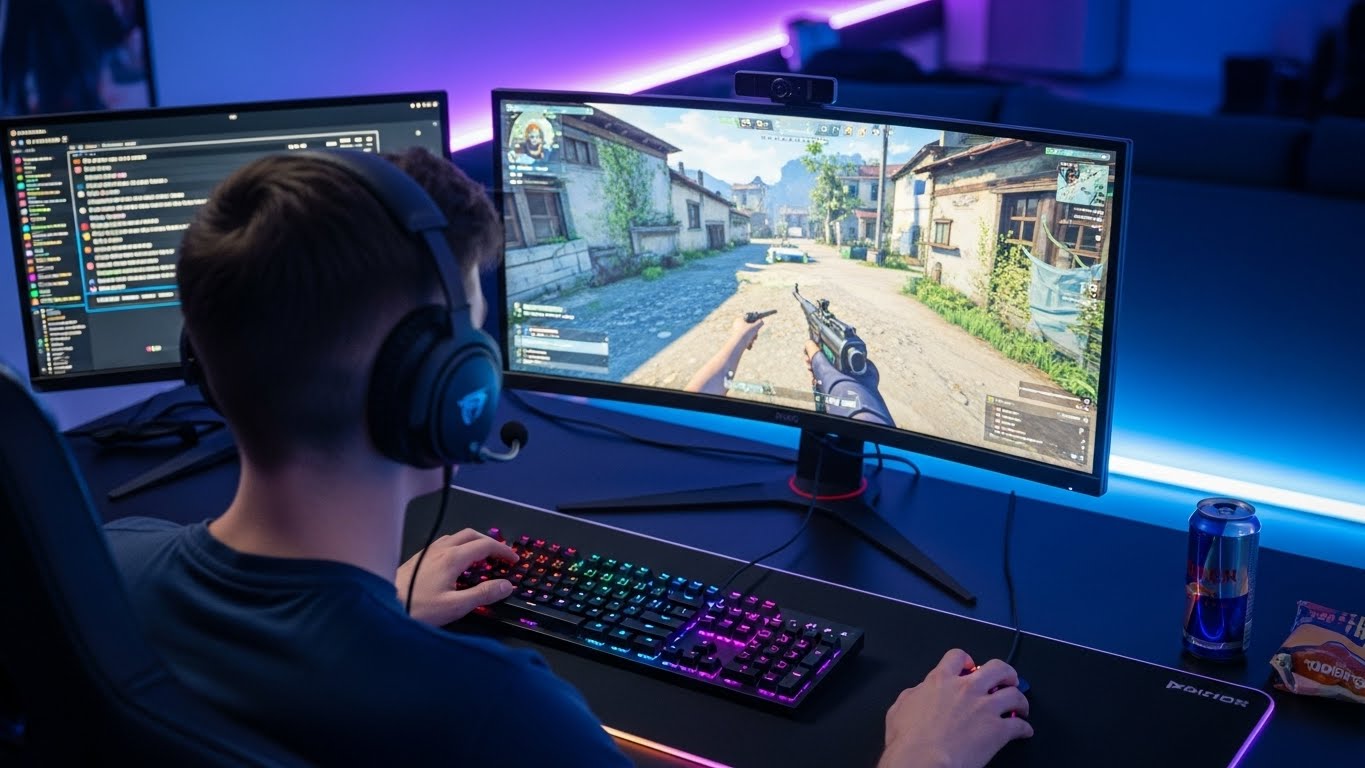
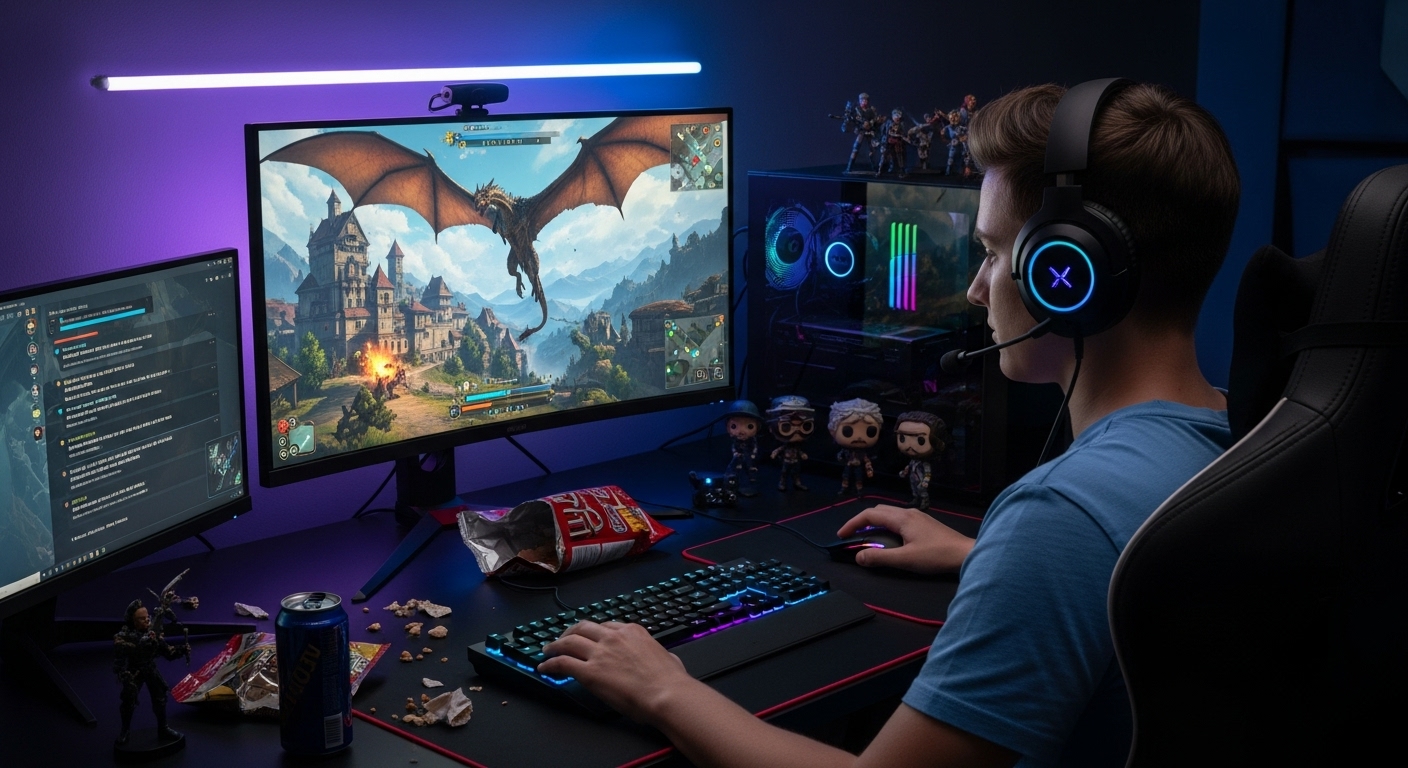
Introduction: The Rise of a Global Phenomenon
Gaming is no longer just a pastime for children or a niche hobby for tech enthusiasts. It has evolved into one of the most influential industries in the world, merging creativity, technology, and community into one dynamic ecosystem. From the early pixelated arcade machines to today’s immersive virtual reality experiences, gaming has not only transformed entertainment but also reshaped technology, culture, and even education. The world of gaming is now a digital battlefield, where innovation and imagination collide to redefine what it means to play, connect, and create.
The Evolution of Gaming: From 8-Bit to 8K
The history of gaming is a story of relentless evolution. In the 1980s, video games were limited to simple graphics and basic gameplay. Titles like Pac-Man and Super Mario Bros introduced players to a new form of digital entertainment. The 1990s brought advancements in consoles, giving rise to franchises such as The Legend of Zelda, Final Fantasy, and Sonic the Hedgehog. The early 2000s saw the emergence of 3D graphics, online multiplayer, and cinematic storytelling. Today, we are living in an era where 8K graphics, realistic physics, and artificial intelligence create experiences that blur the line between fantasy and reality. Gaming has become an art form powered by technology, innovation, and creativity.
The Role of Technology in Shaping the Gaming Experience
Modern gaming owes its success to the rapid advancement of technology. Graphics processing units, artificial intelligence, and cloud computing have revolutionized how games are developed and played. The introduction of real-time ray tracing allows developers to create lifelike lighting and reflections, while high refresh rate monitors and ultra-fast processors ensure smoother gameplay. Cloud gaming services have removed the dependency on expensive hardware, making high-quality gaming accessible to anyone with a stable internet connection. The marriage of technology and creativity has turned gaming into one of the most technologically demanding and rewarding industries on the planet.
The Rise of Mobile Gaming: Entertainment on the Go
Mobile gaming has become the most accessible form of digital entertainment in the world. With smartphones becoming increasingly powerful, millions of people now play games without needing a console or PC. Mobile titles like Clash Royale, PUBG Mobile, and Genshin Impact have demonstrated that handheld devices can deliver console-quality experiences. The appeal of mobile gaming lies in its convenience, affordability, and social connectivity. Whether you are commuting to work or relaxing at home, mobile games provide instant access to fun and competition. This accessibility has expanded the gaming demographic, welcoming people of all ages and backgrounds into the gaming world.
Esports: The New Age of Competitive Gaming
Esports has turned gaming into a global sport watched by millions. Professional gamers now compete in tournaments with prize pools worth millions of dollars, and audiences fill stadiums or tune in online to watch their favorite teams. Games like League of Legends, Counter-Strike, and Dota 2 have become cultural phenomena, giving rise to professional leagues, sponsorships, and international championships. Esports has given legitimacy to gaming as a career and as a spectator sport, blending entertainment, strategy, and teamwork in ways that rival traditional sports. The growth of esports represents a monumental shift in how society perceives gaming and its potential.
Virtual Reality and Augmented Reality: The Future of Immersion
Virtual Reality (VR) and Augmented Reality (AR) have brought gaming into a new dimension of interaction. VR allows players to step into digital worlds, fully immersing themselves in the environment through headsets and motion controllers. AR, on the other hand, blends digital elements with the real world, creating interactive experiences that extend beyond the screen. Games like Beat Saber, Half-Life: Alyx, and Pokémon Go have shown the potential of immersive technologies to create experiences that engage both the body and mind. As VR and AR hardware become more affordable and advanced, these technologies are expected to redefine how players experience games, education, and even social interaction.
The Role of Artificial Intelligence in Gaming
Artificial intelligence has quietly become one of the most powerful tools in game development. AI-driven enemies, adaptive gameplay, and procedural generation have added depth and unpredictability to gaming experiences. Games now adjust to a player’s skill level, ensuring a balanced and enjoyable experience for all. AI is also used to enhance realism, from character animations to environmental behaviors. Moreover, AI tools assist developers in designing massive open worlds, reducing development time and costs. In the near future, AI could enable dynamic storytelling, where every player’s experience is uniquely tailored based on their choices and actions.
The Social Impact of Gaming Communities
Gaming has transformed into a social experience where people from across the globe connect, communicate, and collaborate. Online multiplayer games have created communities where teamwork, strategy, and friendship thrive. Platforms with voice and text chat have made it possible for players to build lasting relationships regardless of geographic boundaries. For many, gaming is more than just entertainment—it’s a form of social connection and belonging. However, with this connectivity comes responsibility. Developers and communities must continue to promote healthy interactions, inclusivity, and positive gaming environments.
Game Development as a Creative Industry
Behind every game lies a team of artists, programmers, writers, and designers who bring imagination to life. Game development is one of the most interdisciplinary creative fields, combining storytelling, visual art, sound design, and coding. Indie developers have especially revolutionized the industry by producing unique and emotionally resonant games with limited budgets. Titles like Celeste, Hollow Knight, and Undertale have proven that creativity and passion can outshine massive production budgets. The democratization of game development tools has empowered aspiring creators to bring their visions to the world, further diversifying the gaming landscape.
The Economic Power of the Gaming Industry
The gaming industry is now one of the most profitable sectors in global entertainment, surpassing the combined revenue of film and music industries. With billions of players worldwide, gaming has become a dominant force in digital culture and economics. The rise of digital distribution platforms has made it easier for developers to reach global audiences. Additionally, in-game purchases, microtransactions, and downloadable content have created new revenue models that sustain the industry’s growth. This economic influence has also spurred advancements in technology, influencing the development of processors, graphics cards, and artificial intelligence systems.
Educational and Therapeutic Benefits of Gaming
Beyond entertainment, gaming has proven to have educational and therapeutic benefits. Educational games teach problem-solving, history, and science through interactive learning. Strategy and simulation games improve critical thinking and decision-making skills. Moreover, video games are increasingly being used in therapy to help individuals with anxiety, depression, and trauma. Games offer safe spaces where players can express emotions, overcome challenges, and develop resilience. The fusion of fun and functionality in gaming makes it a powerful tool for both personal and professional development.
The Ethical Side of Gaming: Challenges and Responsibilities
As the industry grows, so do its challenges. Issues such as addiction, toxic behavior, and data privacy have become important topics of discussion. Developers and players alike have a shared responsibility to foster ethical gaming practices. Parental controls, content moderation, and awareness campaigns are essential to ensure gaming remains a positive experience. Furthermore, developers are increasingly addressing topics like representation, inclusivity, and mental health, making gaming a more diverse and empathetic space.
The Future of Gaming: A Vision Beyond Screens
The future of gaming is boundless. Advances in cloud computing, artificial intelligence, and quantum technology promise even more immersive and intelligent gaming experiences. We may soon see games powered entirely by AI, capable of creating infinite worlds and adaptive narratives. Haptic feedback suits and neural interfaces could allow players to physically feel the game world. As technology continues to evolve, gaming will likely expand beyond screens, becoming an integral part of human experience, creativity, and communication.
Conclusion: Gaming as the Ultimate Digital Revolution
Gaming is not just about entertainment; it is a reflection of human progress. It combines art, science, and storytelling into a single, interactive experience that captures imagination and emotion. From the pixels of the past to the virtual realities of the future, gaming continues to push the boundaries of what technology can achieve. It inspires innovation, fosters global connections, and shapes how we perceive digital interaction. The world of gaming stands as a testament to creativity, resilience, and the endless possibilities of human imagination. The digital battlefield will continue to evolve, but one thing remains certain—gaming has forever changed the way the world plays, learns, and connects.