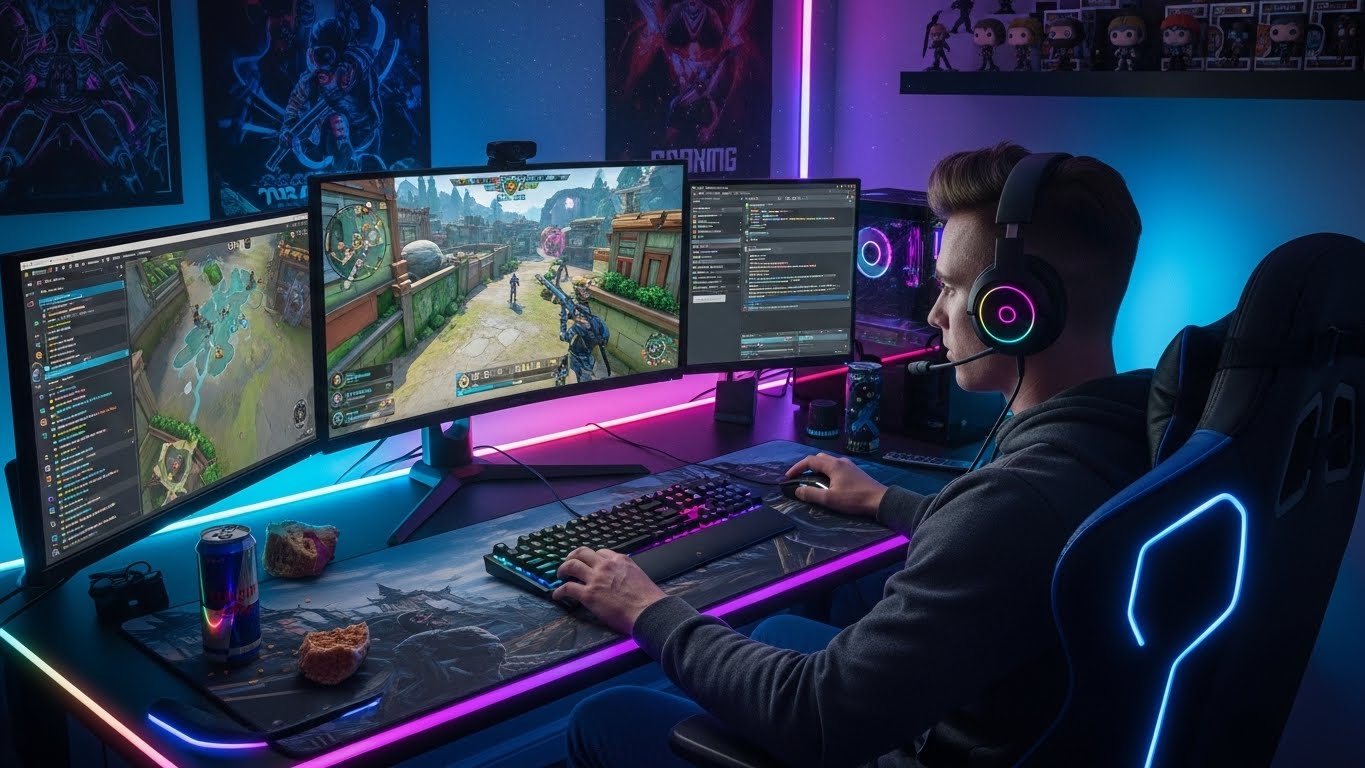
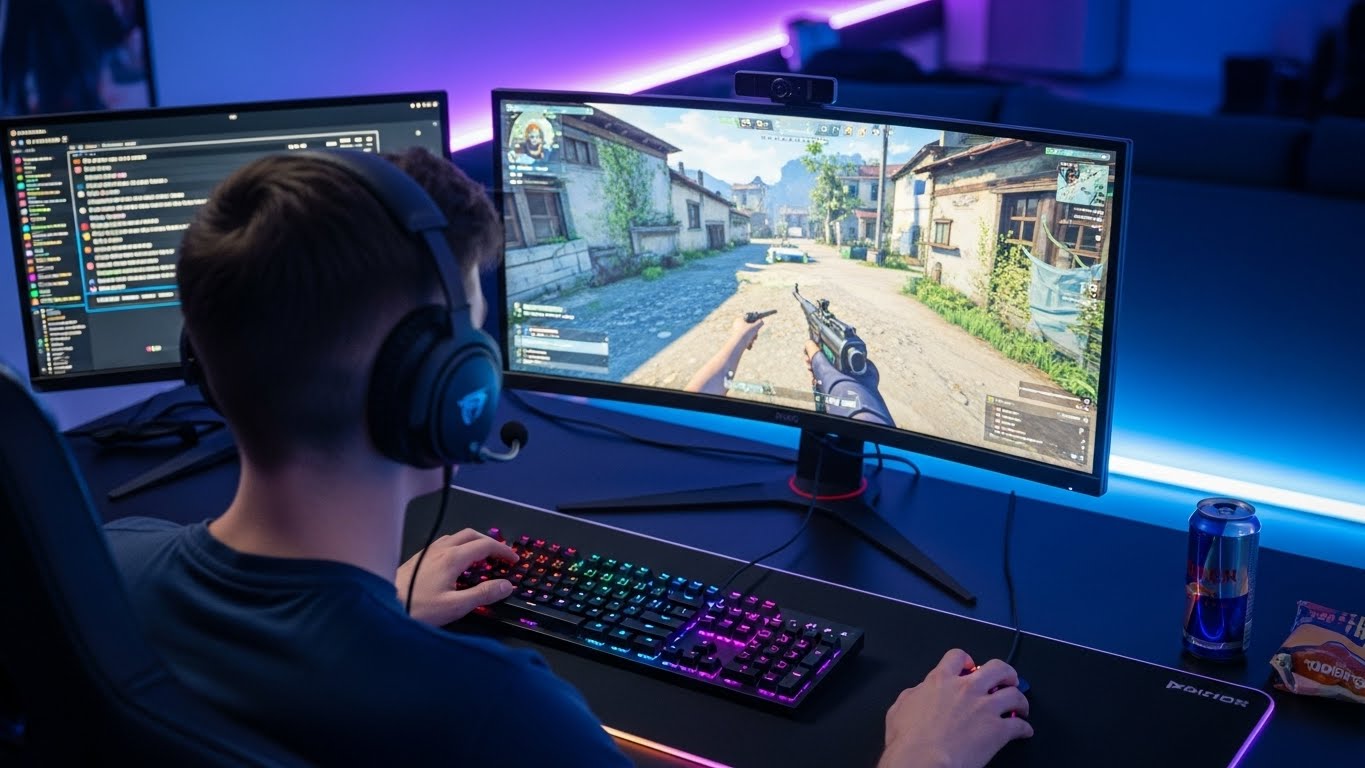
Gaming has evolved from a niche hobby into a mainstream form of entertainment that influences culture, technology, and social interaction. What once started with simple pixelated screens and basic mechanics has grown into a sprawling universe of immersive experiences, competitive sports, and creative storytelling. Today, gaming is not just about entertainment; it is a thriving industry, a technological testing ground, and a cultural phenomenon. In this blog, we will explore the evolution of gaming, current trends, technological innovations, and the future possibilities that make gaming an integral part of modern life.
The Evolution of Gaming: From Pixels to Realism
The history of gaming is a story of constant evolution. Early games like Pong and Space Invaders offered simple mechanics and limited graphics, yet they captured the imagination of millions. As technology progressed, consoles like the Nintendo Entertainment System and the Sega Genesis introduced more complex gameplay, vibrant graphics, and engaging narratives.
The transition from 2D to 3D gaming in the 1990s marked a pivotal shift. Titles like Super Mario 64 and The Legend of Zelda: Ocarina of Time provided open-world exploration and immersive storytelling, setting new standards for player engagement. With the advent of powerful consoles such as the PlayStation and Xbox series, modern gaming entered a new era where photorealistic graphics, lifelike physics, and intricate gameplay mechanics became the norm.
Today, gaming is not confined to consoles or PCs. Mobile gaming, cloud gaming, and cross-platform play have made games accessible to anyone with a smartphone or internet connection, democratizing the industry and expanding its global reach.
Competitive Gaming and the Rise of Esports
Esports, or competitive gaming, has transformed gaming from a solo or casual hobby into a professional and lucrative industry. Millions of players participate in tournaments for games like League of Legends, Counter-Strike, Dota 2, and Fortnite. These competitions attract enormous audiences, both online and in live venues, with prize pools reaching millions of dollars.
Esports has also created new career opportunities beyond playing professionally. Streamers, commentators, coaches, analysts, and event organizers form an entire ecosystem around competitive gaming. The industry has gained legitimacy, with universities offering scholarships for esports players and corporations sponsoring teams and events.
Esports also impacts the broader culture of gaming. It promotes teamwork, strategic thinking, and high-level skill development. The rise of professional gaming has blurred the line between virtual competition and traditional sports, creating a new form of entertainment that resonates with both players and spectators worldwide.
Storytelling in Gaming: More Than Just Gameplay
Modern gaming is as much about storytelling as it is about mechanics. Games now offer narratives that rival those of books and movies, delivering emotional and immersive experiences. Titles like The Last of Us, Red Dead Redemption, and God of War combine rich storytelling with interactive gameplay, allowing players to engage in complex moral decisions, explore vast worlds, and connect with compelling characters.
Interactive storytelling provides a unique experience because players are not just passive observers—they actively shape the story through their choices. This interactivity creates a deeper level of engagement, allowing players to form personal connections with the game world. The evolution of narrative-driven games demonstrates that gaming is not just entertainment; it is a form of art and expression that can evoke emotions and provoke thought.
Technological Innovations Driving Gaming Forward
Gaming technology continues to advance at a remarkable pace, enhancing immersion, realism, and interactivity. Graphics engines, artificial intelligence, virtual reality, and cloud computing are all reshaping the gaming landscape.
Ray tracing and advanced rendering techniques provide photorealistic visuals, while AI-driven characters offer dynamic behaviors and adaptive challenges. Virtual reality (VR) and augmented reality (AR) take immersion to the next level, placing players directly inside the game world and allowing them to interact with it in intuitive ways.
Cloud gaming is another innovation transforming accessibility. By streaming games from powerful servers to devices with minimal hardware requirements, cloud gaming eliminates the need for expensive consoles or high-end PCs. This technology enables instant access to a vast library of games and opens opportunities for casual gamers to explore titles that were previously out of reach.
Social and Cultural Impact of Gaming
Gaming has evolved into a social experience, connecting people across the globe. Multiplayer games, online communities, and streaming platforms create spaces where players can collaborate, compete, and share experiences. Games like Minecraft, Among Us, and Animal Crossing allow players to form virtual communities, express creativity, and engage in collaborative play.
Streaming platforms like Twitch and YouTube Gaming have further amplified the social impact of gaming. Players can share their gameplay with millions of viewers, build communities, and even turn gaming into a full-time career. The social dimension of gaming fosters connections, cultural exchange, and creative expression, transforming gaming into a cultural force that influences music, fashion, and even education.
Gaming as a Tool for Learning and Development
Beyond entertainment, gaming offers cognitive and educational benefits. Strategic and role-playing games enhance problem-solving, critical thinking, and decision-making skills. Multiplayer games promote teamwork, communication, and leadership. Puzzle games and logic challenges sharpen analytical abilities, while simulation games can teach real-world skills in a safe, controlled environment.
Educational games are increasingly being used in classrooms to engage students and reinforce learning concepts. Gamification techniques, which apply game design principles to education, motivate students by turning lessons into interactive and rewarding experiences. Gaming is no longer just a pastime—it is becoming a valuable tool for personal and intellectual development.
Mobile Gaming: Gaming in Your Pocket
The rise of smartphones has transformed the gaming industry. Mobile gaming has become one of the largest segments of the gaming market, reaching billions of users worldwide. Games like PUBG Mobile, Genshin Impact, and Candy Crush have captivated diverse audiences, offering both casual and competitive experiences.
Mobile gaming emphasizes accessibility and convenience. Players can enjoy short gaming sessions on the go, connect with friends online, and participate in global competitions from their devices. The mobile gaming industry also drives innovation, experimenting with new monetization models, social features, and augmented reality experiences that redefine how games are played.
Virtual Reality and Immersive Experiences
Virtual reality is pushing the boundaries of what gaming can offer. By placing players inside a fully immersive digital world, VR games create experiences that are physically and emotionally engaging. Players can explore fantastical landscapes, solve puzzles, and engage in combat as if they were truly part of the game world.
VR gaming also has implications beyond entertainment. Training simulations for pilots, surgeons, and military personnel use VR to provide realistic, hands-on experience in a safe environment. VR’s potential extends to therapy, fitness, and social interaction, showing that gaming technology can have practical, real-world applications.
Challenges Facing the Gaming Industry
Despite its growth, the gaming industry faces challenges that must be addressed. Game addiction and screen time concerns have raised questions about mental health impacts. Toxic behavior in online communities, including harassment and cheating, remains a persistent issue. Monetization practices such as microtransactions and loot boxes have sparked debates over fairness and ethics.
Moreover, diversity and representation in gaming continue to be important topics. While the industry has made progress, there is still work to be done to ensure that games are inclusive, equitable, and reflective of the global player base. Developers and communities alike must strive to create safe and welcoming environments for all players.
The Future of Gaming: Endless Possibilities
The future of gaming is full of possibilities, fueled by innovation and creativity. Advancements in artificial intelligence, cloud computing, and immersive technology will make games more realistic, adaptive, and accessible. Procedural generation and AI-driven content could create infinite worlds for players to explore, while cross-platform integration will allow seamless play across devices.
Esports will continue to grow, attracting larger audiences and mainstream recognition. Social and collaborative gaming experiences will expand, making gaming an even more integral part of how people connect and communicate. The line between virtual and physical reality will blur as augmented reality, virtual reality, and mixed reality technologies converge.
Gaming is no longer just a form of entertainment—it is a cultural, social, and technological phenomenon that shapes the way we interact, learn, and experience the world. The next decade promises even more innovation, with games continuing to push boundaries, tell compelling stories, and create experiences that were once unimaginable.
Conclusion: Embracing the Gaming Revolution
Gaming has come a long way from its humble beginnings. It has transformed into a multifaceted industry that influences culture, technology, and society. From competitive esports and immersive VR experiences to educational tools and mobile accessibility, gaming impacts the way people play, learn, and connect.
As technology continues to evolve, so will the possibilities within gaming. By embracing innovation responsibly, fostering inclusive communities, and exploring creative storytelling, gaming will continue to redefine entertainment and expand the horizons of human experience. The gaming revolution is here, and it is shaping a future where imagination, skill, and technology converge to create extraordinary worlds.
Word count: ~1,520