
Introduction: The Cultural Power of Gaming
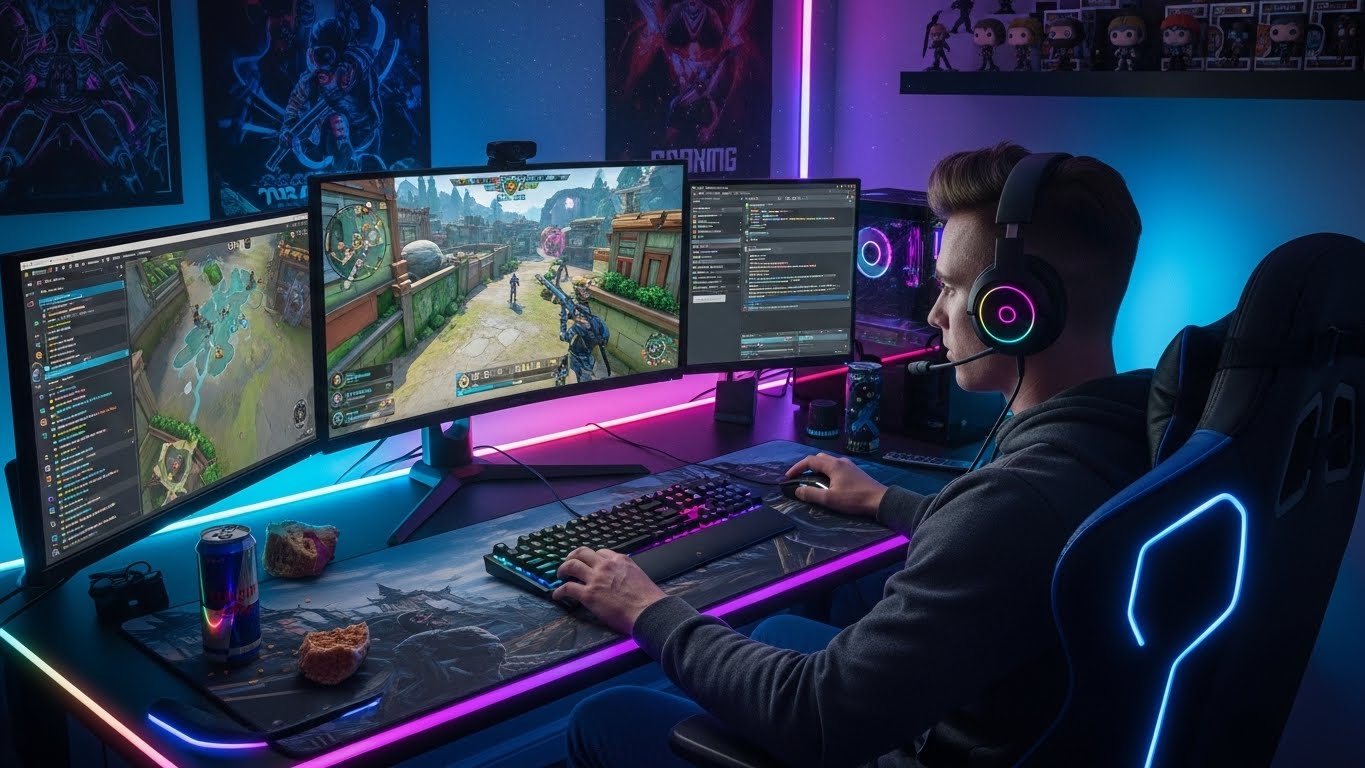
Gaming has become one of the most influential forms of entertainment in the modern world. With a growing global audience, video games have moved beyond simple pastimes and evolved into a massive cultural and economic force. From childhood memories of playing on early consoles to the advanced gaming experiences of today, the landscape of gaming has shifted dramatically. The once niche hobby is now a vibrant industry, generating billions in revenue annually and influencing multiple facets of society, from technology to social interactions.
In this blog post, we’ll explore how gaming has evolved over the decades, the impact it has on culture, and where the future of gaming might take us.
The Origins of Gaming: A Humble Beginning
The history of gaming can be traced back to the 1950s and 1960s, with the birth of early computer games. Games such as Tennis for Two and Spacewar! laid the groundwork for the industry, though they were mostly experimental and enjoyed by small groups of enthusiasts. These early games were rudimentary by today’s standards, offering simple graphics and basic gameplay.
It wasn’t until the 1970s and 1980s that gaming entered the mainstream with the arrival of arcade games and home consoles. Classic titles like Pong, Pac-Man, and Donkey Kong captivated players and led to the widespread popularity of arcade gaming. The 1980s also saw the release of the first home consoles, such as the Atari 2600, which made gaming accessible to families everywhere. While these early games were simple, they laid the foundation for the complex and immersive experiences we enjoy today.
The Golden Age of Console Gaming
The 1990s marked a significant turning point for the gaming industry. The release of more powerful home consoles like the Super Nintendo Entertainment System (SNES), Sega Genesis, and later, the Sony PlayStation, revolutionized gaming by introducing better graphics, more sophisticated gameplay, and the advent of 3D worlds.
During this era, gaming began to diversify, with multiple genres emerging. RPGs (role-playing games) like Final Fantasy VII, platformers like Super Mario 64, and first-person shooters like Doom began to shape gaming culture. The introduction of 3D technology brought about new gaming experiences, offering expansive, open worlds for players to explore.
As the PlayStation, Nintendo 64, and Sega Dreamcast dominated the market, gaming began to shift away from the arcade experience and into the home entertainment sector. The PlayStation also introduced CD-ROM-based games, which allowed developers to create larger, more intricate worlds that could be played at home—marking the start of narrative-driven games with cinematic storytelling.
The Rise of Online Gaming and the Social Revolution
As the internet became more accessible in the early 2000s, online gaming emerged as a revolutionary new aspect of the gaming world. Games like Warcraft, World of Warcraft, and Halo 2 allowed players to connect and compete with others from around the world, giving rise to online communities, guilds, and new forms of social interaction.
The success of online multiplayer games also led to the rise of eSports, a competitive gaming phenomenon that has since grown into a billion-dollar industry. Gamers started participating in professional tournaments, often with substantial cash prizes, attracting large audiences and corporate sponsorships. In fact, some eSports tournaments now rival traditional sports events in viewership and prize money.
In addition to traditional multiplayer games, the rise of social gaming platforms like Xbox Live and PlayStation Network allowed players to form friends lists, chat with each other, and join multiplayer games seamlessly. Mobile devices like smartphones and tablets further revolutionized social gaming, enabling people to play with friends no matter where they were.
Gaming on Mobile: Accessibility for All
Perhaps the most significant shift in the gaming world over the past decade has been the rise of mobile gaming. The widespread adoption of smartphones has made gaming more accessible than ever before. Games like Candy Crush, Clash of Clans, and Pokémon GO reached millions of players who otherwise wouldn’t have considered gaming.
Mobile gaming appeals to a broader demographic, from casual players to hardcore gamers, and has made it easier for people to engage with gaming on their own terms. The accessibility of mobile games has broken down barriers, allowing gaming to become a universal activity enjoyed by people of all ages.
In addition to casual games, mobile platforms have also seen the rise of mobile esports. Competitive mobile games like PUBG Mobile and League of Legends: Wild Rift are now regularly featured in tournaments with significant prize money, proving that mobile gaming is not just a passing trend but a serious part of the gaming landscape.
Virtual Reality and Augmented Reality: The Future of Gaming
As technology continues to evolve, so too does gaming. One of the most exciting frontiers in gaming today is virtual reality (VR) and augmented reality (AR). VR technology, in particular, allows players to immerse themselves completely in virtual worlds, providing a level of interaction and engagement that was once unimaginable.
With VR headsets like the Oculus Rift, PlayStation VR, and HTC Vive, gamers can experience games in a fully immersive, 360-degree environment. From exploring fantastical landscapes in games like The Elder Scrolls V: Skyrim VR to participating in high-stakes multiplayer battles in Beat Saber, VR has opened up new possibilities for gaming experiences.
Meanwhile, augmented reality games like Pokémon GO combine the virtual and real world, encouraging players to interact with their environment while playing. AR offers a unique gaming experience where the boundaries between reality and digital content blur, and its potential in the gaming industry is just beginning to be explored.
The Impact of Streaming: Gaming Goes Mainstream
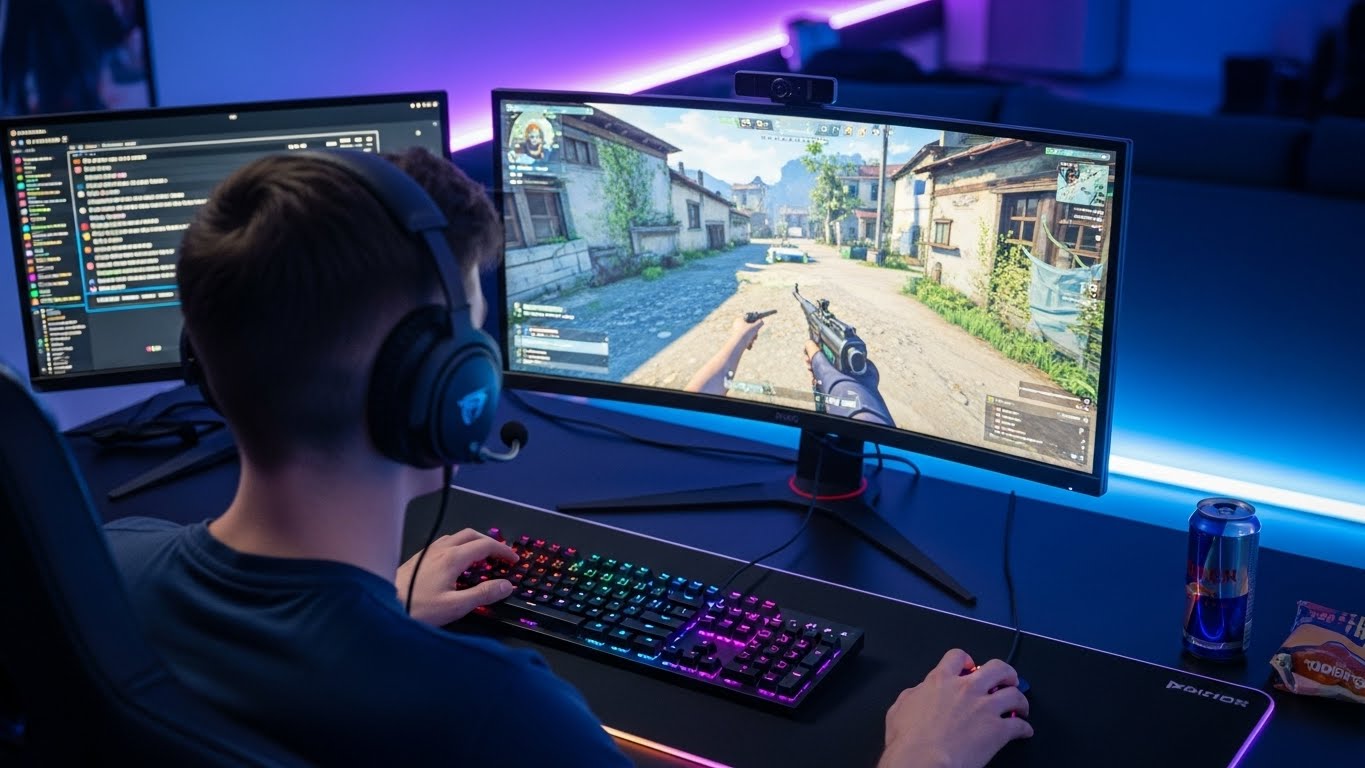
Another game-changing development in the gaming world is the rise of game streaming platforms like Twitch and YouTube Gaming. These platforms have allowed gamers to stream their gameplay live, interact with viewers, and build substantial fanbases. Professional gamers, streamers, and content creators have turned gaming into a career, while fans can watch their favorite players in action from anywhere in the world.
Streaming has become a form of entertainment in its own right. Major tournaments, game launches, and “let’s play” videos attract millions of viewers. The interaction between streamers and viewers, along with the ability to donate or subscribe, has created a thriving ecosystem around gaming culture.
Streaming has also contributed to the growth of eSports, as tournaments and matches are broadcast live, garnering large audiences and promoting gaming as a legitimate sport.
Gaming as a Cultural Force
Gaming has evolved into much more than just an entertainment medium. It has become a central part of pop culture, influencing movies, television, fashion, and even music. Iconic game franchises like Super Mario, The Legend of Zelda, Halo, and Fortnite have transcended gaming and become part of the larger cultural landscape.
Game characters have become beloved icons, and game soundtracks are often celebrated in their own right. Cosplay, fan art, and conventions like E3 and PAX give fans a space to celebrate their favorite games and connect with others who share their passion. The gaming community is diverse and inclusive, creating a global network of players who share experiences, ideas, and creations across borders.
Furthermore, many video games tackle serious themes such as war, social justice, morality, and the environment. Games like The Last of Us, BioShock, and Life is Strange have been praised for their mature, thought-provoking narratives that address important issues. This growing depth and complexity in storytelling has cemented video games as a medium for exploring complex ideas and emotions.
The Economic Impact of Gaming
The gaming industry has become one of the largest entertainment sectors in the world, generating billions of dollars in revenue each year. The global gaming market is expected to continue to grow, driven by factors such as the rise of mobile gaming, the expansion of esports, and the increasing popularity of streaming.
In addition to game sales and in-game purchases, the industry also benefits from merchandise sales, sponsorships, and advertising. Gaming has created jobs across various sectors, including game development, marketing, esports organizations, and content creation.
The Future of Gaming
The future of gaming is full of exciting possibilities. Advances in artificial intelligence (AI), cloud gaming, and mixed reality will continue to push the boundaries of what is possible in interactive entertainment. Games are becoming more interactive and personalized, with players influencing narratives and shaping the world around them.
We are also likely to see further integration of gaming with other forms of media, including movies and television shows. Netflix, for instance, has already launched its own gaming platform, and more streaming services are likely to follow suit. In the years to come, it’s possible that gaming and other entertainment forms will become increasingly intertwined, creating new ways for people to experience storytelling.
Conclusion: Gaming’s Continued Evolution
Gaming has come a long way from its humble beginnings. What started as a niche hobby has transformed into a global cultural phenomenon that continues to evolve with new technologies and trends. The future of gaming is bright, with endless possibilities for innovation, creativity, and interactivity. Whether you’re a casual gamer or a professional esports player, one thing is certain: gaming is here to stay, and its influence will continue to shape entertainment and culture for generations to come.