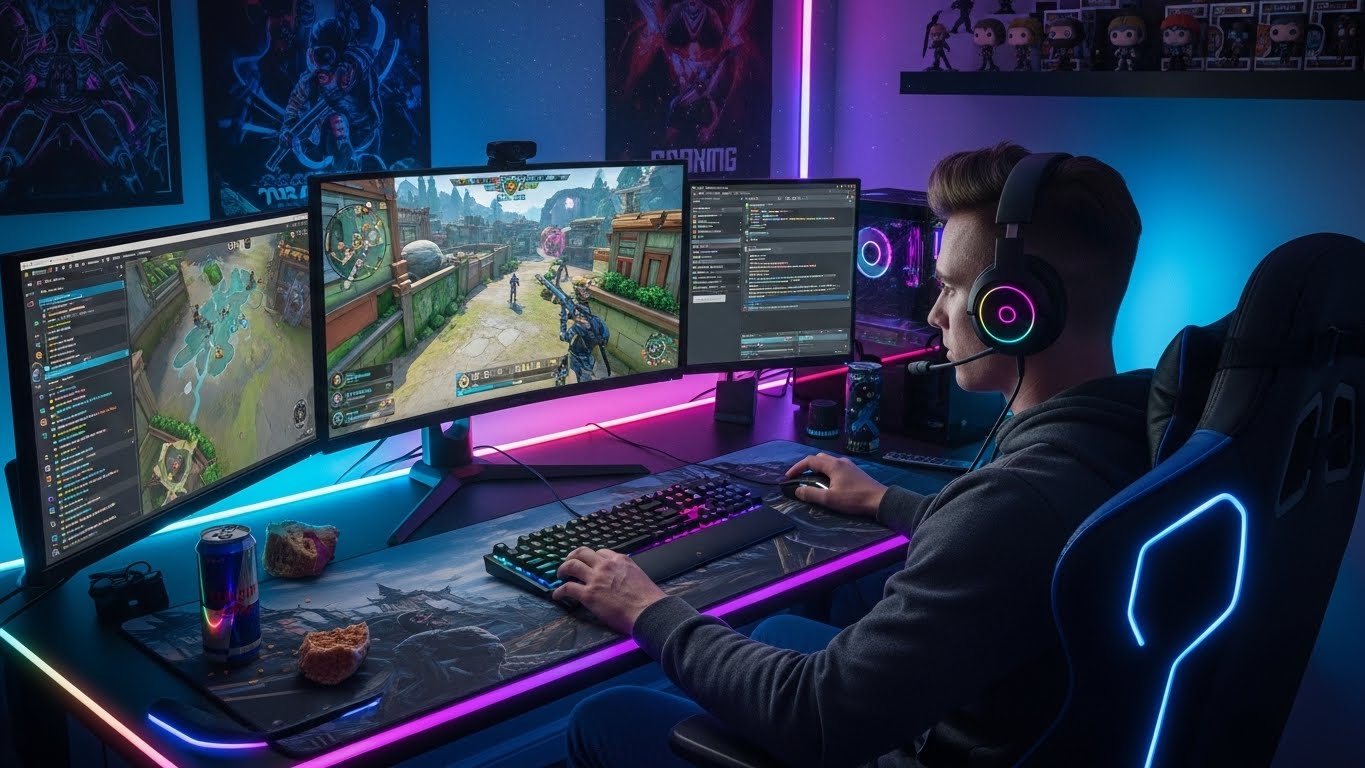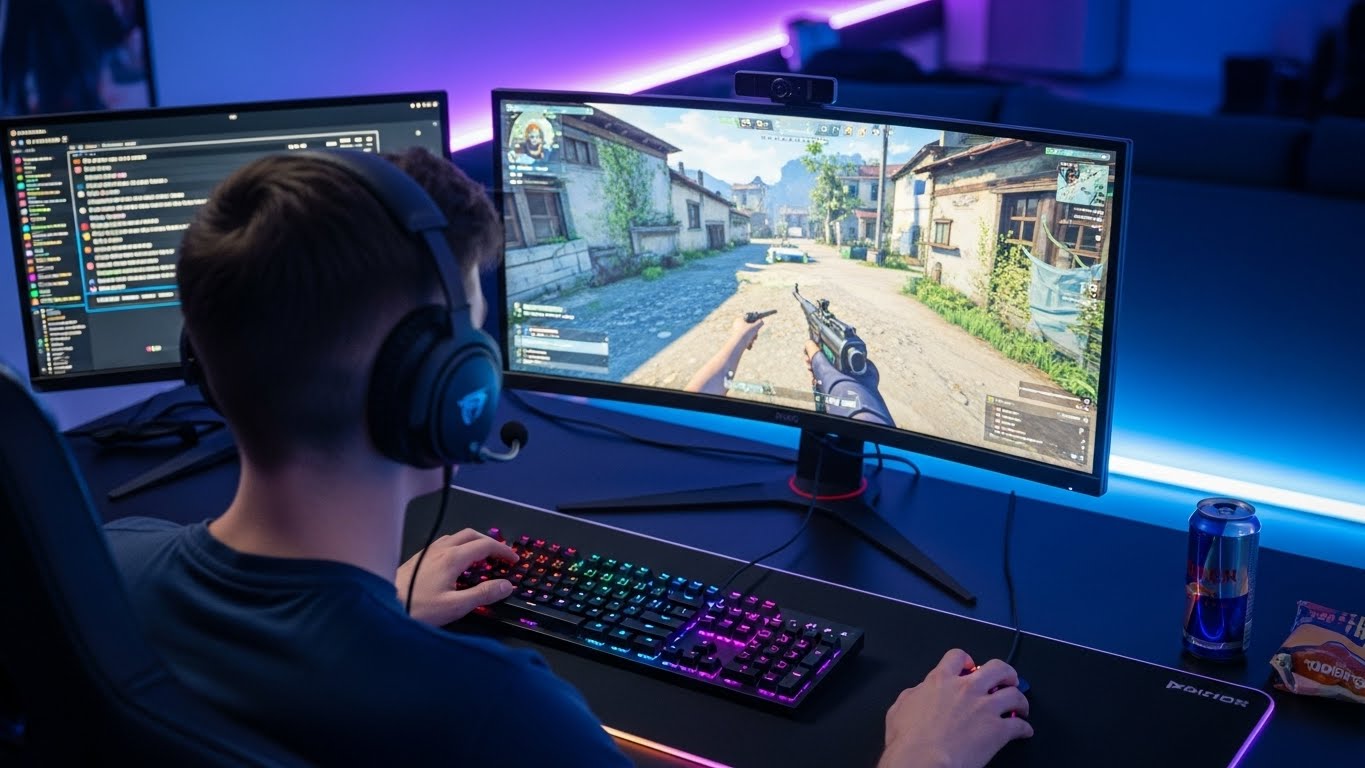
Gaming has evolved from a niche hobby into one of the most influential forms of entertainment and art in human history. What began as a few pixels on a screen in the 1970s has now become a global phenomenon worth hundreds of billions of dollars. It influences music, film, education, social life, and even politics. Gaming is no longer just about entertainment—it is about expression, connection, and creativity.
In this blog, we will explore how gaming has transformed over the decades, how it has shaped our culture, and where it is heading next.
The Birth of Gaming: From Arcades to Living Rooms
The roots of gaming trace back to the early 1970s when titles like Pong and Space Invaders introduced people to the magic of interactive entertainment. Arcades became the heart of social gaming, filled with flashing lights, loud sound effects, and the spirit of friendly competition. Teenagers crowded around machines, eager to break high scores and earn bragging rights.
Home consoles soon followed, bringing the arcade experience into people’s living rooms. The Atari 2600, released in 1977, changed everything. It allowed players to experience multiple games on one device, using interchangeable cartridges. The gaming industry had officially arrived.
As technology advanced, so did creativity. The 1980s gave birth to iconic franchises such as Super Mario Bros., The Legend of Zelda, and Tetris. These games weren’t just about winning—they told stories, built worlds, and created characters that would last for generations.
The Rise of Consoles and the Battle for Supremacy
The late 1980s and 1990s were defined by the so-called “Console Wars.” Companies like Nintendo, Sega, and later Sony, competed fiercely for dominance in households worldwide. Each console had its loyal fans, exclusive titles, and unique style.
Nintendo became synonymous with family-friendly innovation, introducing the Game Boy and redefining portable gaming. Sega captured hearts with Sonic the Hedgehog and its energetic style. Sony entered the scene with the PlayStation in 1994, targeting older audiences and embracing cinematic storytelling.
The 1990s also saw the dawn of 3D gaming. Titles like Super Mario 64, Final Fantasy VII, and Tomb Raider pushed the limits of technology. For the first time, players could explore vast open worlds, interact with lifelike characters, and experience stories that felt almost like movies.
The PC Revolution: Mods, Strategy, and Online Play
While consoles dominated the living room, personal computers were quietly revolutionizing gaming in their own way. PC gaming gave players freedom—freedom to customize, to create, and to innovate.
Strategy games such as Age of Empires, StarCraft, and Civilization flourished, allowing players to build empires, lead armies, and rewrite history. First-person shooters like Doom and Half-Life redefined action gameplay and storytelling.
The PC also became a hub for community-driven content. Modding communities emerged, turning ordinary games into extraordinary experiences. Some of the biggest modern titles, such as Counter-Strike and Dota, started as fan-made mods before becoming professional eSports phenomena.
Most importantly, PCs introduced the world to online multiplayer gaming. Early platforms like Battle.net, Steam, and others connected players across continents. Suddenly, gaming was not a solitary activity—it became a global network of shared adventures and friendships.
The Golden Age of Storytelling
As hardware improved and development tools became more sophisticated, gaming matured into an art form capable of telling powerful stories. The early 2000s ushered in what many call the “Golden Age of Storytelling” in gaming.
Titles like The Last of Us, Mass Effect, Bioshock, and Red Dead Redemption showcased emotional depth and narrative complexity that rivaled Hollywood films. Players were no longer just spectators—they were participants whose choices shaped the story.
Gaming also began to explore deeper themes such as morality, loss, mental health, and identity. These weren’t just games; they were emotional journeys. They challenged our beliefs, made us reflect, and allowed us to experience life through different perspectives.
The Explosion of Online Gaming and eSports
If the 2000s were about storytelling, the 2010s were about community. Online gaming exploded with titles like Call of Duty, Fortnite, League of Legends, and Minecraft. These games didn’t just entertain—they created worlds where millions of players could interact, compete, and collaborate.
eSports emerged as a professional industry, complete with tournaments, sponsorships, and massive audiences. Games like Dota 2, Counter-Strike: Global Offensive, and Overwatch turned skilled players into global celebrities. Stadiums filled with cheering fans, and millions tuned in online to watch their favorite teams compete for multi-million-dollar prizes.
Streaming platforms such as Twitch and YouTube Gaming also revolutionized how people consumed gaming content. Gamers were no longer just players—they became entertainers, influencers, and community leaders. A new type of celebrity was born: the streamer.
Mobile Gaming: The New Frontier
With the rise of smartphones, gaming reached new heights of accessibility. Mobile games like Angry Birds, Candy Crush, and Clash of Clans introduced gaming to billions of people who had never owned a console or PC.
The beauty of mobile gaming lies in its simplicity and convenience. You can play anywhere—on a bus, during lunch, or while waiting in line. Developers found creative ways to blend casual fun with deep strategy, social features, and competitive gameplay.
Mobile gaming also blurred the line between gamers and non-gamers. Today, nearly everyone has played a mobile game at some point. It became part of everyday life, proving that gaming truly belongs to everyone.
Virtual Reality and Augmented Reality: The Future Takes Shape
As technology continues to evolve, so does the way we experience games. Virtual Reality (VR) and Augmented Reality (AR) are opening new frontiers of immersion.
VR headsets like the Meta Quest, PlayStation VR, and HTC Vive transport players into fully realized digital worlds. You can swing a sword, fly a spaceship, or explore alien planets—all from your living room. The sense of presence is unlike anything traditional gaming can offer.
AR, on the other hand, blends the real world with the virtual. Pokémon Go was the first massive AR success, encouraging millions to explore their cities and interact with digital creatures in real environments. The possibilities for AR in gaming are endless—imagine strategy games played on your coffee table or puzzle games that interact with your surroundings.
The Social Power of Gaming
One of the most remarkable things about gaming today is its ability to bring people together. Online worlds are not just battlefields—they are social spaces. Games like Animal Crossing, Roblox, and Fortnite have become digital playgrounds where people hang out, celebrate birthdays, and even attend concerts.
Gaming communities can foster friendship, creativity, and collaboration. Guilds, clans, and online forums create lifelong bonds between players from all over the world. In many ways, gaming is the new social network—a place where people connect through shared adventures and challenges.
However, the social nature of gaming also brings challenges, such as toxicity, harassment, and addiction. The gaming community continues to grapple with these issues, striving to make online spaces more inclusive, safe, and welcoming for everyone.
Gaming as Art and Culture
Today, gaming is widely recognized as a legitimate form of art. The visuals, music, writing, and design of modern games rival those of films and novels. Titles like Journey, Inside, and Gris demonstrate that games can be minimalist, emotional, and poetic.
Museums and universities now study gaming as part of cultural history. Game soundtracks win awards. Artists, writers, and musicians collaborate with developers to create interactive experiences that blur the lines between play and art.
Gaming has also become a tool for education and social change. Games are used to teach history, promote empathy, and simulate complex systems. They can inspire creativity and problem-solving skills in ways no other medium can.
The Business of Gaming: A Billion-Dollar Industry
Gaming is not just culture—it is also big business. Today, the gaming industry generates more revenue than movies and music combined. Major companies invest billions in development, marketing, and innovation.
The business model of gaming has evolved over time. In the past, you bought a game once and that was it. Now, many games are free-to-play, relying on in-game purchases, cosmetics, and battle passes. This model allows developers to keep their games alive with constant updates and new content.
Subscription services like Xbox Game Pass and PlayStation Plus are also reshaping the market, giving players access to massive libraries of games for a monthly fee. Cloud gaming promises to make high-end titles available on any device, regardless of hardware limitations.
The business side of gaming reflects the diversity of its audience. There are games for every taste, age, and lifestyle—from indie passion projects to blockbuster productions with Hollywood-sized budgets.
The Influence of Gaming on Other Media
Gaming has begun to influence other forms of media in profound ways. Movies and TV shows now borrow storytelling techniques from games—branching narratives, player choice, and interactive experiences.
The success of game adaptations such as The Last of Us and Arcane demonstrates that gaming stories can resonate with mainstream audiences. Film studios are taking gaming seriously as a source of rich, character-driven storytelling.
Likewise, music artists collaborate with games for virtual concerts and in-game performances. Fashion brands release digital clothing for avatars. Gaming has become a stage for creativity across multiple industries.
Indie Games: The Heart of Innovation
While large studios dominate the headlines, independent developers are the true heartbeat of innovation. Indie games often take risks that big companies cannot. They experiment with art styles, storytelling, and gameplay mechanics that push the boundaries of what a game can be.
Games like Undertale, Celeste, Hollow Knight, and Hades have proven that passion and creativity matter more than massive budgets. Indie developers have given players deeply personal, emotional, and unforgettable experiences.
Digital distribution platforms have made it easier than ever for indie creators to reach audiences worldwide. This democratization of gaming has allowed countless unique voices to thrive, enriching the industry with diversity and imagination.
Gaming and Mental Health
Gaming’s impact on mental health is a topic of growing importance. While excessive gaming can lead to problems like addiction or isolation, research also shows that games can have powerful positive effects.
Many players find comfort, stress relief, and a sense of belonging through gaming. Cooperative games foster teamwork and communication. Story-driven titles can help players process emotions and experiences. Even simple puzzle or rhythm games can improve focus and cognitive skills.
Mental health professionals increasingly recognize gaming as a potential therapeutic tool. “Serious games” are being designed to help treat anxiety, PTSD, and depression. As long as gaming is enjoyed responsibly, it can be a healthy and fulfilling part of life.
Diversity and Representation in Gaming
The gaming world has become more inclusive in recent years, reflecting a broader range of experiences and identities. Developers are embracing diverse characters, settings, and stories that better represent the global audience.
Representation matters. Seeing yourself reflected in a game—whether through race, gender, culture, or orientation—can be powerful and validating. It reminds players that gaming is for everyone.
The push for diversity has also expanded behind the scenes. More women, LGBTQ+ creators, and people of color are shaping the industry, bringing fresh perspectives and new kinds of storytelling.
The Future of Gaming: What Comes Next
As we look ahead, gaming’s future seems boundless. Artificial Intelligence will create smarter, more responsive worlds. Cloud technology will allow instant access to high-quality games anywhere. Cross-platform play will erase barriers between players.
The metaverse, a concept blending gaming with social and digital economies, may redefine how we live, work, and play online. Players might build careers inside virtual worlds, design their own economies, or attend digital events that rival real-world experiences.
Yet, despite all the technological advancements, the heart of gaming will always remain the same—the joy of play. Whether it’s a child discovering their first game or a veteran player conquering a new challenge, gaming will continue to inspire imagination and connection.
Conclusion: More Than Just a Game
From humble beginnings in pixelated arcades to breathtaking virtual realities, gaming has come a long way. It has grown into a cultural powerhouse that unites people across generations, languages, and continents.
Gaming is not just about high scores or achievements—it’s about creativity, expression, and community. It’s about the stories we tell, the friends we make, and the worlds we build together.
As technology evolves, gaming will continue to expand its horizons, shaping not only entertainment but also how we learn, connect, and dream.
The world of gaming is infinite—and the best part is, we’re all players in it.