
Introduction: A World of Play Beyond Boundaries
In the modern age, gaming is more than just an activity; it has become a defining aspect of global culture. From a simple pastime to a multi-billion-dollar industry, gaming has shaped the way people connect, compete, and even think. The evolution of gaming is a fascinating journey, one that spans centuries of cultural and technological advancements. Whether it’s a quick mobile game or a sprawling virtual reality world, the gaming landscape has transformed how we interact with digital environments. This blog explores the origins, growth, and ongoing impact of gaming, offering insights into why gaming is now a cultural force to be reckoned with.
The Ancient Roots of Gaming: Play as a Cultural Artifact
Games have been part of human culture for thousands of years. The earliest forms of games, such as Senet, an ancient Egyptian game that dates back to around 3100 BCE, reveal that humans have always had an innate desire to engage in structured play. Senet was not just a form of entertainment; it had spiritual and ritualistic significance, often played as a means of connecting with the gods and navigating the afterlife. Similarly, ancient cultures such as the Greeks and Romans used games to teach strategy and warfare, with games like Petteia and Ludus Latrunculorum reflecting their military prowess.
The impact of games on society was not just limited to leisure; they also served to socialize individuals, promote intellectual development, and foster a sense of community. From the ancient civilizations to the Middle Ages, games were tools of both education and recreation. Chess, which originated in India around the 6th century, spread across the world and became a symbol of intellectual strategy and reasoning. This game, in particular, has withstood the test of time and remains one of the most intellectually demanding games in history.
The Rise of Board Games: Crafting New Realities
As societies evolved, so did their gaming practices. By the time the Renaissance rolled around, the world saw a flourishing of games that incorporated new rules and more complex strategies. Board games like chess became the domain of the intellectual elite, while card games such as bridge, poker, and baccarat emerged, offering players a new layer of complexity that blended strategy, psychology, and chance. These games became staples in social gatherings, offering both entertainment and opportunities for social bonding.
Throughout the centuries, board games have remained a popular form of entertainment. Today, classic games like Monopoly, Scrabble, and Clue continue to offer families and friends a way to come together and engage in fun, competitive play. The enduring popularity of board games demonstrates how play remains a timeless avenue for creativity and social interaction, reinforcing the idea that games have always been an essential part of human culture.
The Video Game Revolution: Digital Horizons and Boundless Imagination
The landscape of gaming underwent a revolutionary change in the 20th century with the rise of video games. The 1970s marked the birth of the video game industry, beginning with simple arcade games such as Pong and Space Invaders. These early games were groundbreaking in that they introduced the concept of interactive digital entertainment, where players controlled the action on the screen. While simple by today’s standards, these games captivated audiences and laid the foundation for the video game industry that would eventually become one of the largest sectors of the entertainment world.
The 1980s saw the introduction of home gaming consoles, like the Atari 2600, which brought video games into the living rooms of millions. This era introduced iconic titles like Pac-Man and Donkey Kong, which quickly became cultural phenomena. The rise of Nintendo with its groundbreaking Super Mario Bros. game in 1985 revolutionized the gaming landscape, offering players a new way to engage with digital worlds. This shift from arcade-style games to home console gaming opened up new possibilities for game development, allowing for more expansive gameplay and narrative-driven experiences.
The 3D Gaming Era: Immersion and Infinite Possibilities
As technology advanced, the possibilities for video games expanded significantly. The 1990s heralded the advent of 3D gaming, forever changing the way players interacted with virtual worlds. With the launch of the Sony PlayStation and other 3D-capable consoles, games like Super Mario 64 and The Legend of Zelda: Ocarina of Time introduced players to open-world exploration and dynamic 3D environments. These games took full advantage of the power of 3D graphics, offering unprecedented levels of depth, interaction, and visual fidelity.
The shift to 3D graphics marked the beginning of a new era in gaming, one where players could move freely through expansive digital landscapes. This opened up a wealth of new genres, from first-person shooters like Doom and GoldenEye to role-playing games (RPGs) that allowed players to explore vast open worlds filled with quests, characters, and stories. The 3D revolution also made it possible to experience immersive environments that felt more realistic and lifelike, with detailed graphics and environments that enhanced the storytelling experience.
The Online Gaming Boom: Global Connections and Digital Communities
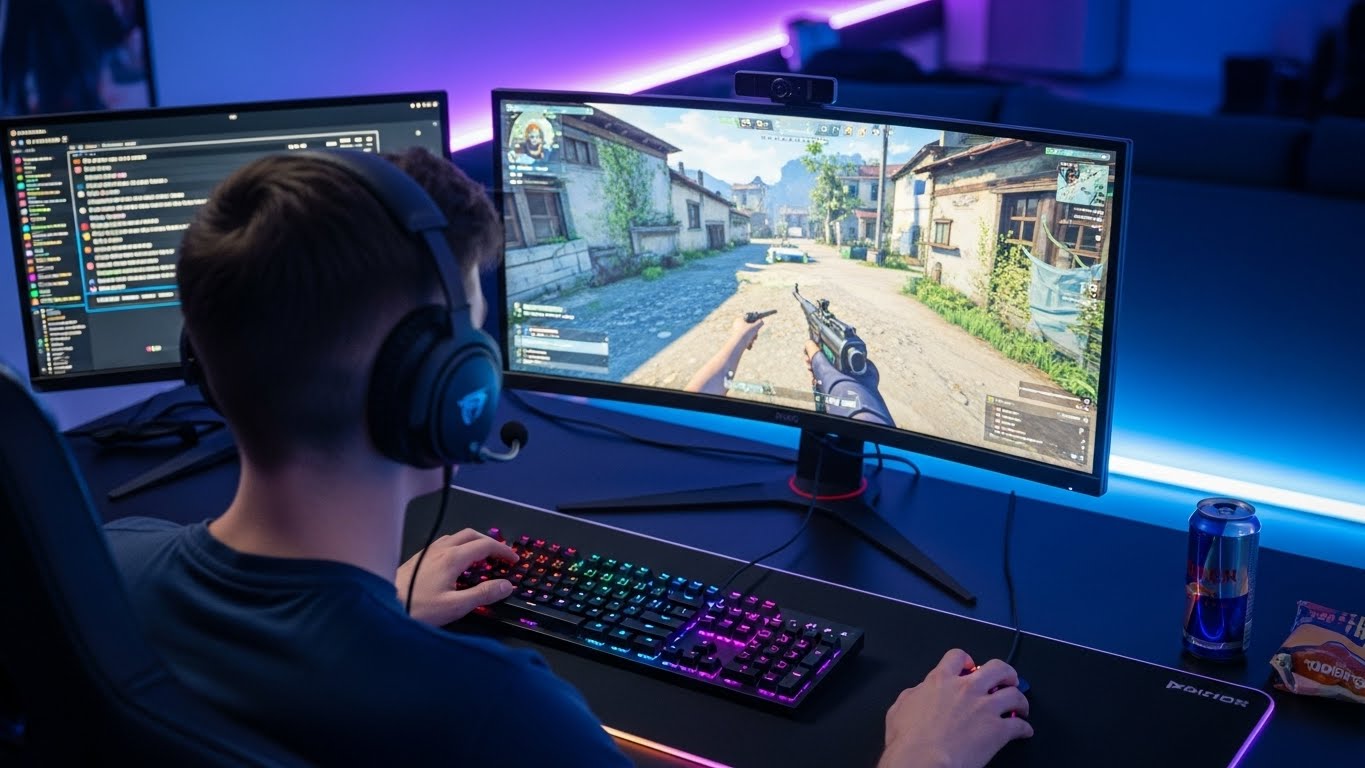
The turn of the 21st century brought with it another monumental shift in the world of gaming: the rise of online multiplayer gaming. High-speed internet made it possible for players to connect with one another in real time, breaking down the barriers of location and enabling global gaming communities. Games like World of Warcraft, Diablo II, and Counter-Strike brought people together in vast, shared digital worlds where they could interact, compete, and collaborate.
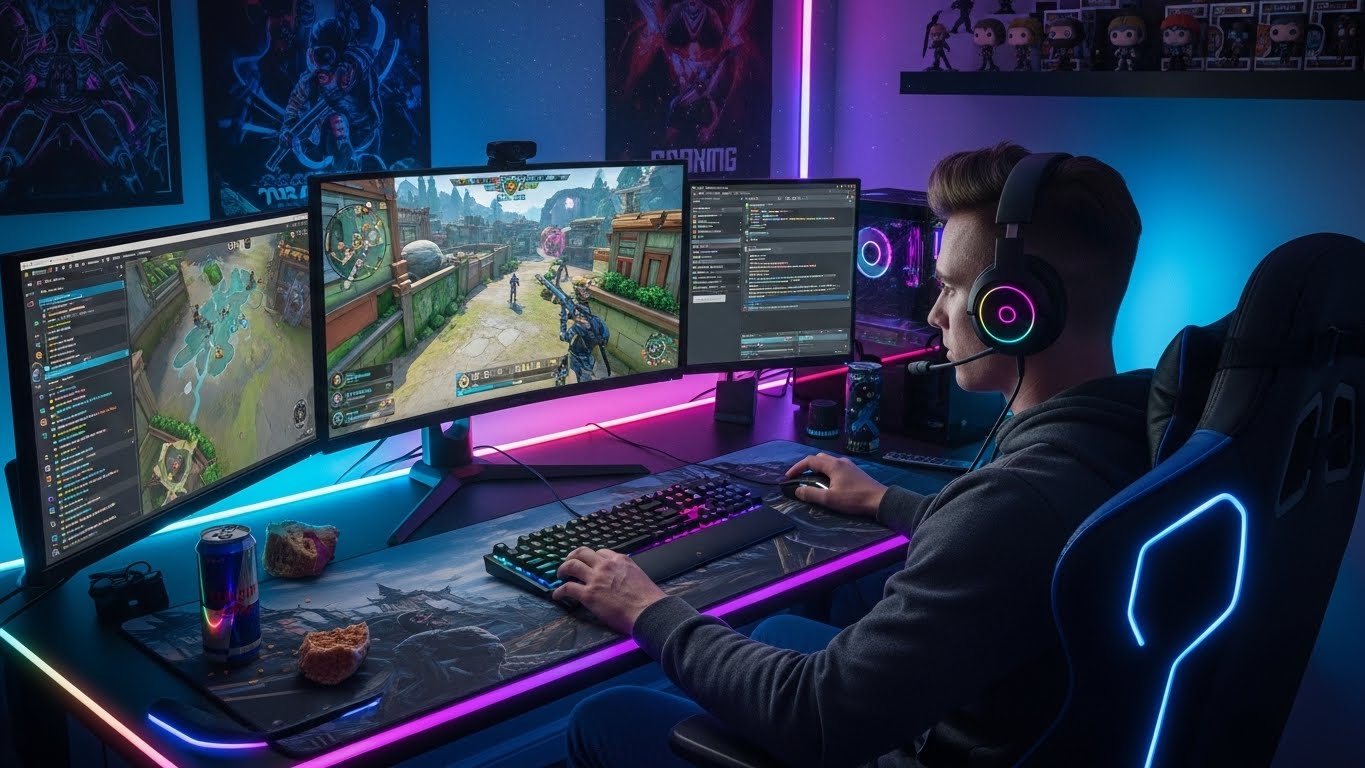
The introduction of online gaming created new opportunities for social interaction. Players could now team up with friends from around the world, communicate via voice chat, and participate in collaborative gameplay. The sense of community and shared experience that came with online gaming became an integral part of the gaming culture. Competitive multiplayer games, particularly in the genre of first-person shooters (FPS) and real-time strategy (RTS), introduced esports—a rapidly growing industry where professional gamers compete for massive prizes and viewership.
Esports has transformed gaming from a casual hobby into a professional career. Competitive gaming tournaments, such as the League of Legends World Championship and The International (Dota 2), draw millions of viewers globally, and top players now have sponsorships and endorsements similar to athletes in traditional sports. The rise of streaming platforms like Twitch has further cemented gaming as a spectator sport, allowing fans to watch their favorite gamers in real-time and engage with the community.
Mobile Gaming: Play on the Go
As smartphones became ubiquitous, mobile gaming quickly became one of the most accessible and widely played forms of entertainment. Games like Angry Birds, Candy Crush, and Clash of Clans reached millions of players across the globe, offering quick and easy gameplay on the go. Mobile gaming’s accessibility, coupled with its free-to-play business model and in-app purchases, has made it an integral part of modern life. These games are designed for short bursts of play, making them perfect for people on the move, waiting in line, or taking a break at work.
The success of mobile gaming has expanded the definition of who a “gamer” is. Where once gaming was associated with dedicated enthusiasts or console owners, mobile gaming has democratized the experience, reaching a much broader audience. Today, virtually anyone with a smartphone has access to a wealth of games, from casual puzzle games to more complex strategy titles. The simplicity and low cost of mobile gaming have made it an accessible form of entertainment for people of all ages and backgrounds.
The Future of Gaming: Virtual Reality and Beyond
Looking to the future, the potential for gaming is more exciting than ever. Technologies like virtual reality (VR) and augmented reality (AR) are poised to take gaming to entirely new levels. VR gaming, in particular, has already made waves with games like Half-Life: Alyx and Beat Saber, which immerse players in 3D environments where they can interact with the virtual world as if they were actually there. VR has the potential to offer experiences that are far more immersive than traditional gaming, where players can move and interact with their surroundings using motion-sensing controllers.
AR games, such as Pokémon Go, offer a different kind of immersion by blending the digital world with the real world. Players use their smartphones to locate and capture virtual creatures, for example, in their physical surroundings. As both VR and AR technologies continue to develop, the lines between the real and the virtual will become increasingly blurred, offering new opportunities for gaming experiences that are more interactive and engaging.
Moreover, the integration of artificial intelligence (AI) into games promises to create more dynamic, adaptive worlds. AI-driven characters and environments could respond to player actions in real time, providing a highly personalized gaming experience. AI also has the potential to create procedurally generated worlds, ensuring that no two playthroughs are ever the same. This could lead to infinite possibilities for exploration and adventure, where players can experience entirely unique narratives and challenges each time they play.
Gaming as a Cultural Phenomenon
Gaming is no longer a niche activity for a select group of enthusiasts. It has evolved into a mainstream form of entertainment that resonates with people of all ages and backgrounds. Gaming has become an important part of modern culture, influencing everything from film and television to fashion and music. Franchises like Fortnite, Minecraft, and Grand Theft Auto have become cultural icons, with their characters, stories, and themes shaping pop culture.
The influence of gaming is also evident in other areas of life. Many aspects of gaming—such as problem-solving, strategic thinking, and teamwork—are increasingly being incorporated into education and professional settings. Schools and universities have recognized the value of games in developing critical thinking skills, creativity, and collaboration, leading to the rise of educational games and gamified learning platforms.