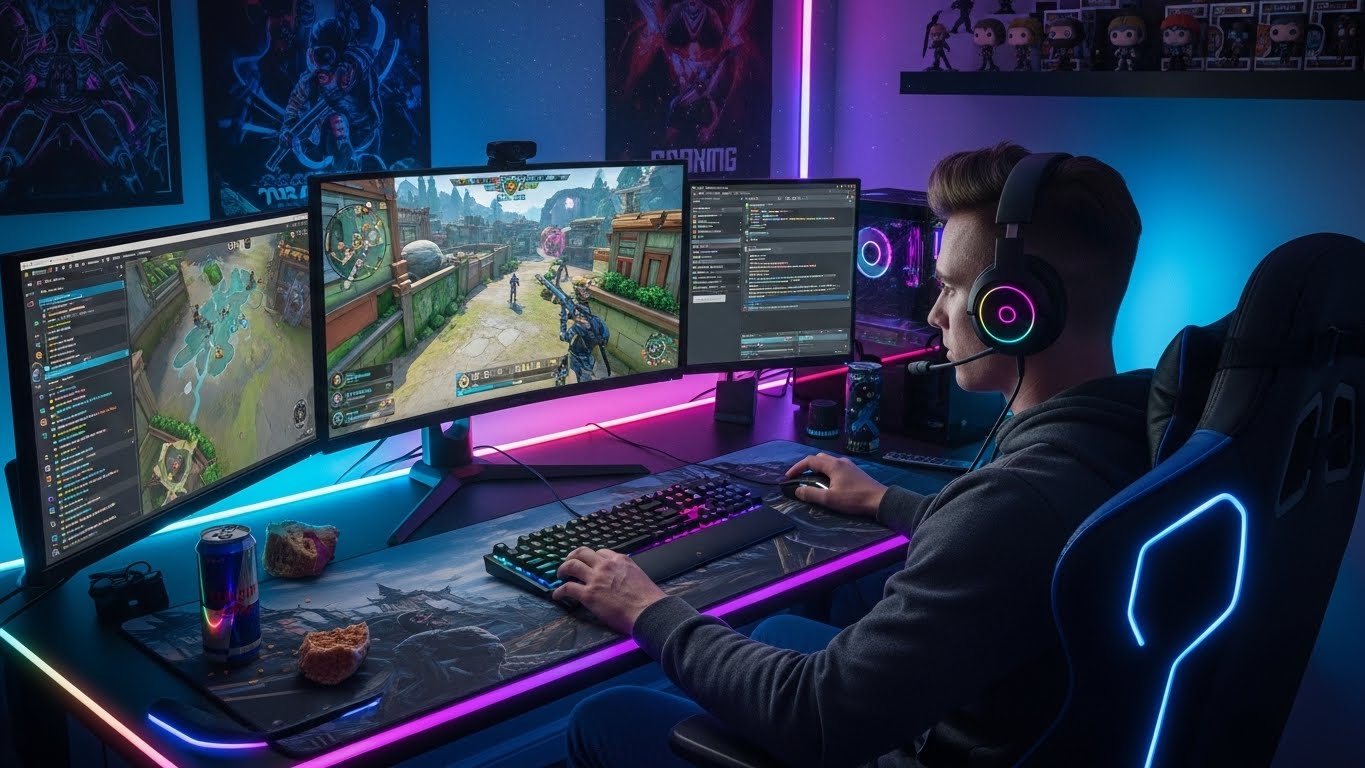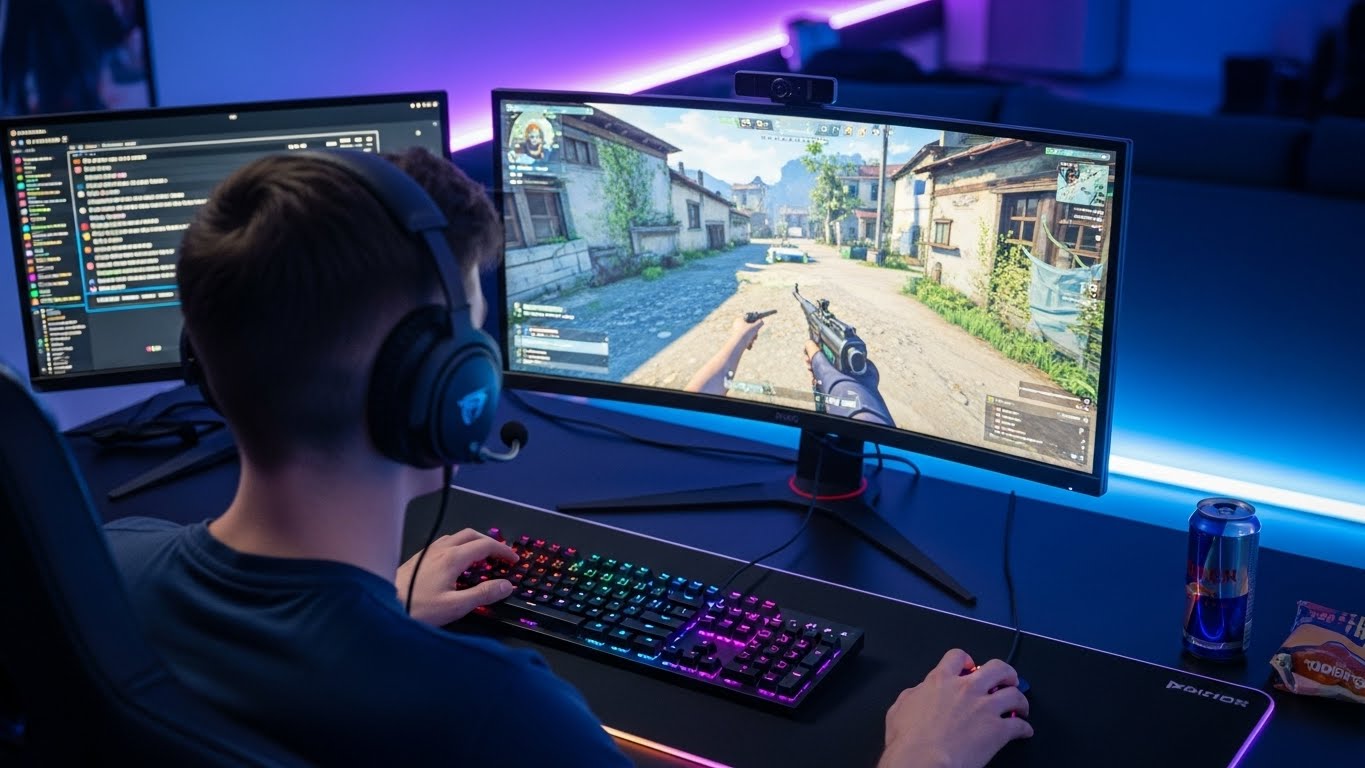
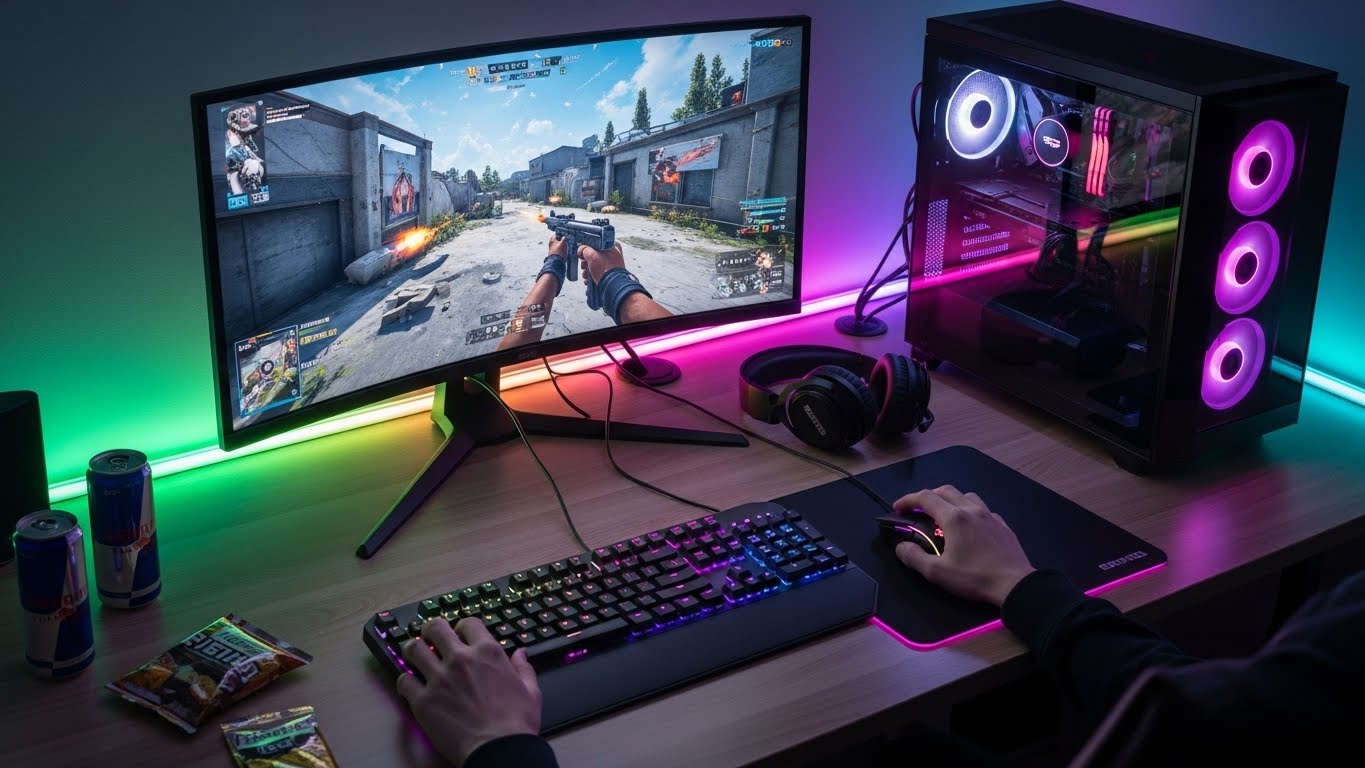
Gaming has evolved from a simple pastime into a global phenomenon that influences culture, technology, and social interaction. From humble beginnings with pixelated screens and simple mechanics, modern gaming has grown into a multifaceted industry encompassing consoles, PCs, mobile devices, virtual reality, and cloud-based platforms. Today, gaming is more than entertainment—it is a form of social connection, artistic expression, and even professional competition. This article explores the history, technological advancements, cultural impact, and future of gaming in the modern era.
The Origins of Gaming
The history of gaming can be traced back to the 1970s with the rise of arcade games and early consoles. Titles like Pong and Space Invaders captured the imagination of players around the world, laying the groundwork for a new form of entertainment. These early games were simple in design, but they introduced core mechanics such as competition, scoring, and progression, which remain central to gaming today.
In the 1980s and 1990s, home consoles and personal computers brought gaming into households, allowing players to enjoy interactive experiences without leaving their homes. Iconic franchises such as Super Mario, The Legend of Zelda, and Pac-Man became cultural symbols, inspiring generations of gamers and influencing other forms of media.
Technological Advancements Driving Gaming
One of the primary factors behind the growth of gaming is technological innovation. Modern gaming leverages high-performance graphics, powerful processors, and advanced physics engines to create immersive, realistic worlds. Games now feature detailed textures, dynamic lighting, and lifelike animations that were unimaginable in earlier decades.
The rise of online connectivity has also transformed gaming. Multiplayer experiences allow players from across the globe to compete, cooperate, and communicate in real time. Cloud gaming platforms enable users to play resource-intensive games on devices that would otherwise be unable to run them, eliminating hardware limitations and making gaming more accessible than ever.
The Evolution of Game Genres
Gaming has diversified into numerous genres, each offering unique experiences and appealing to different audiences. Action and adventure games focus on exploration and combat, requiring quick reflexes and strategic thinking. Role-playing games immerse players in vast, narrative-driven worlds where choices and character development matter.
Simulation and strategy games appeal to those who enjoy planning, management, and problem-solving, while sports and racing games offer realistic representations of physical activities. The rise of sandbox games, where players create and shape their environments, highlights the growing importance of creativity and player agency in modern gaming.
Mobile Gaming and Accessibility
Mobile gaming has dramatically expanded the gaming audience by offering easily accessible experiences on smartphones and tablets. Casual games like puzzle challenges, rhythm-based titles, and short-session games have attracted a wide demographic, including players who may not traditionally identify as gamers.
Mobile technology has also enabled social gaming experiences, where players can compete with friends, share achievements, and participate in global leaderboards. The convenience of playing anywhere and anytime has made mobile gaming a dominant force in the industry, with millions of users engaging daily.
The Cultural Impact of Gaming
Gaming is no longer a niche hobby; it has become a significant cultural phenomenon. Games influence fashion, music, art, and storytelling, while communities of players contribute to a vibrant online culture. Esports, or competitive gaming, has emerged as a professional field where players compete in tournaments with substantial prize pools, attracting global audiences and media coverage.
Moreover, games have become a platform for storytelling and social commentary. Titles exploring complex themes such as morality, identity, and societal issues demonstrate that gaming is a powerful medium for artistic expression and cultural reflection.
The Social Dimension of Gaming
Modern gaming is deeply social. Online multiplayer platforms, social features, and live streaming allow players to connect with friends and strangers, creating communities that span the globe. Platforms such as streaming services and video-sharing sites have turned gaming into a spectator activity, where viewers engage with players and participate in shared experiences.
Virtual spaces in games allow players to collaborate, compete, and even socialize outside the constraints of physical reality. Gaming communities provide support, friendship, and identity, particularly for those who may struggle to find such connections offline. The social dimension of gaming enhances its appeal and reinforces its role as a cultural cornerstone.
Gamification and Educational Potential
Beyond entertainment, gaming principles have been applied to education, training, and personal development. Gamification—using game mechanics in non-gaming contexts—can enhance learning, motivation, and engagement. Educational games make complex concepts more accessible, while simulation-based games offer realistic training environments for professions such as medicine, aviation, and engineering.
The interactive nature of games encourages problem-solving, critical thinking, and creativity. Players learn from failure, experiment with strategies, and receive immediate feedback, fostering cognitive development and adaptive skills that extend beyond the gaming world.
The Economics of Gaming
Gaming is a billion-dollar industry that drives technological innovation and economic growth. Major gaming companies develop and publish blockbuster titles, while indie developers contribute unique, innovative experiences. Digital distribution platforms have revolutionized how games are sold and accessed, reducing physical constraints and allowing smaller developers to reach global audiences.
In addition to game sales, revenue comes from microtransactions, downloadable content, subscriptions, and in-game purchases. Mobile and free-to-play models have created sustainable income streams, ensuring continuous development and content updates. Gaming also supports a vast ecosystem of hardware manufacturers, software developers, content creators, and esports professionals.
Challenges in Modern Gaming
Despite its growth and popularity, the gaming industry faces several challenges. Cybersecurity threats, including hacking and data breaches, pose risks to both players and developers. Gaming addiction and unhealthy patterns of play remain concerns, prompting discussions about responsible gaming practices and mental health awareness.
Furthermore, inclusivity and representation in gaming continue to be areas needing improvement. While strides have been made in gender, racial, and cultural representation, there is ongoing work to ensure diverse stories, characters, and experiences are reflected in games. Addressing these challenges is critical for the sustainable and ethical growth of the industry.
Emerging Technologies and the Future of Gaming
The future of gaming is closely tied to emerging technologies. Virtual reality and augmented reality offer immersive experiences that blend digital and physical worlds. Players can explore environments, interact with objects, and participate in experiences that feel tangible and lifelike.
Artificial intelligence is also shaping gaming by creating intelligent NPCs, dynamic storylines, and personalized challenges. Blockchain technology and digital assets, such as non-fungible tokens, are introducing new ways to own, trade, and monetize in-game content. These advancements promise to redefine how games are developed, played, and experienced.
Gaming as a Global Phenomenon
Gaming has become a universal language that transcends geographical and cultural boundaries. International tournaments, online communities, and collaborative projects demonstrate how gaming connects people from diverse backgrounds. The shared experiences of playing, creating, and competing contribute to a global culture where creativity, skill, and passion are celebrated.
The international nature of gaming also drives innovation, as developers learn from global trends, player preferences, and technological advancements. The cultural exchange within gaming communities fosters understanding, collaboration, and creativity on a worldwide scale.
Conclusion
Gaming in the modern era is far more than a form of entertainment. It is a dynamic and evolving medium that shapes culture, technology, and social interaction. From the simple arcade games of the past to the immersive, multi-platform experiences of today, gaming has continually pushed boundaries and redefined what it means to play.
The social, educational, and economic impacts of gaming underscore its importance as a cultural phenomenon. While challenges remain, including cybersecurity, addiction, and representation, the industry’s growth, technological innovation, and global reach highlight its potential for continued influence and transformation.
As gaming continues to evolve, it will remain an integral part of modern life, offering experiences that entertain, connect, and inspire people around the world. For players, developers, and enthusiasts alike, the future of gaming promises endless possibilities, creativity, and shared adventure.