
Introduction: The Unstoppable Rise of Gaming
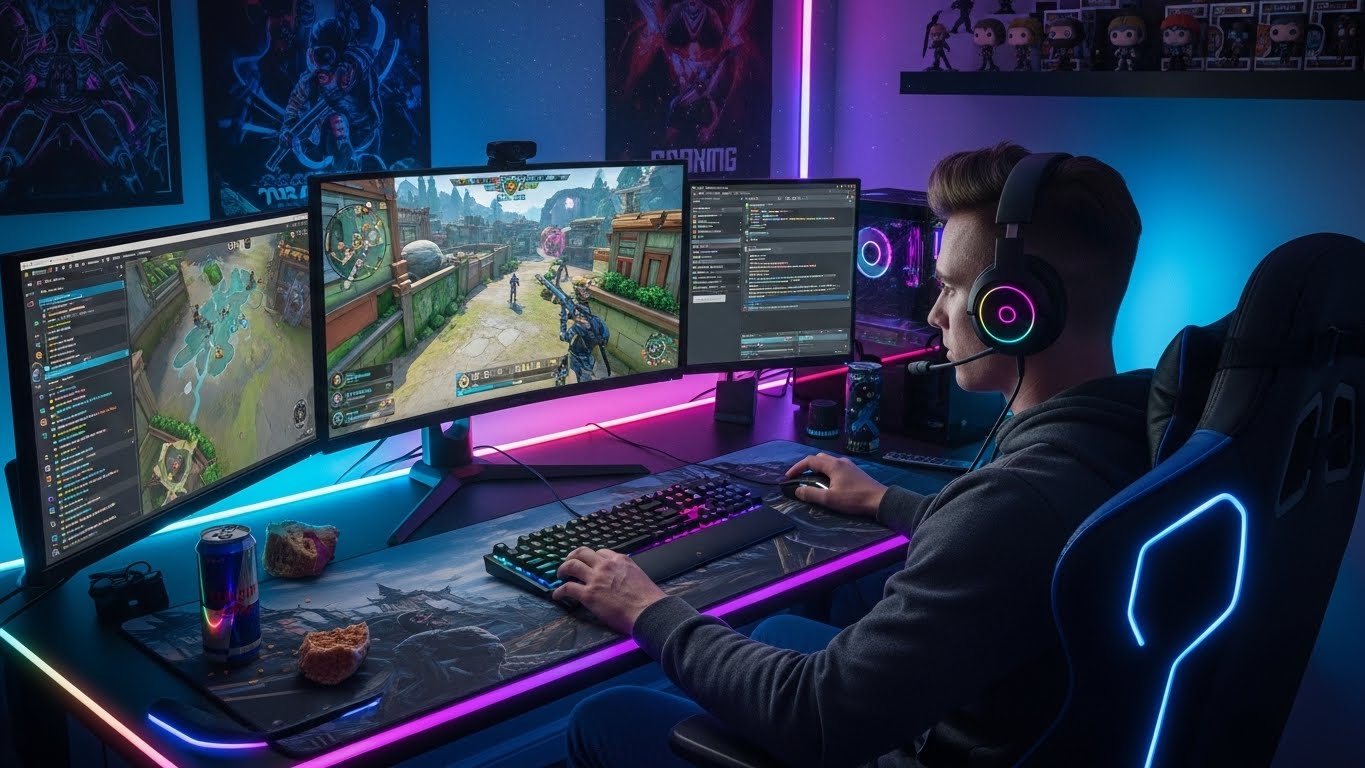
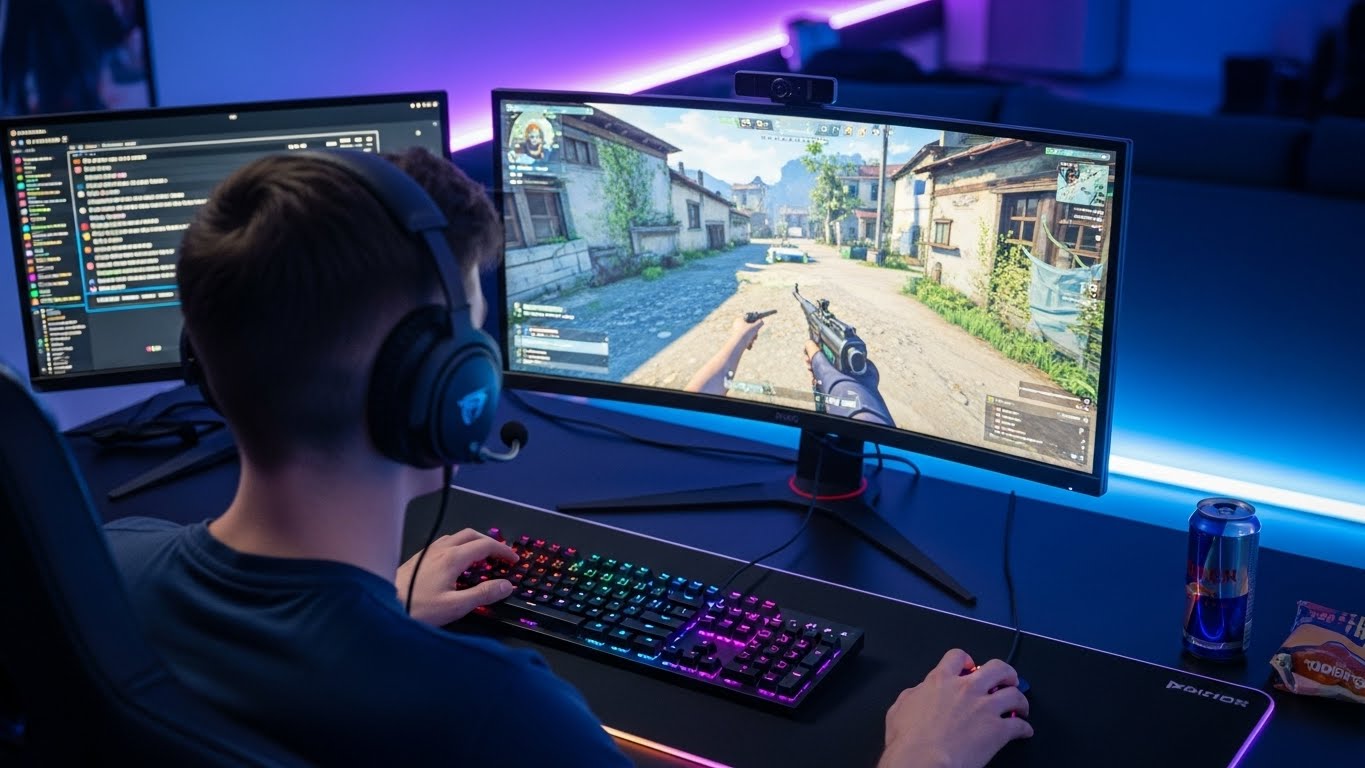
Once considered a niche activity reserved for a specific demographic, gaming has skyrocketed into a global cultural force, transforming the entertainment industry and daily life in ways unimaginable just a few decades ago. From humble beginnings in arcades and home consoles, video games have evolved into immersive digital universes that transcend traditional media. Today, gaming is an integral part of modern culture, enjoyed by millions of players worldwide, across every continent and age group. In this blog, we will explore the journey of gaming—from its origins to its current dominance in pop culture—and examine how it has shaped everything from social interactions to the economy, as well as what the future holds for the gaming industry.
The Birth of Video Games: A Humble Beginning
To understand the true impact of gaming on modern society, it’s important to look back at its humble beginnings. The first video games, such as Pong in 1972, were simple affairs. These early games relied on basic graphics and gameplay mechanics, but they were addictive and revolutionary in their own right. Pong, for instance, was an arcade game that simulated table tennis and became an instant success, sparking interest in what would eventually become the video game industry.
In the early days, games were typically confined to arcades. The growing popularity of arcade machines like Space Invaders and Pac-Man in the late 1970s and early 1980s showed that there was a huge demand for video games. This shift from board games and outdoor sports to video games marked the beginning of the first major change in the entertainment landscape. Gaming was no longer a small hobby—it was quickly becoming a mainstream activity.
The first home consoles, like the Atari 2600, brought the experience of video games into living rooms. This marked the beginning of a revolution in how people would consume entertainment. Home gaming allowed players to enjoy their favorite games without having to leave the house, and it set the stage for the next stage of gaming history.
The Golden Age of Console Gaming
By the mid-1980s, the gaming industry had exploded in popularity, with the rise of iconic characters and games that would go on to shape the future of gaming. One of the most influential consoles of this time was the Nintendo Entertainment System (NES), released in 1985. The NES brought games like Super Mario Bros., The Legend of Zelda, and Metroid into the homes of millions. The success of Nintendo helped to legitimize video games as a mainstream form of entertainment, rather than just a passing trend.
During this period, arcade games were still hugely popular, but home consoles became more powerful, allowing for more complex and visually impressive titles. The launch of the Sega Genesis in 1988 further intensified the competition between companies, pushing the boundaries of what gaming consoles could do. At the same time, titles like Sonic the Hedgehog and Street Fighter II helped solidify gaming as a culturally significant phenomenon.
By the early 1990s, the advent of 16-bit and 32-bit technology introduced a new era of gaming, marked by the arrival of the Sony PlayStation and Nintendo 64. These consoles allowed for more advanced 3D graphics, taking games to new levels of realism. Titles like Super Mario 64, Final Fantasy VII, and GoldenEye 007 not only revolutionized gameplay but also demonstrated how video games could tell immersive stories, further establishing the medium as a legitimate art form.
The Rise of Online Gaming
The late 1990s and early 2000s saw a fundamental shift in gaming, largely due to the rise of the internet and the growing demand for multiplayer experiences. Games like EverQuest and Diablo II introduced players to the concept of online gaming, where they could compete or collaborate with others in real time. However, it was the release of World of Warcraft in 2004 that truly revolutionized online gaming. World of Warcraft created an expansive, persistent online world where millions of players could interact with each other in a massively multiplayer setting. The game’s success laid the groundwork for the future of online multiplayer experiences.
Consoles like the Xbox 360 and PlayStation 3 also pushed online gaming forward with built-in online services, allowing players to connect to a vast network of games and friends. The rise of Xbox Live and PlayStation Network enabled real-time multiplayer experiences on a large scale, allowing players to compete in games like Halo 3, Call of Duty, and Gears of War. This shift marked the beginning of a new era for gaming, where online connectivity became a core feature of most games.
By the end of the 2000s, online gaming was no longer a niche but a global phenomenon. Players around the world could now participate in massive multiplayer battles, create their own content, and share their experiences in ways that were previously unimaginable.
Mobile Gaming: The Game-Changer for Accessibility
The rise of smartphones and tablets in the late 2000s revolutionized gaming once again. Suddenly, millions of people had a portable gaming device in their pockets, allowing them to play games anywhere and anytime. This shift in gaming access was a game-changer, particularly for casual gamers, who could now play simple, yet addictive, games on their phones.
The success of games like Angry Birds, Candy Crush, and Clash of Clans demonstrated that mobile gaming had the potential to reach a broader audience. These games were easy to learn, relatively inexpensive, and often free-to-play, which made them accessible to a wide variety of players. Mobile games created a new market that brought gaming to people who may have never considered themselves gamers before.
The rise of mobile gaming also pushed developers to innovate in new ways. Many mobile games feature unique mechanics, such as swiping, tapping, or tilting the device, that were made possible by the touchscreen capabilities of smartphones. Mobile gaming has grown into one of the largest segments of the gaming industry, accounting for a significant portion of the market’s total revenue.
The Growth of Esports and Streaming
Another key development in gaming has been the rise of esports and streaming platforms. Esports, or competitive video gaming, has grown exponentially over the last decade. Once a niche hobby for a dedicated group of gamers, esports now attracts millions of viewers and offers substantial financial rewards for top players. Games like League of Legends, Dota 2, Fortnite, and Overwatch have transformed gaming into a spectator sport, with tournaments that fill arenas and attract massive online viewership.
The growth of esports has given rise to professional leagues, sponsorships, and even collegiate esports programs. Players in esports tournaments now earn significant salaries, and many have become household names in the gaming community. Major sponsors, including Coca-Cola, Intel, and Nike, now back esports events, further legitimizing them as a significant aspect of popular culture.
Streaming platforms like Twitch and YouTube Gaming have played a major role in popularizing esports. These platforms allow gamers to broadcast their gameplay to a global audience, creating an interactive experience where viewers can watch, comment, and even influence the gameplay. The rise of “streaming celebrities” like Ninja, PewDiePie, and Shroud has turned gaming into a career path for some individuals, further establishing the place of gaming within modern entertainment.
The Future of Gaming: Virtual Reality, Augmented Reality, and Beyond
As technology continues to evolve, the future of gaming looks even more exciting. The next frontier in gaming is virtual reality (VR) and augmented reality (AR). VR allows players to immerse themselves in fully realized digital worlds, providing a level of interaction that traditional gaming cannot match. Headsets like the Oculus Rift and HTC Vive have already given players the ability to explore 3D environments and engage in new forms of interaction within their games.
The potential for VR to revolutionize gaming is enormous. Imagine being able to step into a fully immersive version of The Elder Scrolls V: Skyrim or Half-Life: Alyx, where the world around you feels real and the actions you take are felt physically. VR opens up endless possibilities for game design and user experience, making it one of the most exciting prospects for the future of gaming.
Similarly, augmented reality (AR) takes a different approach by blending the virtual and physical worlds. Pokémon Go, a massively popular mobile game that uses AR technology, brought gaming into the real world in a way no one had anticipated. The success of AR in gaming suggests that there is a bright future for more games that incorporate real-world elements with digital content.
The development of cloud gaming services, such as Google Stadia and Microsoft’s xCloud, also promises to make gaming more accessible. Cloud gaming allows players to stream games directly to their devices without the need for powerful hardware. This technology could eliminate the need for expensive gaming consoles or PCs, further democratizing the gaming experience and bringing high-quality games to people with minimal technical requirements.
Conclusion: Gaming as the Future of Entertainment
The gaming industry has come a long way since the days of simple arcade machines. What began as a pastime for a select few has now become a global cultural phenomenon, with billions of players, fans, and viewers around the world. Gaming is no longer just about playing games—it is about socializing, competing, creating, and experiencing new worlds in ways that were once thought impossible.
As technology continues to advance, the future of gaming holds even more exciting possibilities. From VR and AR to cloud gaming and esports, the evolution of gaming shows no signs of slowing down. Whether you’re a casual mobile gamer or a dedicated esports fan, gaming will continue to play a central role in how we entertain ourselves, connect with others, and shape the future of entertainment.